Understanding the Fundamental Capabilities of a Milling Machine
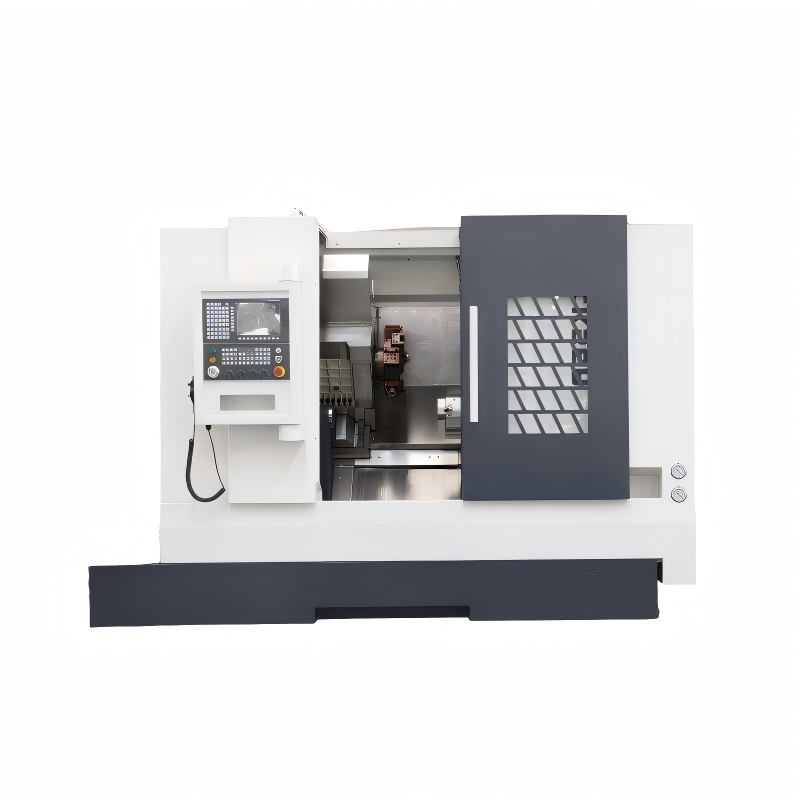
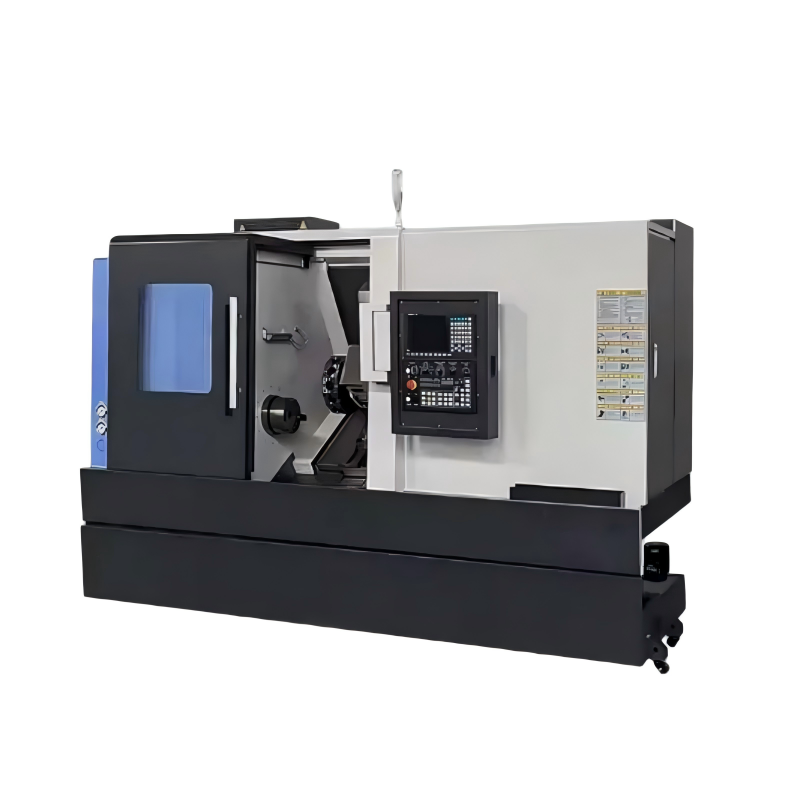
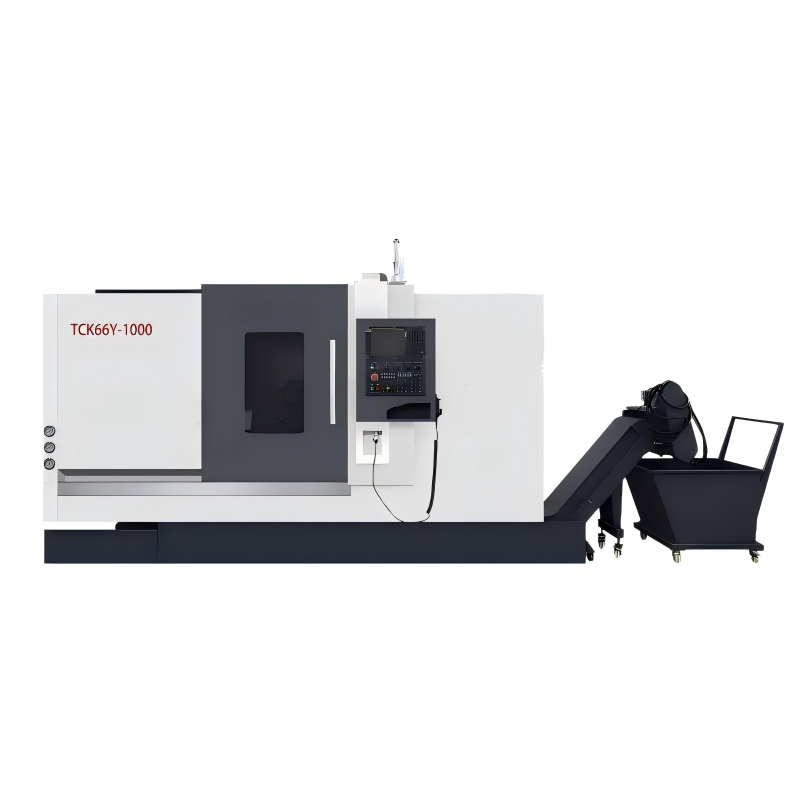
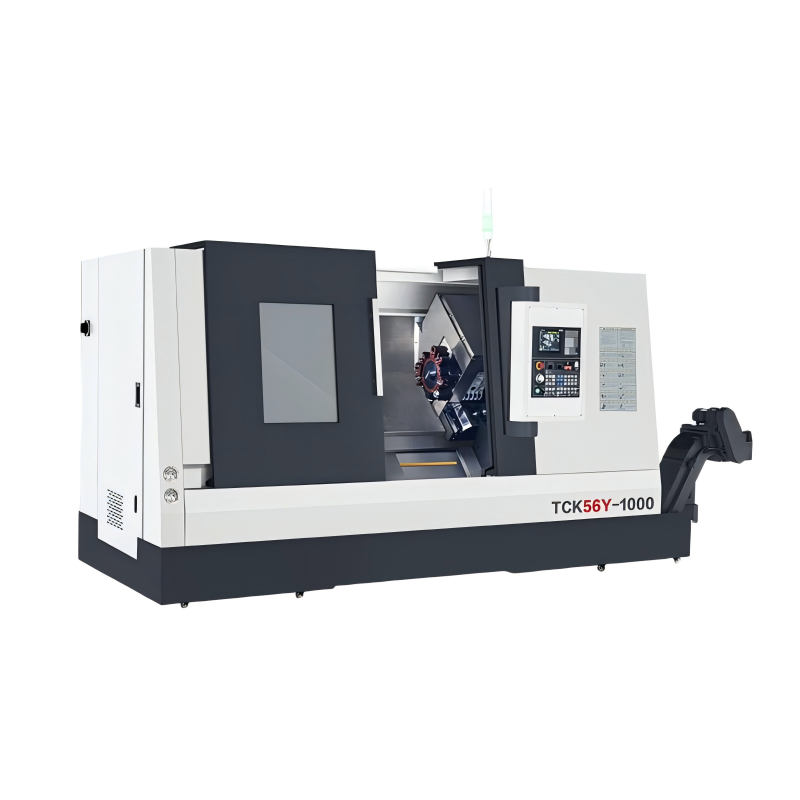
A milling machine, often referred to as a Turning and Milling Machine when equipped with additional functionalities, is an indispensable tool in modern manufacturing. This section explores the foundational aspects that make this equipment so versatile.
The Basics of Milling Operations
Milling machines are primarily used for cutting, shaping, and finishing metal or other rigid materials. The basic operation involves rotating a cutting tool against a stationary workpiece to remove material. This process can be performed in various ways, including face milling, end milling, and angular milling, each suited to different applications.
Components of a Modern Milling Machine
Modern milling machines come equipped with several key components that enhance their functionality. These include the spindle, which holds and rotates the cutting tool; the table, where the workpiece is mounted; and the feed mechanism, which controls the movement of the workpiece relative to the tool. Additionally, many machines feature advanced control systems, such as CNC (Computer Numerical Control), allowing for precise and automated operations.
Material Compatibility and Selection
One of the strengths of a milling machine lies in its ability to work with a wide range of materials. Commonly processed materials include metals like aluminum, steel, and titanium, as well as non-metals such as plastics and composites. The choice of material depends on the specific requirements of the project, such as strength, weight, and cost. Proper selection of both the material and the appropriate cutting tools is crucial for achieving the desired results.
Advanced Applications in Manufacturing
While the basic capabilities of a milling machine are essential, it is the advanced applications that truly showcase its versatility. This section delves into some of the more sophisticated uses of these machines in manufacturing.
CNC Machining and Automation
The integration of CNC technology has revolutionized the milling industry by enabling high-precision and repeatable operations. CNC milling machines use computer programs to control the movement of the cutting tool and the workpiece, resulting in highly accurate and consistent parts. This automation not only increases efficiency but also reduces the likelihood of human error, making it ideal for mass production and complex designs.
Multi-Axis Machining
Traditional milling machines typically operate on three axes: X, Y, and Z. However, multi-axis machining, which includes 4-axis, 5-axis, and even 6-axis machines, allows for more complex and intricate part geometries. These machines can move the cutting tool and the workpiece in multiple directions simultaneously, enabling the creation of parts with features that would be difficult or impossible to produce using conventional methods. Multi-axis machining is particularly valuable in industries such as aerospace, automotive, and medical device manufacturing.
High-Speed Machining (HSM)
High-speed machining (HSM) is another advanced application that leverages the capabilities of modern milling machines. HSM involves operating the machine at very high speeds, typically above 10,000 RPM, to achieve faster material removal rates and improved surface finishes. This technique is especially useful for producing lightweight, high-strength components, as it minimizes thermal damage and reduces the need for secondary finishing processes. HSM is widely used in the production of aircraft parts, mold and die making, and precision engineering.
Future Trends and Innovations in Milling Technology
As technology continues to advance, the field of milling is constantly evolving. This section highlights some of the emerging trends and innovations that are shaping the future of milling machines.
Additive Manufacturing Integration
One of the most exciting developments in milling technology is the integration of additive manufacturing (AM) techniques. Hybrid machines that combine traditional subtractive milling with additive processes, such as 3D printing, offer new possibilities for creating complex and customized parts. This hybrid approach allows for the production of parts with unique geometries and internal structures, reducing waste and improving overall efficiency. Additive manufacturing integration is particularly relevant in the fields of prototyping, tooling, and small-batch production.
Artificial Intelligence and Machine Learning
The application of artificial intelligence (AI) and machine learning (ML) in milling machines is another area of significant innovation. AI and ML can be used to optimize machining parameters, predict tool wear, and detect anomalies in real-time. By analyzing data from sensors and historical performance, these technologies can help improve the accuracy, reliability, and longevity of milling operations. This data-driven approach is expected to lead to more efficient and cost-effective manufacturing processes.
Sustainability and Green Manufacturing
With increasing awareness of environmental issues, sustainability has become a key focus in the manufacturing industry. Milling machines are no exception, and there is a growing trend towards more sustainable practices. This includes the use of energy-efficient motors, recycling of cutting fluids, and the development of eco-friendly materials. Additionally, advancements in machining techniques, such as dry machining and minimum quantity lubrication (MQL), are reducing the environmental impact of milling operations. These sustainable practices not only benefit the environment but also contribute to cost savings and improved operational efficiency.
 04/06/2026



