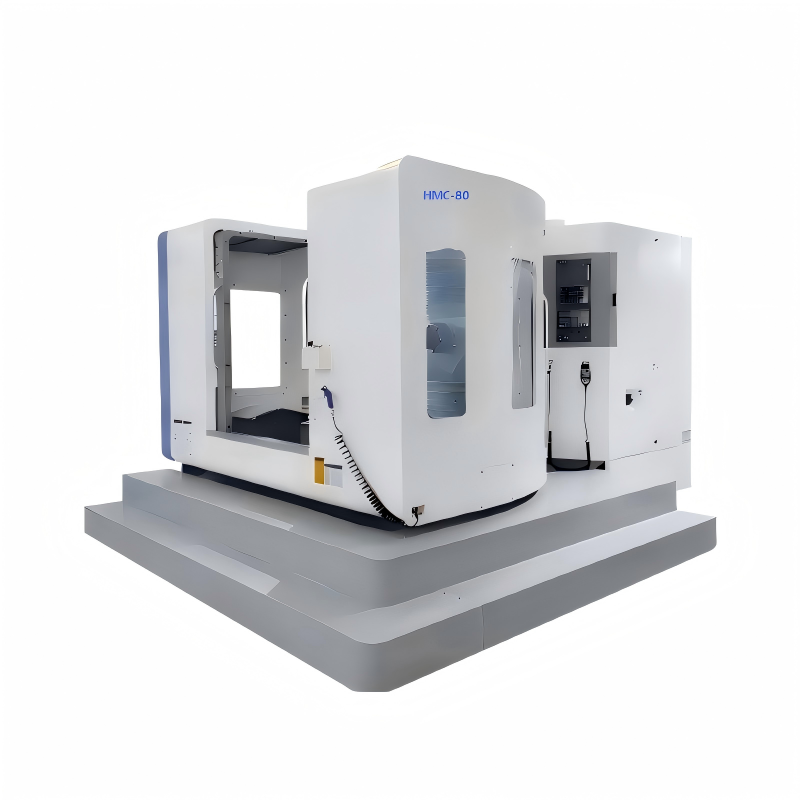
In the ever-evolving landscape of advanced manufacturing, the demand for precision, efficiency, and durability has never been higher. One of the key technologies that have risen to meet these challenges is the high rigidity horizontal Machining Center. These machines are designed to provide unparalleled stability and accuracy, making them indispensable in industries where quality and performance are paramount. This report delves into the significance of high rigidity solutions in advanced manufacturing, highlighting their benefits and applications.
Enhanced Precision through Structural Rigidity
The foundation of any effective machining process is its ability to maintain precise control over the cutting tool. High rigidity Horizontal Machining Centers excel in this aspect by incorporating robust structural designs. The use of high-strength materials, such as cast iron and steel, ensures that the machine remains stable even under heavy loads. Additionally, the integration of advanced damping systems and rigid guideways further minimizes vibrations, resulting in smoother and more accurate cuts. This level of precision is crucial in industries such as aerospace, automotive, and medical device manufacturing, where even the slightest deviation can lead to significant quality issues.
Furthermore, the design of these machining centers often includes features like box-in-box structures and ribbed frames, which enhance overall stiffness. This structural integrity not only improves the machine's resistance to deformation but also extends its lifespan, reducing maintenance costs and downtime. By ensuring consistent and reliable performance, High rigidity horizontal machining centers contribute significantly to the overall efficiency and productivity of a manufacturing facility.
Increased Productivity with Advanced Automation
High rigidity horizontal machining centers are not just about strength; they also offer advanced automation capabilities that boost productivity. Modern machining centers come equipped with sophisticated CNC (Computer Numerical Control) systems, which allow for precise and repeatable operations. These systems can be programmed to handle complex multi-axis movements, enabling the machining of intricate parts with high accuracy. Moreover, the integration of automated tool changers, pallet changers, and part loading systems reduces setup times and increases throughput, making it possible to achieve higher production volumes without compromising on quality.
Another significant advantage of these machining centers is their ability to perform multiple operations in a single setup. This capability, known as "one-and-done" machining, eliminates the need for transferring parts between different machines, thereby reducing handling errors and improving overall efficiency. Additionally, the use of advanced software, such as CAD/CAM (Computer-Aided Design/Computer-Aided Manufacturing), allows for seamless integration of design and manufacturing processes, further streamlining production and reducing lead times.
Flexibility and Versatility in Diverse Applications
One of the standout features of high rigidity horizontal machining centers is their versatility. These machines are capable of handling a wide range of materials, from soft alloys to hard metals, and can be used for various machining operations, including milling, drilling, tapping, and boring. This flexibility makes them ideal for diverse applications across different industries. For example, in the aerospace industry, these machining centers are used to produce complex components such as turbine blades and engine casings, which require high precision and durability. In the automotive sector, they are employed to manufacture critical parts like engine blocks and transmission cases, where dimensional accuracy is crucial.
Moreover, the adaptability of these machines is further enhanced by the availability of various attachments and accessories. These include specialized tools, rotary tables, and multi-pallet systems, which expand the machine's capabilities and enable it to handle more complex and varied tasks. This versatility not only broadens the range of applications but also allows manufacturers to respond quickly to changing market demands, making high rigidity horizontal machining centers a valuable asset in today's dynamic manufacturing environment.
Conclusion
In conclusion, high rigidity horizontal machining centers play a pivotal role in advanced manufacturing by providing enhanced precision, increased productivity, and versatile application capabilities. Their robust design, advanced automation features, and flexibility make them an essential tool for industries that demand the highest standards of quality and performance. As technology continues to advance, the importance of these machining centers will only grow, driving innovation and efficiency in the manufacturing sector.
 17/06/2026



