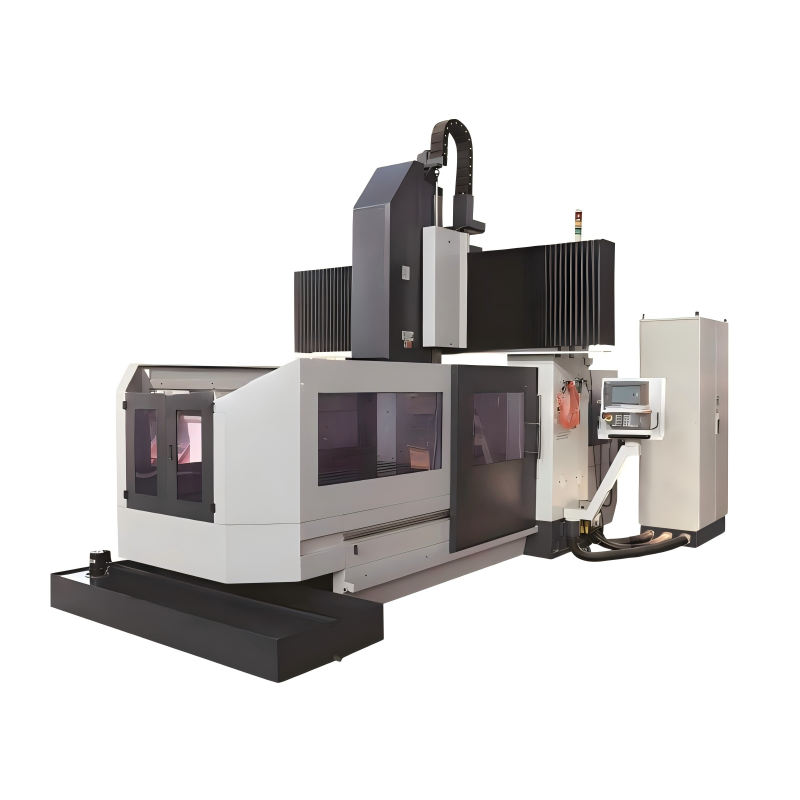
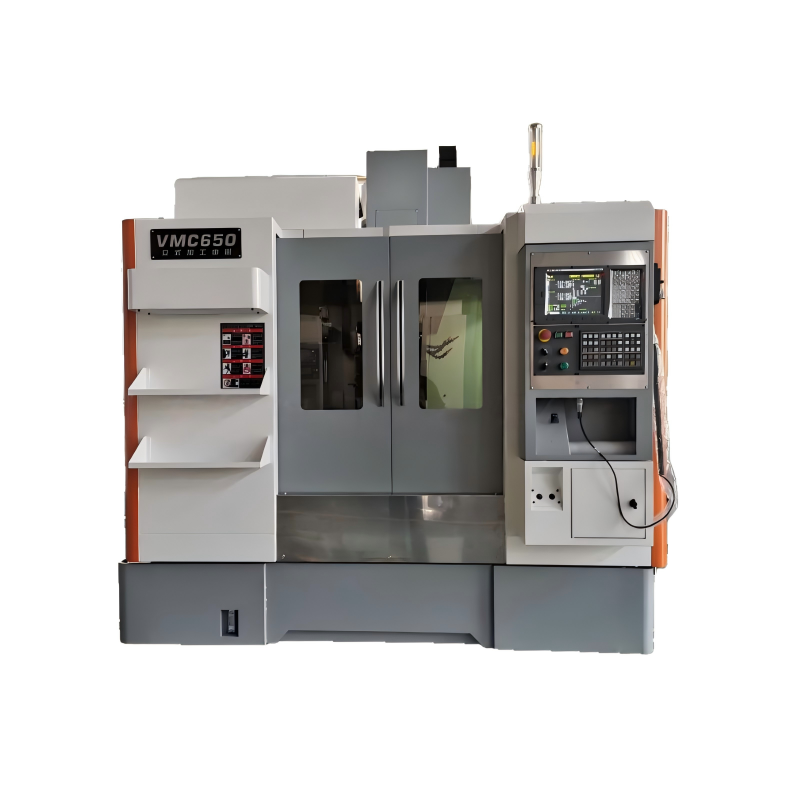
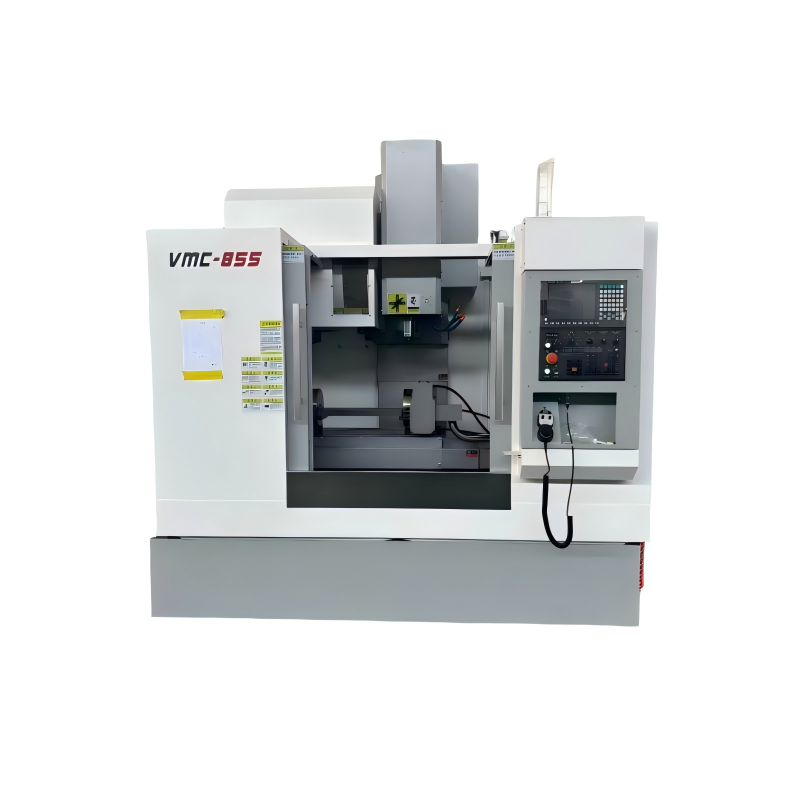
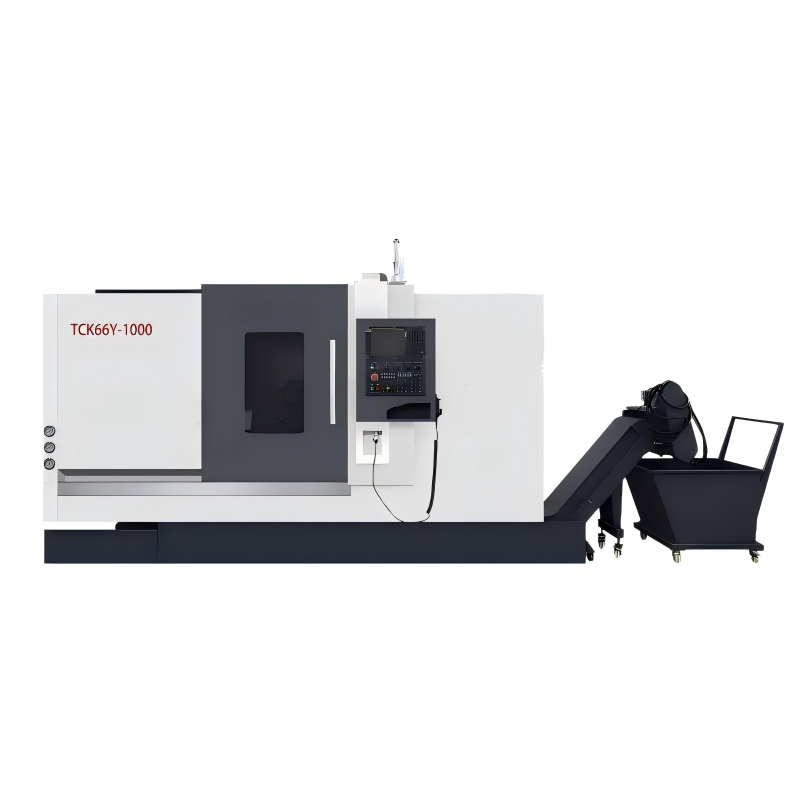
High-precision milling machines have emerged as a transformative force within the automotive industry, driving innovation and efficiency in manufacturing processes. These advanced tools are not only capable of producing components with unparalleled accuracy but also contribute significantly to reducing production costs and improving overall product quality. This report delves into how high-precision milling machine tools are reshaping the automotive sector, focusing on their impact on design flexibility, cost reduction, quality enhancement, and sustainability.
One of the most significant advantages of using high-precision milling machine tools is their ability to manufacture parts with highly complex geometries. Traditional machining methods often struggle to achieve the level of detail required for modern automotive designs. High-precision milling, however, can produce intricate shapes and features that were previously unattainable. This capability allows designers to push the boundaries of what is possible, leading to more innovative and functional vehicle components.
The use of high-precision milling machine tools also contributes to a faster development cycle. By enabling rapid prototyping and iterative design, these machines allow engineers to test and refine their designs more quickly. This accelerated process not only speeds up time-to-market for new vehicles but also helps in identifying and addressing potential issues early in the development phase, ultimately resulting in better products.
High-precision milling machine tools are designed to optimize material usage, thereby minimizing waste. The precision of these machines ensures that each cut is made with maximum efficiency, leaving little to no excess material. This not only reduces the amount of raw materials needed but also lowers the overall cost of production. Additionally, the ability to work with a wide range of materials, including metals and composites, further enhances the cost-effectiveness of these machines.
Automation is a key feature of high-precision milling machine tools, which significantly reduces the need for manual labor. These machines can operate continuously with minimal human intervention, leading to a reduction in labor costs. Moreover, the consistency and accuracy provided by these machines reduce the likelihood of errors, which can be costly to correct. As a result, manufacturers can achieve higher productivity at a lower operational cost.
High-precision milling machine tools are renowned for their ability to produce parts with exceptional consistency and accuracy. The precision of these machines ensures that each component meets the exact specifications, leading to a higher quality end product. This is particularly important in the automotive industry, where even the slightest deviation can affect the performance and safety of a vehicle. The use of these machines helps in maintaining stringent quality standards, ensuring that every part is manufactured to the highest level of precision.
Another benefit of high-precision milling is the superior surface finish it provides. These machines can achieve extremely smooth and uniform surfaces, which is crucial for the performance and durability of automotive components. A high-quality surface finish not only improves the aesthetic appeal of the parts but also enhances their functionality. For example, in engine components, a smoother surface can reduce friction, leading to improved efficiency and longer service life.
High-precision milling machine tools are designed to be energy efficient, which aligns with the growing emphasis on sustainability in the automotive industry. These machines use advanced technologies to minimize power consumption while maintaining high levels of performance. Additionally, the reduced material waste and lower energy requirements contribute to a smaller carbon footprint, making them an environmentally friendly choice for manufacturers.
The use of high-precision milling machine tools also supports the principles of recycling and reuse. The precise nature of these machines allows for the efficient use of materials, reducing the amount of waste generated during the manufacturing process. Furthermore, the high-quality components produced by these machines have a longer lifespan, reducing the need for frequent replacements. This not only saves resources but also minimizes the environmental impact of the automotive manufacturing process.
 08/06/2026
The future of high-precision milling is a topic that has garnered significant attention in the manufacturing and engineering sectors. As industries continue to demand higher levels of accuracy and efficiency, the development of high-precision milling mach
Read More08/06/2026In the realm of manufacturing, high-precision milling machine tools represent a significant investment. This report delves into the cost-effectiveness of such an investment, considering both short-term and long-term perspectives. It evaluates how these ad
Read More07/06/2026High-precision milling machine tools are essential in modern manufacturing, providing unparalleled accuracy and efficiency. However, their performance and longevity depend significantly on proper maintenance. This technical report delves into the critical
Read More06/06/2026In the realm of advanced manufacturing, high-precision milling machine tools play a pivotal role in producing complex parts with unparalleled accuracy and efficiency. This report delves into how these sophisticated machines are transforming industries by
Read More06/06/2026High-precision milling machine tools are essential in modern manufacturing, offering unparalleled accuracy and efficiency. This report delves into the capabilities of these advanced machines, exploring their impact on precision engineering, material versa
Read More05/06/2026In the realm of precision engineering, high-precision milling machine tools play a pivotal role in achieving the exacting standards required for components and products across various industries. These machines are designed to deliver unparalleled accurac
Read More05/06/2026In the realm of modern manufacturing, high-precision milling machine tools play a pivotal role in enhancing both productivity and accuracy. These advanced machines are not just tools; they are integral components that drive the efficiency and quality of p
Read More04/06/2026In the realm of aerospace engineering, where precision and reliability are paramount, high-precision milling machine tools play an indispensable role. These advanced machines offer unparalleled accuracy and consistency, which are crucial for manufacturing
Read More04/06/2026In the rapidly evolving landscape of modern manufacturing, high-precision milling machine tools have become indispensable for achieving superior quality and efficiency. These advanced machines are designed to meet the stringent requirements of industries
Read MoreOur professional sales team is always ready to assist you.