In the world of manufacturing, selecting the right conventional lathe supplier is crucial for ensuring that your production processes run smoothly and efficiently. A conventional lathe is a fundamental tool in many machining operations, and choosing the best supplier can make a significant difference in the quality and reliability of your equipment. This report aims to guide you through the process of evaluating a Conventional Lathe Supplier before making a purchase.
Assessing the Supplier's Reputation and Experience
The first step in evaluating a Conventional Lathe Supplier is to assess their reputation and experience in the industry. A well-established supplier with a proven track record is more likely to provide high-quality lathes and reliable after-sales support. You can start by checking online reviews, testimonials, and case studies from previous customers. Additionally, consider the supplier’s years of operation and their presence in the market. A supplier with a long history and a strong market presence is generally a safer bet.
Furthermore, it is essential to verify if the supplier has any certifications or awards that demonstrate their commitment to quality and excellence. ISO certifications, for example, are a good indicator of a supplier’s adherence to international standards. By thoroughly researching the supplier’s background, you can gain valuable insights into their credibility and reliability.
Evaluating the Quality and Range of Products Offered
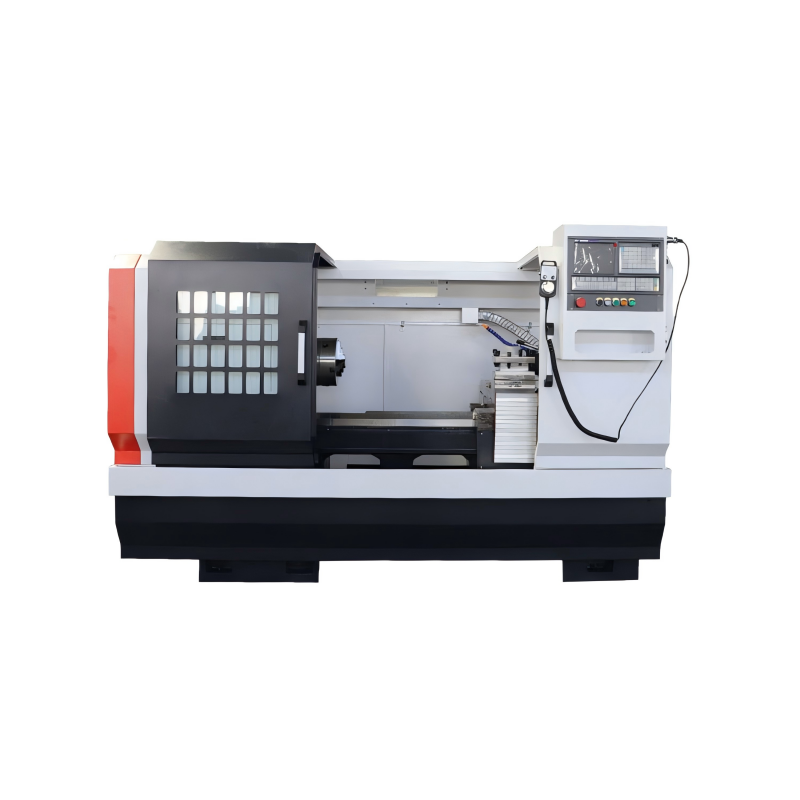
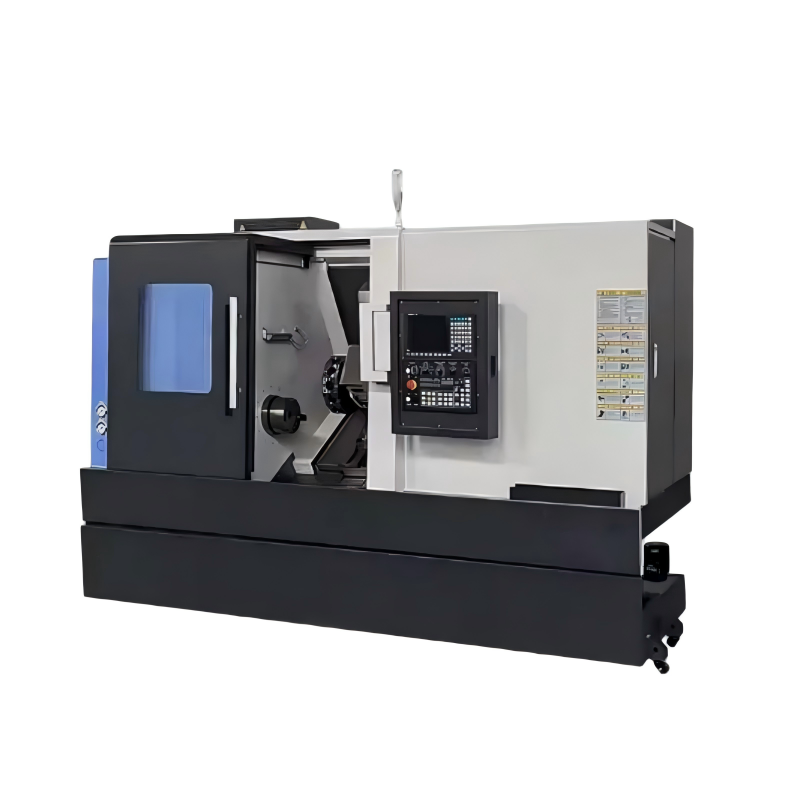
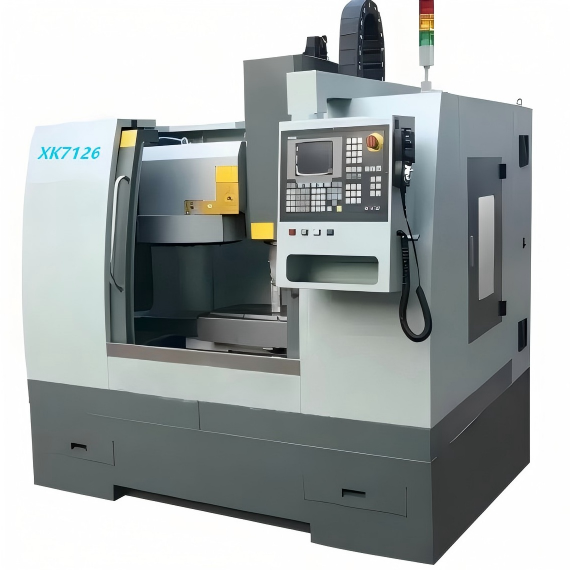
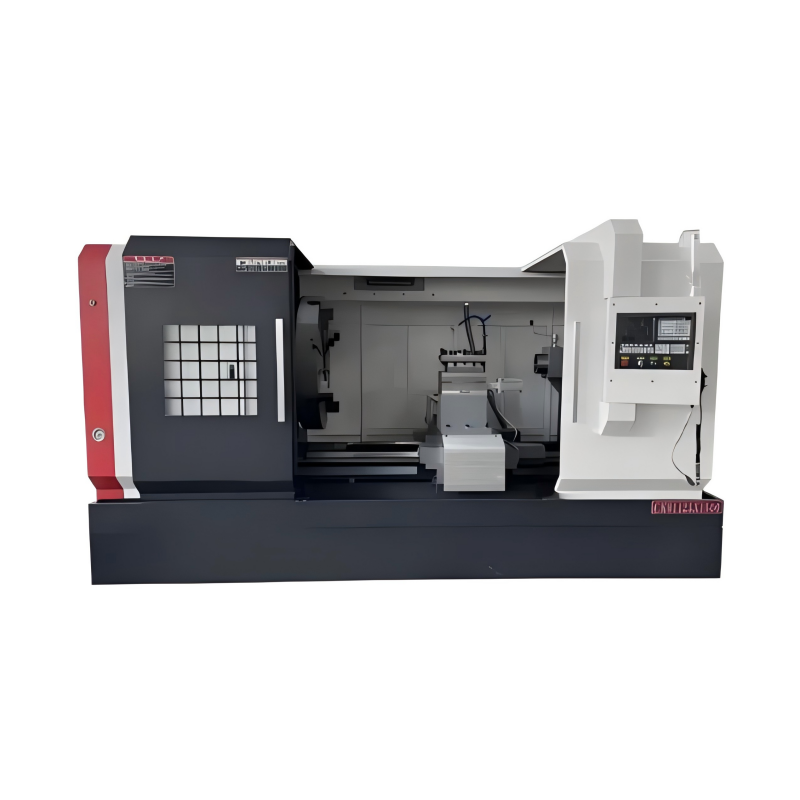
Once you have established the supplier’s reputation, the next step is to evaluate the quality and range of products they offer. A reputable Conventional Lathe Supplier should provide a wide variety of lathes to meet different production needs. This includes both manual and CNC lathes, as well as various sizes and configurations. It is important to ensure that the supplier’s product line aligns with your specific requirements and that they can provide the necessary customization options if needed.
To assess the quality of the lathes, you should request detailed specifications and technical data sheets. These documents should include information on the materials used, precision and accuracy, and any advanced features or technologies incorporated into the machines. Additionally, ask for samples or arrange a visit to the supplier’s facility to see the lathes in action. This will give you a firsthand look at the build quality and performance of the equipment.
Examining the Supplier's After-Sales Support and Service
After-sales support and service are critical factors to consider when evaluating a Conventional Lathe Supplier. Even the most reliable equipment may require maintenance or repairs over time, and having a responsive and efficient support team can make a significant difference in minimizing downtime and maintaining productivity. Inquire about the supplier’s warranty policies, service contracts, and response times for technical support. A good supplier should offer comprehensive training programs for operators and maintenance personnel, as well as regular maintenance and repair services.
Additionally, consider the availability of spare parts and the ease of obtaining them. A supplier with a well-stocked inventory of spare parts and a robust distribution network can ensure that you receive the necessary components quickly, reducing the risk of extended downtime. It is also beneficial to ask about the supplier’s approach to customer feedback and how they handle any issues or complaints. A supplier that actively listens to and addresses customer concerns is more likely to provide a positive and supportive experience.
Considering the Cost and Value Proposition
While cost is an important factor, it should not be the sole criterion for selecting a Conventional Lathe Supplier. Instead, focus on the overall value proposition, which includes the quality of the lathes, the level of support provided, and the long-term benefits of working with the supplier. Compare the pricing of different suppliers, but also consider the total cost of ownership (TCO) over the lifespan of the equipment. This includes the initial purchase price, maintenance costs, and any potential downtime or productivity losses.
Request detailed quotes from multiple suppliers and compare them based on the features, quality, and support offered. Be sure to negotiate terms and conditions, such as payment plans, delivery timelines, and installation services. A supplier that offers flexible and competitive terms can help you manage your budget more effectively and ensure that you get the best possible value for your investment.
Conclusion
Evaluating a Conventional Lathe Supplier is a multifaceted process that requires careful consideration of several key factors. By assessing the supplier’s reputation and experience, evaluating the quality and range of products offered, examining their after-sales support and service, and considering the cost and value proposition, you can make an informed decision that aligns with your business needs. Taking the time to conduct thorough research and due diligence will ultimately lead to a more successful and productive partnership with your chosen supplier.
 25/06/2026



