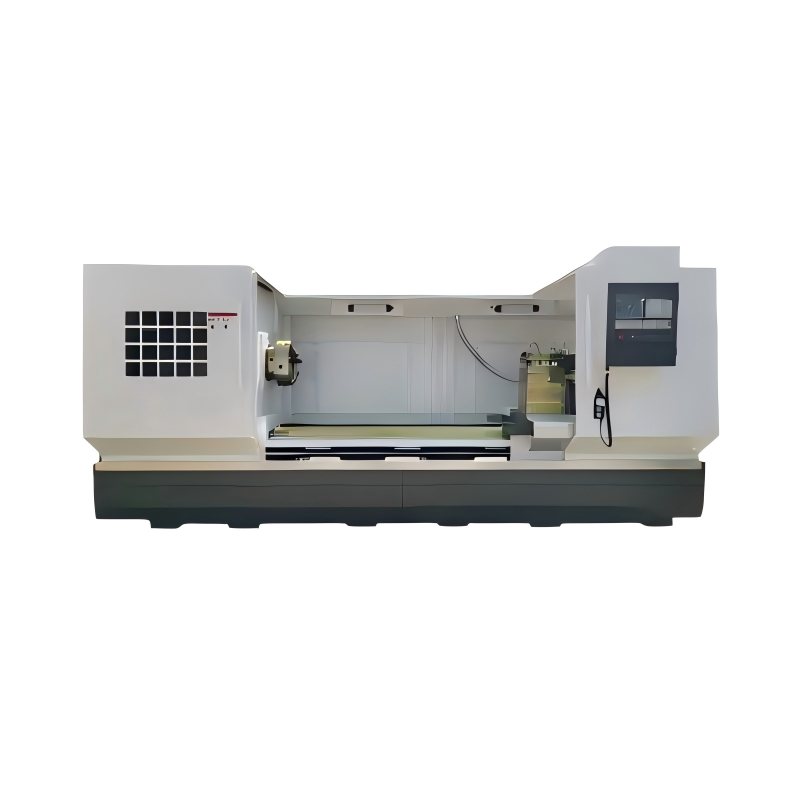
In the realm of manufacturing, the conventional lathe remains a cornerstone tool for shaping and machining metal components. Its versatility and precision make it indispensable across various industries, from automotive to aerospace. However, the role of a Conventional Lathe Supplier goes beyond simply providing machinery; it encompasses a wide range of services that are crucial for the success and efficiency of manufacturing operations.
A Conventional Lathe Supplier is not just a vendor but a strategic partner in the manufacturing process. Their primary function is to provide high-quality lathes that meet the specific needs of their clients. This includes offering a variety of models, from basic to advanced, each designed to handle different materials and tasks. The supplier must also ensure that the machines are reliable and durable, capable of withstanding the rigors of continuous use in a manufacturing environment.
Beyond the hardware, a reputable Conventional Lathe Supplier offers comprehensive support services. These may include installation, training, and maintenance, ensuring that the machines operate at peak performance. Additionally, they often provide spare parts and technical assistance, which can be critical in minimizing downtime and maintaining productivity.
One of the key advantages of working with a Conventional Lathe Supplier is the ability to customize the equipment to fit specific manufacturing requirements. Every production line has unique needs, and a one-size-fits-all approach is rarely effective. A good supplier will work closely with the client to understand their processes, materials, and desired outcomes, and then tailor the lathe to these specifications. This customization can involve adjusting the machine's size, power, and features to optimize its performance for the intended application.
Flexibility is another important aspect. Manufacturing environments are dynamic, and the ability to adapt to changing conditions is essential. A Conventional Lathe Supplier should offer solutions that can be easily modified or upgraded as needed. This might include interchangeable tooling, modular designs, and software updates that enhance the machine's capabilities over time. By providing flexible and customizable options, the supplier ensures that the lathe remains a valuable asset throughout its lifecycle.
Quality control is a critical component of any manufacturing operation, and a Conventional Lathe Supplier plays a vital role in this area. High-quality lathes produce consistent and accurate results, which is essential for meeting stringent industry standards and customer expectations. Suppliers must adhere to rigorous quality assurance protocols, including regular testing and inspection of the machines before delivery. They should also provide detailed documentation and certifications that verify the lathe's compliance with relevant regulations and standards.
Compliance with safety and environmental regulations is equally important. Modern manufacturing facilities are subject to a range of legal and regulatory requirements, and non-compliance can result in significant penalties and reputational damage. A Conventional Lathe Supplier must ensure that their products meet all applicable safety and environmental standards, such as those set by OSHA (Occupational Safety and Health Administration) and ISO (International Organization for Standardization). This includes providing safety features like emergency stop buttons, protective guards, and ergonomic designs that reduce the risk of operator injury.
Customer support is a critical factor in the long-term success of a Conventional Lathe Supplier. Providing excellent after-sales service can help build strong, lasting relationships with clients. This includes offering timely and effective technical support, whether it's troubleshooting issues, providing maintenance, or assisting with upgrades. A responsive and knowledgeable support team can significantly reduce downtime and improve overall operational efficiency.
Training and education are also important aspects of customer support. Many suppliers offer training programs for operators and maintenance personnel, ensuring that they have the skills and knowledge to use and maintain the lathe effectively. This can include on-site training, online resources, and ongoing educational opportunities. By investing in their customers' success, a Conventional Lathe Supplier can foster loyalty and create a positive reputation in the industry.
The role of a Conventional Lathe Supplier in manufacturing is multifaceted and essential. From providing high-quality, customized lathes to offering comprehensive support services, these suppliers play a crucial part in ensuring the success and efficiency of manufacturing operations. By focusing on quality, compliance, and customer support, a Conventional Lathe Supplier can build long-term relationships and contribute to the overall growth and competitiveness of their clients.
 25/06/2026
In the world of manufacturing, selecting the right conventional lathe supplier is crucial for ensuring that your production processes run smoothly and efficiently. A conventional lathe is a fundamental tool in many machining operations, and choosing the b
Read More25/06/2026In the realm of manufacturing, selecting a conventional lathe supplier is a critical decision that can significantly impact production efficiency, product quality, and overall business success. A conventional lathe, being one of the fundamental tools in m
Read More25/06/2026In the realm of manufacturing and machining, conventional lathes remain a cornerstone tool for precision work. As businesses seek to optimize their operations, choosing the right Conventional Lathe Supplier is crucial. This guide provides a detailed analy
Read More24/06/2026In the realm of manufacturing and machining, the choice of a conventional lathe supplier is a decision that can significantly impact the quality, efficiency, and cost-effectiveness of production processes. This report aims to highlight the importance of q
Read More24/06/2026When it comes to selecting a Conventional Lathe Supplier, the decision can significantly impact the efficiency, quality, and cost-effectiveness of your manufacturing processes. A conventional lathe is a versatile machine tool used for shaping metal, wood,
Read More24/06/2026In the world of manufacturing, the selection of a conventional lathe supplier is not just about finding a vendor but also about ensuring that the quality of the machines and the service provided meets or exceeds expectations. This report aims to explore w
Read More24/06/2026In the world of manufacturing, precision and reliability are paramount. One of the key tools that enable this is the conventional lathe, a machine that has been a staple in the industry for decades. Partnering with an experienced Conventional Lathe Suppli
Read More23/06/2026In the world of machining, finding the right conventional lathe supplier is crucial for ensuring that your operations run smoothly and efficiently. A conventional lathe is a fundamental tool in many manufacturing processes, and selecting the appropriate s
Read More23/06/2026Choosing the right conventional lathe supplier is a critical decision for any manufacturing or engineering company. The quality of lathes, as well as the support and service provided by the supplier, can significantly impact your production efficiency and
Read More23/06/2026In the rapidly evolving world of manufacturing, choosing a reliable conventional lathe supplier is more critical than ever. A conventional lathe is a fundamental tool in many industries, from automotive to aerospace, and its quality directly impacts the e
Read More23/06/2026Understanding the Importance of Conventional Lathes in Modern Workshops The conventional lathe, a machine that has been around for centuries, continues to play a vital role in modern workshops. Its ability to perform a wide range of operations, from turni
Read MoreOur professional sales team is always ready to assist you.