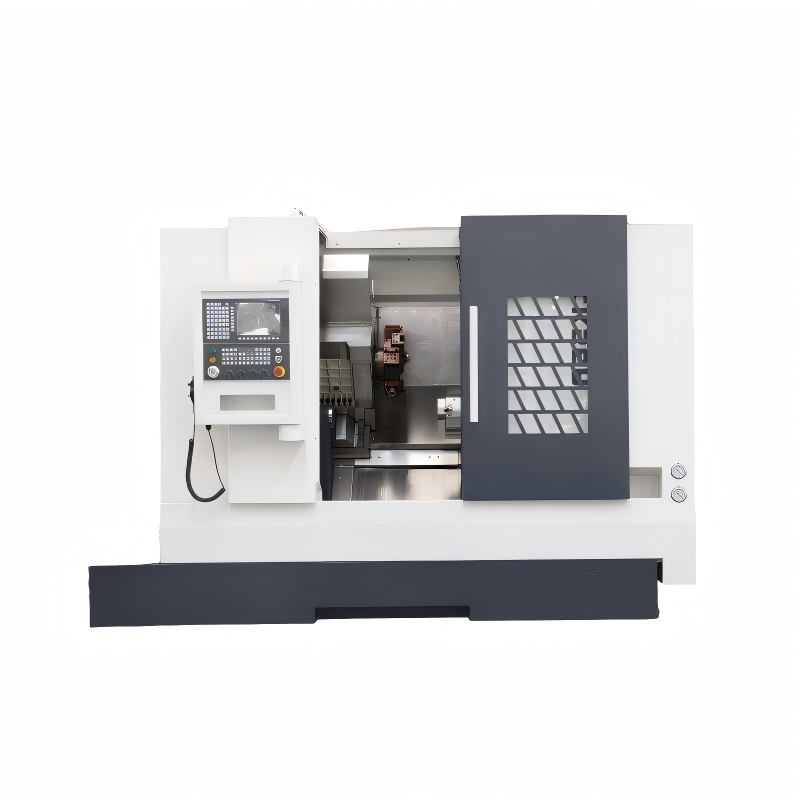
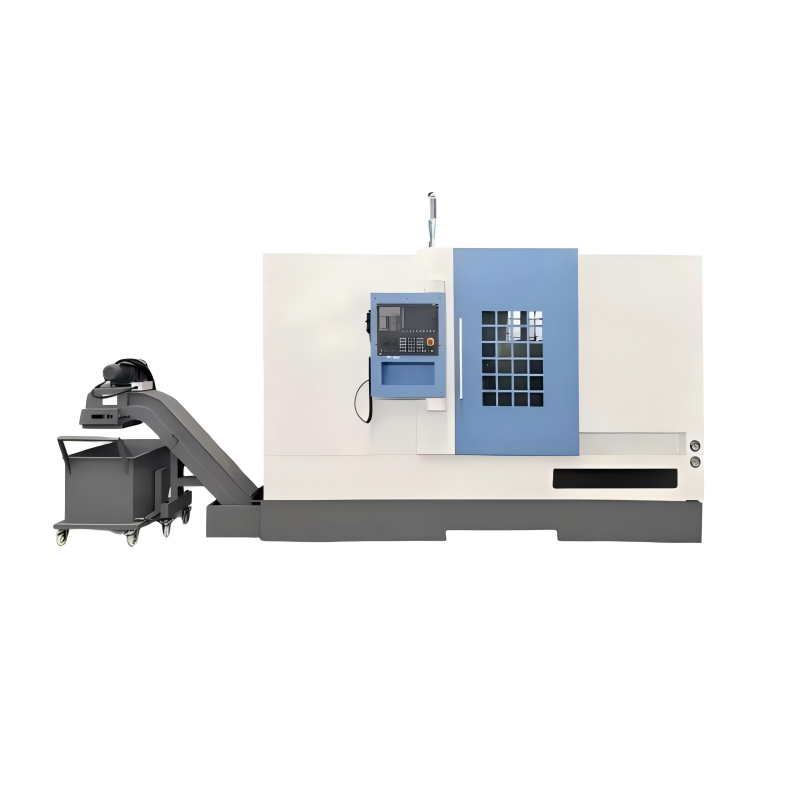
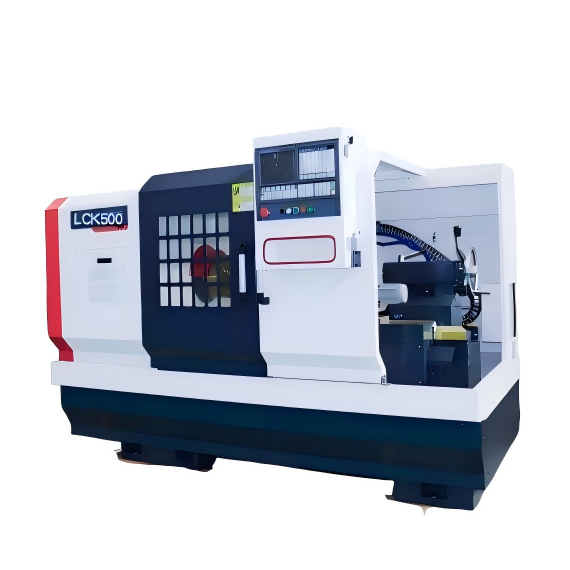
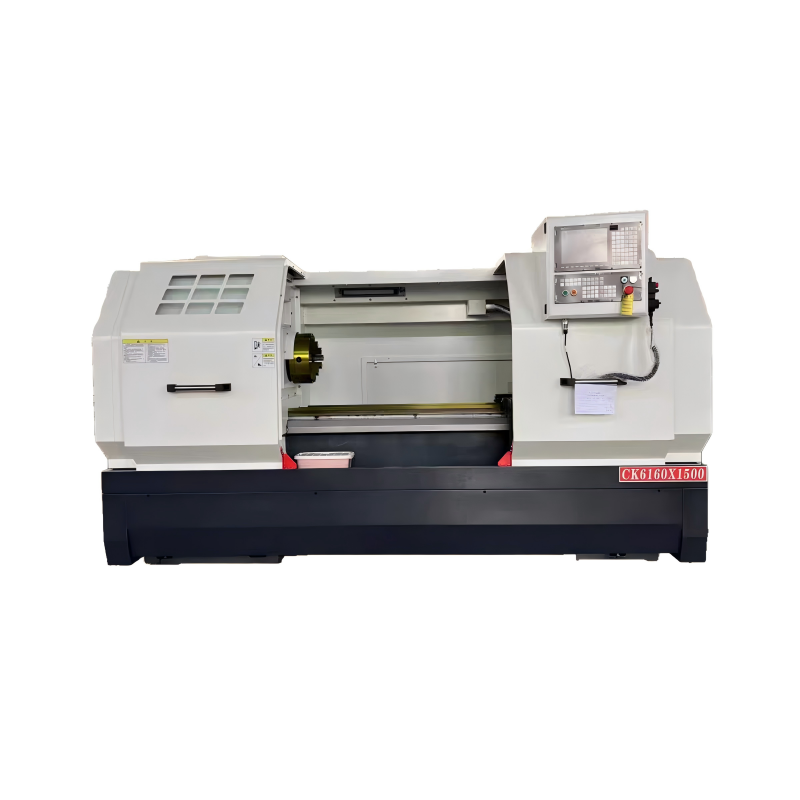
Horizontal heavy duty CNC lathes from China are essential tools in many manufacturing environments, known for their robustness and precision. However, like any sophisticated machinery, they require regular maintenance and optimization to ensure optimal performance and longevity. This report aims to provide a comprehensive guide on how to maintain and optimize your horizontal heavy duty CNC Lathe, focusing on practical strategies and technical insights.
A deep understanding of the components that make up a horizontal heavy duty CNC lathe is crucial for effective maintenance. The primary components include the spindle, tool turret, bed, and control system. Each part plays a vital role in the overall functionality of the machine. For instance, the spindle is responsible for rotating the workpiece, while the tool turret holds various cutting tools necessary for different operations. Regular inspection and servicing of these parts are key to maintaining the lathe's efficiency and accuracy.
Adopting a proactive approach to maintenance can significantly extend the lifespan of your horizontal heavy duty CNC lathe and prevent unexpected downtime. Here are some recommended practices:
By integrating these maintenance practices into a routine schedule, you can help ensure that your horizontal heavy duty CNC lathe operates at its best, providing consistent and reliable results.
Optimization of a horizontal heavy duty CNC lathe involves fine-tuning the machine parameters to match the specific requirements of each job. Key areas to focus on include:
Implementing these optimization strategies not only enhances the performance of your horizontal heavy duty CNC lathe but also contributes to cost savings and improved product quality.
Modern horizontal heavy duty CNC lathes often come equipped with advanced monitoring systems that collect data on various aspects of the machining process. Leveraging this data can provide valuable insights into the machine’s performance and help identify areas for improvement. Some key metrics to monitor include:
By regularly analyzing this data and making informed decisions, you can continuously improve the performance and efficiency of your horizontal heavy duty CNC lathe, ensuring it remains a valuable asset in your manufacturing operations.
Maintaining and optimizing a horizontal heavy duty CNC lathe from China requires a combination of regular maintenance, parameter optimization, and data-driven decision-making. By following the guidelines outlined in this report, you can ensure that your machine operates at peak performance, delivering high-quality results and contributing to the success of your manufacturing processes.
 19/06/2026
In the world of precision machining, horizontal heavy duty CNC lathes from China have emerged as a significant player, offering robust performance and advanced features that cater to a wide range of industrial applications. This technical report aims to p
Read More19/06/2026China, a leader in the global manufacturing industry, has seen significant advancements in the field of precision machining. Among these developments, the adoption of horizontal heavy duty CNC lathes stands out. These machines are not only vital for incre
Read More18/06/2026Introduction to Horizontal Heavy Duty CNC Lathes in China The advent of horizontal heavy duty CNC lathes has revolutionized the manufacturing industry, particularly in China. These advanced machines offer unparalleled precision and efficiency, making them
Read More17/06/2026Understanding the Advancements in Horizontal Heavy Duty CNC LathesThe evolution of manufacturing technologies has led to significant improvements in the precision, efficiency, and versatility of machining processes. Among these, horizontal heavy duty CNC
Read More17/06/2026When it comes to manufacturing, selecting the right machinery is crucial for achieving high precision and efficiency. In China, the demand for Horizontal heavy duty CNC lathe has been on the rise due to its versatility and robust performance. This article
Read More16/06/2026In the rapidly evolving landscape of machining, China has emerged as a pivotal player, particularly in the development and production of advanced machinery such as the horizontal heavy duty CNC lathe. This article delves into the future of machining, focu
Read More16/06/2026In the realm of industrial manufacturing, precision is paramount. The advent of advanced machining technologies has enabled manufacturers to achieve unparalleled levels of accuracy and efficiency. One such technology that stands out is the Horizontal heav
Read More15/06/2026When it comes to selecting the right horizontal heavy duty CNC lathe for your specific needs, several critical factors must be considered. This guide aims to provide a comprehensive overview of the key aspects that will help you make an informed decision.
Read More15/06/2026The advancement in manufacturing technology has brought about significant improvements in the efficiency and quality of production processes. Among these advancements, the Horizontal heavy duty CNC lathe China stands out as a key player in enhancing produ
Read More15/06/2026Understanding the Importance of Precision and AccuracyIn the manufacturing industry, precision and accuracy are not just desirable; they are absolutely essential. When it comes to a horizontal heavy duty CNC lathe China, these qualities can make or break
Read More15/06/2026China has emerged as a significant player in the global manufacturing industry, particularly in the production of advanced machinery such as horizontal heavy duty CNC lathes. This report explores the role of China in the global market for these high-preci
Read More15/06/2026In the rapidly evolving landscape of modern manufacturing, the integration of advanced machinery plays a pivotal role in enhancing productivity and precision. One such piece of equipment that stands out is the horizontal heavy duty CNC lathe, especially t
Read More15/06/2026China has emerged as a significant player in the global manufacturing industry, with its machinery sector contributing substantially to this growth. One area where China excels is in the production of high-quality horizontal heavy duty CNC lathes. These m
Read More15/06/2026In the realm of industrial machinery, the Horizontal Heavy Duty CNC Lathe stands out as a critical component for manufacturing processes that demand precision, efficiency, and durability. This guide aims to provide an in-depth understanding of these machi
Read MoreOur professional sales team is always ready to assist you.