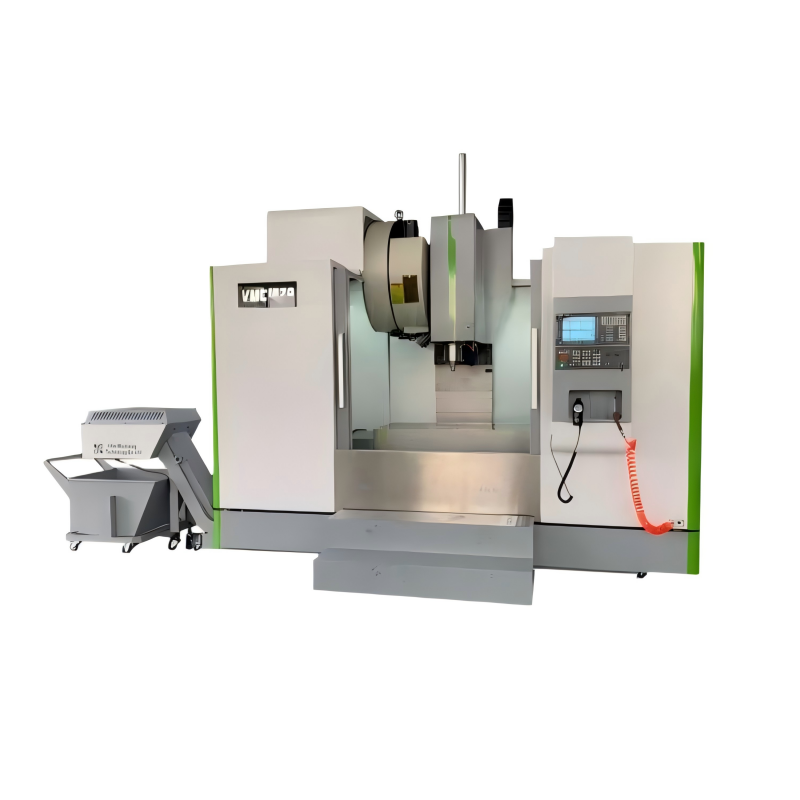
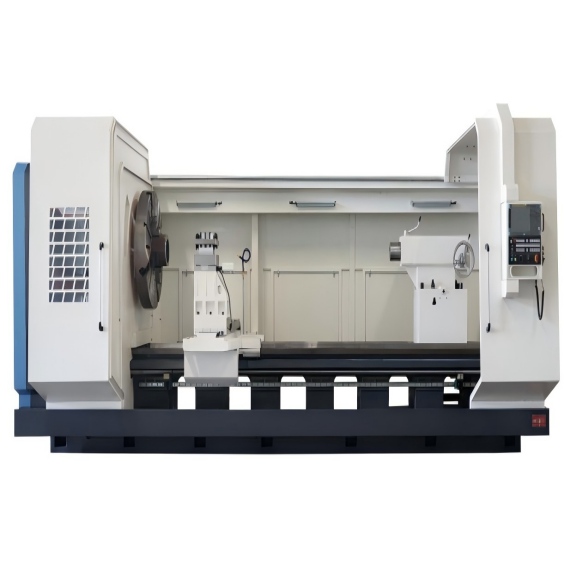
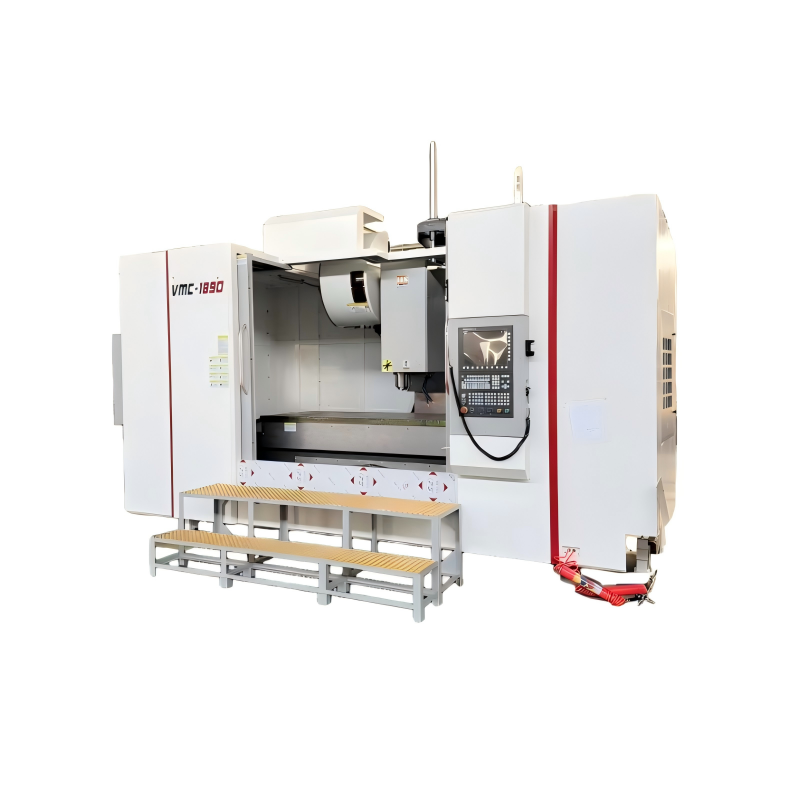
Deep hole machining is a critical process in the manufacturing of long shafts, where precision and efficiency are paramount. With the advent of advanced CNC (Computer Numerical Control) technology, the capabilities of deep hole machining have been significantly enhanced. This report explores recent innovations in deep hole machining for long shafts using CNC Lathes, highlighting key advancements and their impact on the industry.
One of the most significant benefits of using a Deep hole machining CNC lathe for long shafts is the enhanced precision and consistency it offers. Traditional methods often struggle with maintaining tight tolerances over long lengths, leading to variations in the final product. However, CNC lathes equipped with advanced control systems can maintain high levels of accuracy throughout the entire machining process. These machines use sophisticated algorithms to adjust for any deviations, ensuring that the finished shaft meets the required specifications. This level of precision is particularly crucial in industries such as aerospace and automotive, where even minor imperfections can have severe consequences.
Another major advantage of CNC technology in deep hole machining is the significant increase in productivity and efficiency. Conventional machining processes are often time-consuming and labor-intensive, requiring frequent adjustments and manual oversight. In contrast, CNC lathes can operate continuously with minimal human intervention, reducing downtime and increasing overall throughput. Additionally, these machines can be programmed to perform multiple operations in a single setup, further streamlining the production process. The ability to automate complex tasks not only speeds up production but also reduces the risk of human error, resulting in higher quality products.
The use of CNC lathes in deep hole machining also leads to improved tool life and cost-effectiveness. Advanced CNC systems can optimize cutting parameters, such as feed rates and spindle speeds, to minimize wear on cutting tools. This optimization not only extends the lifespan of the tools but also reduces the need for frequent replacements, thereby lowering operational costs. Furthermore, the ability to precisely control the machining process allows for the use of more efficient cutting strategies, such as high-speed machining, which can further enhance tool performance and reduce material waste. The combination of extended tool life and reduced material waste makes CNC lathes a highly cost-effective solution for deep hole machining of long shafts.
Modern CNC lathes are equipped with advanced monitoring and quality control systems, which provide real-time data on the machining process. This data can be used to detect and correct any issues before they become problematic, ensuring that the final product meets the highest standards. For example, sensors can monitor factors such as temperature, vibration, and tool wear, alerting operators to potential problems. Additionally, some CNC lathes are capable of performing in-process inspections, allowing for immediate adjustments if necessary. This level of monitoring and control is particularly valuable in industries where quality and reliability are non-negotiable, such as medical device manufacturing and energy production.
Finally, CNC lathes offer a high degree of flexibility and customization, making them ideal for a wide range of applications. These machines can be easily reprogrammed to handle different types of materials and geometries, allowing manufacturers to adapt quickly to changing market demands. Moreover, the ability to create custom tool paths and machining strategies enables the production of complex and intricate designs that would be difficult or impossible to achieve with traditional methods. This flexibility is particularly advantageous in the development of new and innovative products, where the ability to experiment and iterate is essential.
In conclusion, the integration of CNC technology into deep hole machining for long shafts has brought about numerous benefits, including enhanced precision, increased productivity, improved tool life, advanced monitoring, and greater flexibility. As the technology continues to evolve, it is likely that we will see even more innovative solutions that further improve the efficiency and quality of deep hole machining processes. Manufacturers who embrace these advancements will be well-positioned to meet the growing demands of the global market and stay ahead of the competition.
 19/06/2026
Deep hole machining on CNC lathes is a specialized process that requires precise control and advanced tooling. This technique is particularly useful for manufacturing long shafts, which are essential components in various industries, including automotive,
Read More19/06/2026In the realm of precision engineering, deep hole machining for long shafts using CNC lathes presents a unique set of challenges. This process is critical in industries ranging from aerospace to energy, where components must meet stringent performance and
Read More18/06/2026China, being a major player in the global manufacturing industry, has seen its lathe producers rise to prominence over recent decades. The country's top lathe manufacturers are known for their high-quality products and innovative solutions, particularly i
Read More18/06/2026In the realm of modern manufacturing, the integration of advanced technologies has revolutionized the way we produce components and parts. Among these innovations, the deep hole machining CNC lathe for long shafts stands out as a pivotal tool, offering un
Read More18/06/2026In the realm of precision manufacturing, investing in advanced machinery is crucial for maintaining a competitive edge. This report explores the benefits of acquiring a double pallet heavy horizontal machining center (HMC) and how it complements deep hole
Read More18/06/2026Choosing the right turning hard rail CNC lathe for deep hole machining, especially when dealing with long shafts, is a critical decision that can significantly impact production efficiency and part quality. This guide aims to provide an in-depth analysis
Read More18/06/2026In the realm of modern manufacturing, precision and efficiency are paramount. This is especially true in the production of long shafts, a component that is critical across various industries, from automotive to aerospace. The evolution of deep hole machin
Read More18/06/2026In the realm of manufacturing, the precision and efficiency with which long shafts are machined play a crucial role in the overall productivity and quality of the final product. This report explores how advanced machining technologies, such as deep hole m
Read More18/06/2026Deep hole machining is a critical process in the manufacturing of long shafts, where precision and efficiency are paramount. As technology advances, CNC (Computer Numerical Control) lathes have become increasingly sophisticated, offering advanced features
Read More17/06/2026Understanding the Importance of Precision in Long Shaft MachiningIn the manufacturing industry, precision is not just a preference but a necessity. When it comes to long shaft machining, this principle becomes even more critical. The use of deep hole mach
Read More17/06/2026In the realm of precision engineering, the fabrication of long shafts is a critical process that demands high accuracy and reliability. This technical report delves into the importance of deep hole machining accuracy when using CNC lathes for long shafts,
Read More16/06/2026In the realm of precision engineering, the production of long shafts with deep holes is a critical process that demands high accuracy and efficiency. The use of Deep hole machining CNC lathe for long shafts has become an indispensable tool in this field,
Read More16/06/2026In the realm of precision engineering, the ability to efficiently and accurately machine deep holes in long shafts is a critical skill. This process, often carried out using Deep hole machining CNC lathe for long shafts, presents unique challenges that re
Read More15/06/2026In the realm of precision engineering, advancements in CNC (Computer Numerical Control) lathe technologies have significantly transformed the manufacturing landscape, particularly when it comes to the production of long shafts. This report delves into the
Read More15/06/2026Introduction to Deep Hole Machining for Long Shafts Deep hole machining is a critical process in the manufacturing of precision long shafts, especially those used in industries such as aerospace, automotive, and energy. This technique involves drilling ho
Read MoreOur professional sales team is always ready to assist you.