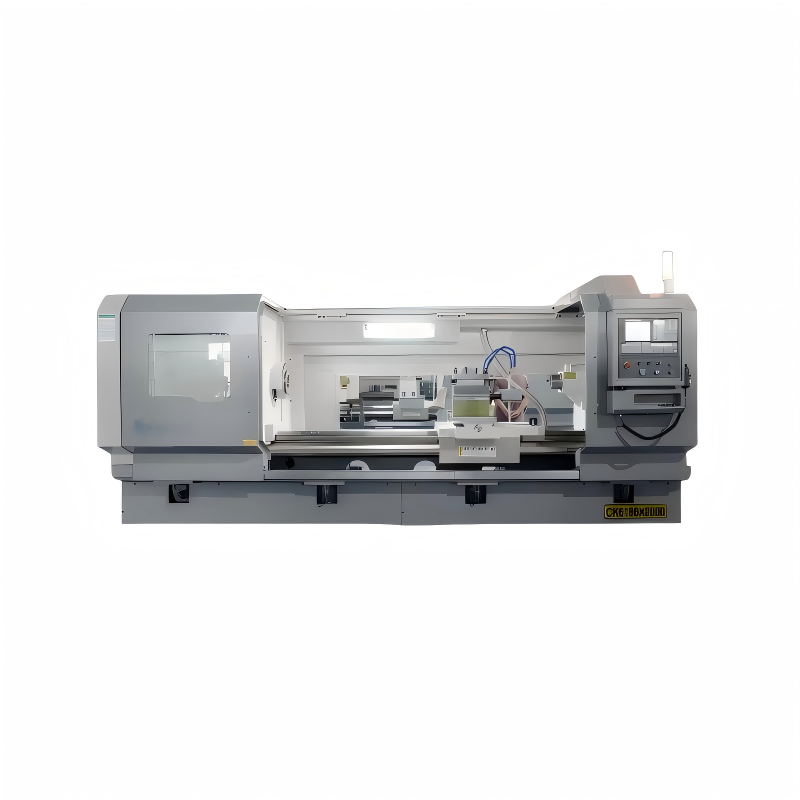
The Turning Lathe Machine is a versatile tool used in various industries, from woodworking to metalworking. Mastering the techniques of using a turning lathe machine can significantly enhance your productivity and the quality of your work. This technical report will guide you through the essential steps and best practices for effectively using a turning lathe machine.
A turning lathe machine is designed to rotate a workpiece on its axis to perform operations such as cutting, sanding, knurling, and drilling. The machine consists of several key components, including the headstock, tailstock, carriage, and bed. Understanding these components and their functions is crucial for safe and efficient operation.
The headstock houses the motor and spindle, which rotates the workpiece. The tailstock supports the other end of the workpiece, ensuring stability during operation. The carriage holds the cutting tool and can be moved along the bed to position the tool accurately. The bed is the base that supports all the other components and provides a stable platform for the machine.
Proper setup is essential for achieving accurate and consistent results. Before starting any operation, ensure that the machine is clean and well-maintained. Check for any loose or damaged parts and replace them as necessary. Lubricate the moving parts to reduce friction and wear.
Next, secure the workpiece in the chuck or between centers. The workpiece should be centered and tightly clamped to prevent it from moving during operation. Adjust the tailstock to provide adequate support and ensure that the workpiece is properly aligned. Set the cutting tool in the tool holder and adjust the carriage to the correct height and angle for the desired cut.
Finally, set the speed and feed rate according to the material and the type of operation. Consult the manufacturer's guidelines for recommended settings. Starting with a lower speed and gradually increasing it can help you find the optimal settings for your specific application.
Choosing the right cutting tools is critical for achieving the desired results. Different materials and operations require different types of tools. For example, high-speed steel (HSS) tools are suitable for most metals, while carbide-tipped tools are better for harder materials like stainless steel and cast iron.
Consider the geometry of the cutting tool, including the rake angle, clearance angle, and nose radius. These factors affect the tool's performance and the quality of the cut. A positive rake angle reduces cutting forces and improves surface finish, while a negative rake angle increases tool strength and is better for heavy-duty operations.
Additionally, ensure that the cutting tool is sharp and properly mounted. Dull tools can lead to poor surface finish and increased cutting forces, which can damage the workpiece and the machine. Regularly inspect and sharpen your tools to maintain their effectiveness.
Turning operations involve a variety of techniques, each with its own set of challenges and requirements. Some common turning operations include facing, turning, boring, and threading. Each operation requires specific tooling and setup to achieve the best results.
Facing involves creating a flat surface on the end of the workpiece. Use a facing tool with a sharp edge and adjust the tool to the correct height. Move the carriage slowly and steadily to ensure a smooth and even cut. Turning, on the other hand, involves removing material from the outside diameter of the workpiece. Use a turning tool with the appropriate geometry and set the tool at the correct angle. Gradually increase the depth of cut to avoid excessive heat and tool wear.
Boring is the process of enlarging an existing hole in the workpiece. Use a boring bar with a suitable tool and adjust the tool to the correct depth. Move the carriage slowly and steadily to ensure a uniform and accurate bore. Threading involves creating a helical groove on the workpiece to form a thread. Use a threading tool with the appropriate pitch and set the tool at the correct angle. Adjust the carriage and tool to ensure proper alignment and move the carriage at a steady pace to create a consistent thread.
Safety is paramount when operating a turning lathe machine. Always wear appropriate personal protective equipment (PPE), including safety glasses, hearing protection, and gloves. Ensure that the work area is well-lit and free of clutter. Keep long hair tied back and avoid wearing loose clothing or jewelry that could get caught in the machine.
Regular maintenance is also crucial for maintaining the efficiency and longevity of the machine. Clean the machine after each use to remove chips and debris. Inspect the machine for any signs of wear or damage and address them promptly. Lubricate the moving parts regularly to reduce friction and wear. Follow the manufacturer's maintenance schedule and guidelines to ensure that the machine remains in optimal condition.
By following these best practices and mastering the techniques of using a turning lathe machine, you can achieve high-quality results and improve your overall productivity. Remember to always prioritize safety and take the time to understand the machine and its components. With practice and experience, you will become proficient in using a turning lathe machine and be able to tackle a wide range of projects with confidence.
 30/06/2026
When it comes to selecting the right VMC (Vertical Machining Center) machine supplier in China, the process can be daunting due to the vast number of manufacturers and suppliers available. This article aims to guide you through the critical factors that s
Read More30/06/2026The turning lathe machine, an indispensable tool in the manufacturing and engineering industries, has been a cornerstone of precision work for centuries. As technology advances, so too does the capability of these machines, allowing for ever more intricat
Read More29/06/2026In the ever-evolving landscape of manufacturing, the integration of advanced technology has become a cornerstone for success. One such technological advancement is the small horizontal CNC lathe, which has seen significant development in China, positionin
Read More29/06/2026In today’s manufacturing landscape, the integration of advanced technologies has revolutionized production processes, with multi-axis CNC (Computer Numerical Control) workcells standing out as a testament to innovation and efficiency. This report delves i
Read More23/06/2026In the ever-evolving landscape of manufacturing, the precision and efficiency of turning lathe machines play a pivotal role in shaping the future of the industry. This report delves into the latest advancements in slant bed lathe innovations, highlighting
Read More15/06/2026In the world of manufacturing, precision and speed are two critical factors that determine the success of a project. The turning lathe machine, a staple in workshops for centuries, has evolved to meet these demands, incorporating advanced technologies tha
Read More15/06/2026Introduction to Slant Bed CNC SystemsThe slant bed CNC (Computer Numerical Control) system represents a significant advancement in the field of machining, especially when it comes to precision and efficiency. This type of machine is designed with a tilted
Read More15/06/2026In today's fast-paced manufacturing environment, the efficiency and precision of turning lathe machines play a crucial role in determining the success of production processes. With the introduction of the latest turning lathe machine models, manufacturers
Read More15/06/2026With the advancement of technology, choosing the right machine for your specific needs has become more critical than ever. When it comes to precision engineering and manufacturing, a Slant Bed CNC (Computer Numerical Control) turning lathe machine stands
Read More15/06/2026The turning lathe machine is a cornerstone in the manufacturing industry, playing an essential role in shaping and machining parts with high precision. To maximize output while maintaining quality, it's crucial to understand the capabilities and best prac
Read MoreOur professional sales team is always ready to assist you.