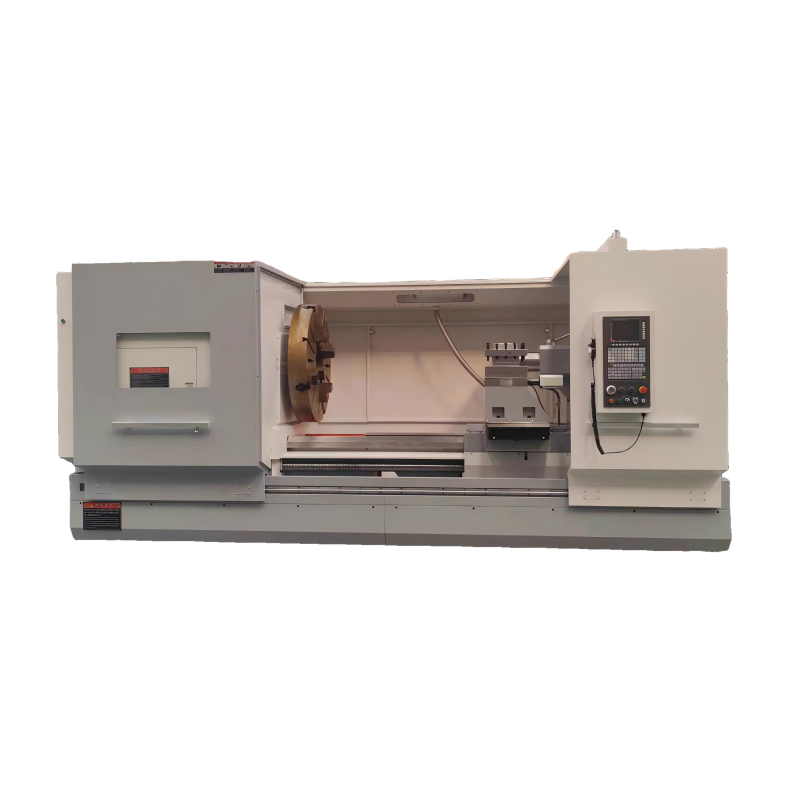
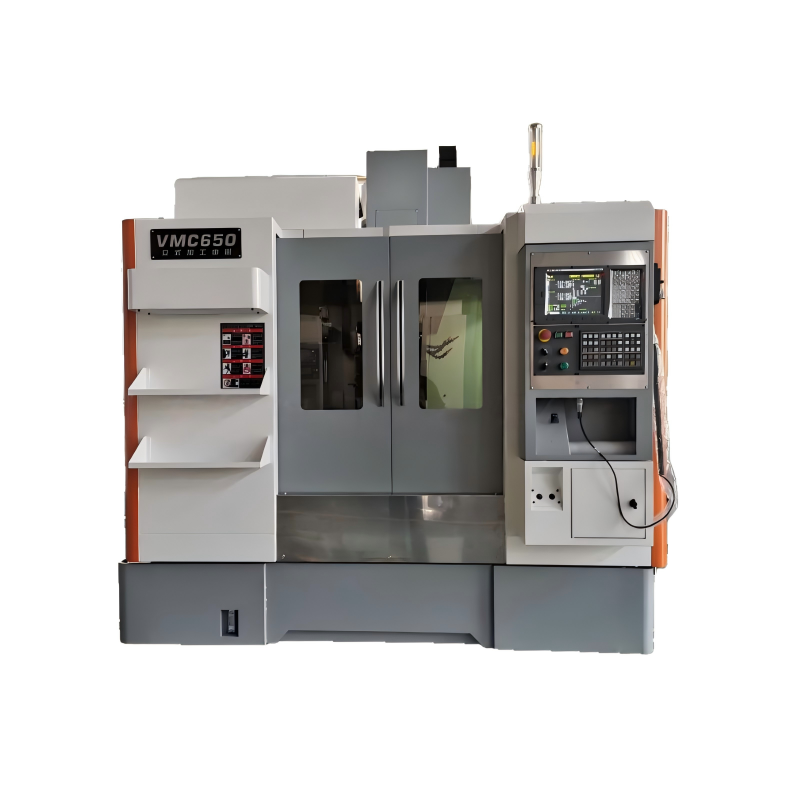
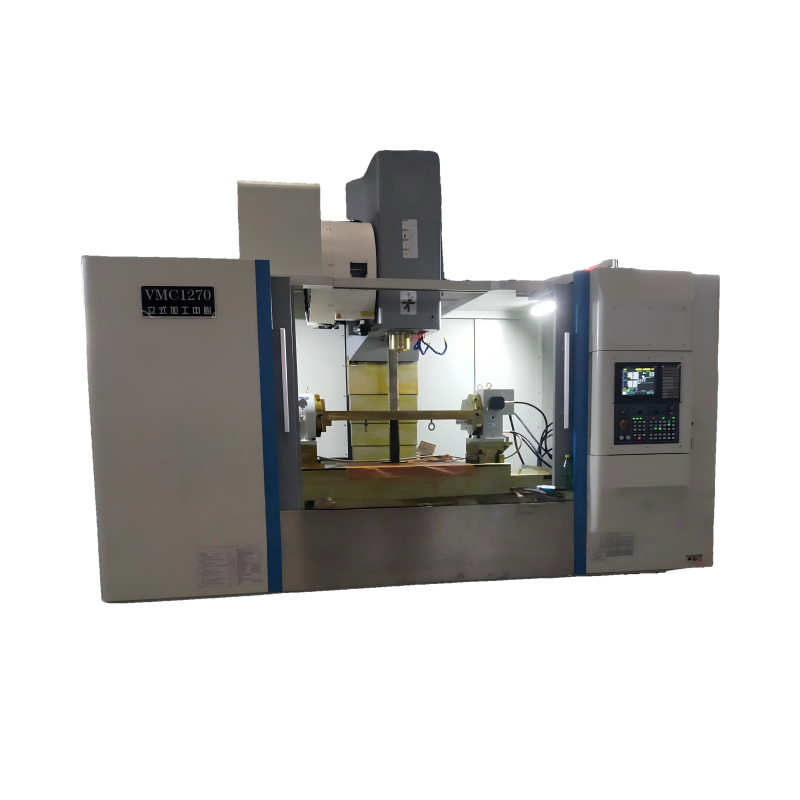
The evolution of machining technology has been a continuous journey, marked by incremental improvements and occasional revolutionary breakthroughs. One area that has seen significant advancements is the Conventional Pipe Thread Lathe. This piece of equipment, essential for creating precise threads on pipes, has undergone numerous modifications to enhance its performance, efficiency, and usability. In this report, we will explore several key innovations in conventional pipe thread lathe technology that have contributed to better overall performance.
One of the most impactful changes in conventional pipe thread lathe technology is the integration of digital control systems. These systems, often referred to as CNC (Computer Numerical Control) systems, have revolutionized how lathes operate. By replacing manual controls with computer-aided ones, operators can achieve unprecedented levels of precision and consistency. The ability to program specific parameters, such as thread pitch, depth, and cutting speed, ensures that each operation meets exact specifications. Moreover, these systems reduce the margin of human error, which is crucial when dealing with complex or repetitive tasks. The result is not only improved accuracy but also an increase in production efficiency, as setup times are significantly reduced.
Another critical aspect of improving conventional pipe thread lathe performance lies in the materials used for construction and tooling. Over the years, there has been a shift towards using advanced alloys and composites that offer superior wear resistance and durability compared to traditional steel. For instance, tools made from tungsten carbide or coated with diamond-like carbon (DLC) coatings can last much longer under high-stress conditions, reducing the frequency of replacements and maintenance. Additionally, the use of lighter, yet stronger, materials in the lathe's frame and components helps to minimize vibrations during operation, leading to smoother cuts and more consistent results. This advancement not only enhances the operational life of the machine but also contributes to lower long-term costs for users.
In today’s world, where sustainability is becoming increasingly important, manufacturers of conventional pipe thread lathes are focusing on developing more energy-efficient models. Innovations in motor technology, such as the adoption of variable frequency drives (VFDs), allow for better control over the power consumption of the lathe. VFDs adjust the motor speed according to the workload, thereby optimizing energy usage without compromising on performance. Furthermore, modern designs incorporate features like automatic shut-off mechanisms that turn off the machine when it is not in use, further contributing to energy savings. These efforts towards energy efficiency not only benefit the environment but also provide cost savings for businesses, making the investment in new technologies a win-win situation.
The advent of the Internet of Things (IoT) has opened up new possibilities for enhancing the functionality and reliability of conventional pipe thread lathes. By connecting these machines to the internet, real-time data collection and analysis become possible. Sensors embedded within the lathe can monitor various parameters, such as temperature, vibration, and wear patterns, and send this information to a central server. Advanced analytics software then processes this data to predict potential failures before they occur, allowing for proactive maintenance. This approach, known as predictive maintenance, minimizes downtime and extends the lifespan of the equipment. It also enables manufacturers to gather valuable insights into their operations, facilitating continuous improvement and innovation.
In conclusion, the innovations discussed above—enhanced precision through digital control systems, advanced materials for longer tool life and durability, energy efficiency, and the integration of IoT for predictive maintenance—represent significant strides forward in conventional pipe thread lathe technology. These advancements not only improve the performance and efficiency of the machines but also contribute to a more sustainable and cost-effective manufacturing process. As technology continues to evolve, it is likely that we will see even more exciting developments in this field, further enhancing the capabilities of conventional pipe thread lathes and driving the industry towards greater heights of productivity and quality.
 02/07/2026
The selection of materials for use in the manufacturing and operation of a Conventional Pipe Thread Lathe is a critical factor that influences not only the performance but also the longevity and cost-effectiveness of the equipment. This report aims to exp
Read More30/06/2026A conventional pipe thread lathe is an essential tool in many industrial settings, used for cutting threads on pipes and other cylindrical workpieces. Proper maintenance and safe operation are crucial to ensure the longevity of the machine and the safety
Read More29/06/2026Introduction to Conventional Pipe Thread Lathe A conventional pipe thread lathe is a specialized machine designed for the production of threads on pipes, making it an essential tool in various industries such as plumbing, oil and gas, and manufacturing. T
Read More28/06/2026The conventional pipe thread lathe, a staple in the manufacturing and maintenance industries, has been instrumental in producing high-quality threaded pipes for various applications. This report aims to explore how the use of a conventional pipe thread la
Read More27/06/2026Understanding the Basics of a Conventional Pipe Thread Lathe A conventional pipe thread lathe is a specialized machine designed to create threads on pipes, making it an indispensable tool in plumbing and manufacturing industries. This section will provide
Read More26/06/2026In the ever-evolving landscape of modern manufacturing, the role of conventional pipe thread lathe has become increasingly significant. This tool, often overlooked in favor of more advanced machinery, continues to play a vital part in various industries,
Read More25/06/2026The field of machining has seen significant advancements over the years, yet the conventional pipe thread lathe remains a cornerstone in many industrial applications. This report aims to explore the precision and effectiveness of conventional pipe thread
Read MoreOur professional sales team is always ready to assist you.