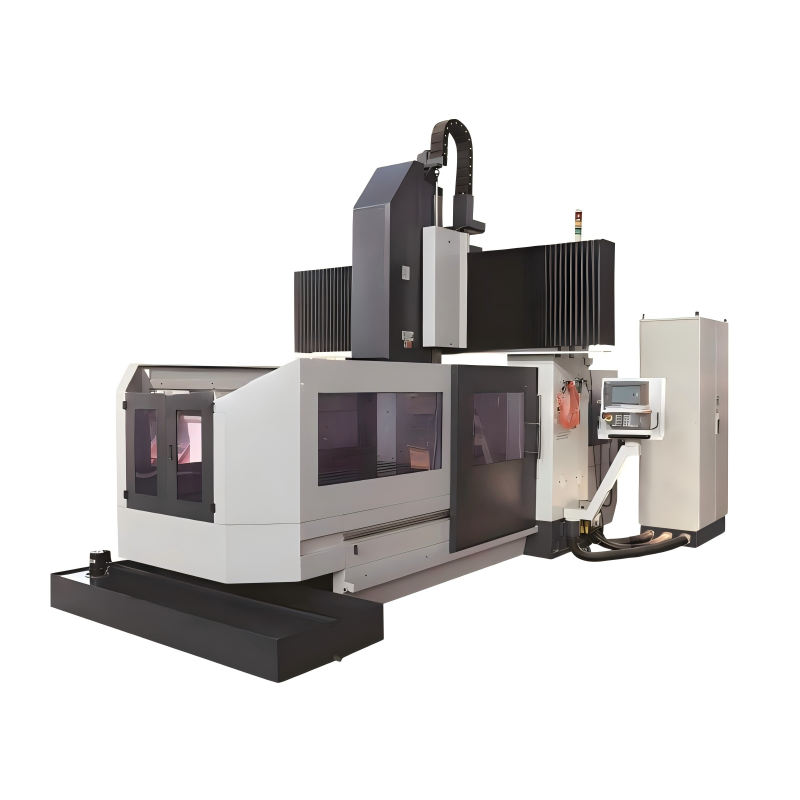
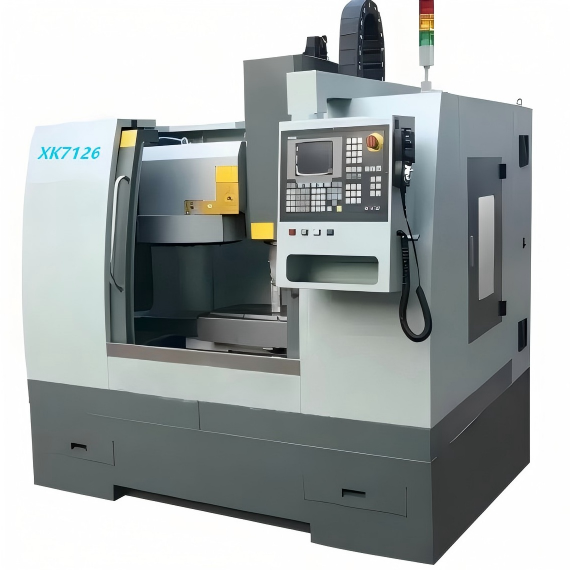
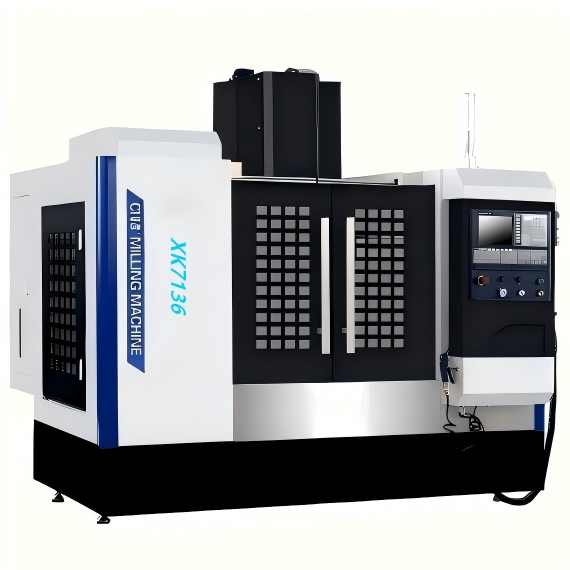
In the realm of manufacturing, precision lathes have long been a cornerstone for producing high-accuracy components. The evolution of China precision lathe technology has not only kept pace with global advancements but, in many cases, has led the way. This report delves into the recent innovations within China's precision lathe industry and their broader impact on the global manufacturing landscape.
One of the most significant developments in China precision lathe technology is the integration of advanced Computer Numerical Control (CNC) systems. These systems have revolutionized the way lathes operate, enabling higher precision, faster production times, and more complex machining capabilities. The adoption of state-of-the-art CNC technology has allowed Chinese manufacturers to produce components with tolerances as tight as 0.001 mm, meeting the stringent requirements of industries such as aerospace, automotive, and medical devices.
Moreover, the use of advanced software and algorithms in these CNC systems has enhanced the automation and efficiency of the machining process. Features like adaptive control, which adjusts cutting parameters in real-time based on the material and tool conditions, have significantly reduced waste and improved the overall quality of the final product. This level of precision and efficiency is a testament to the innovative spirit and technological prowess of China's precision lathe manufacturers.
Another notable trend in the China precision lathe sector is the integration of Internet of Things (IoT) and Artificial Intelligence (AI) technologies. By connecting lathes to the internet, manufacturers can monitor and control the machining process remotely, ensuring optimal performance and reducing downtime. IoT sensors collect data on various parameters such as temperature, vibration, and wear, which are then analyzed using AI algorithms to predict and prevent potential failures.
This predictive maintenance approach not only extends the lifespan of the machinery but also minimizes the risk of unexpected breakdowns, leading to more consistent and reliable production. Additionally, AI-driven optimization tools can analyze historical data to identify patterns and make recommendations for improving the machining process. This integration of IoT and AI has positioned Chinese precision lathes at the forefront of Industry 4.0, setting new standards for smart manufacturing.
As the world increasingly focuses on sustainability, the China precision lathe industry has also embraced green manufacturing practices. Manufacturers are now incorporating energy-efficient designs and materials that reduce the environmental impact of their operations. For example, some lathes are equipped with energy-saving motors and regenerative braking systems, which can significantly lower power consumption.
Furthermore, the use of recycled and recyclable materials in the construction of lathes is becoming more common. This not only reduces the carbon footprint of the manufacturing process but also aligns with the growing demand for eco-friendly products. The commitment to sustainability is not just a response to regulatory pressures but also a strategic move to meet the expectations of environmentally conscious customers and stakeholders.
Recognizing the importance of user experience, Chinese precision lathe manufacturers have made significant strides in developing intuitive and user-friendly interfaces. Modern lathes often come with touch-screen displays and graphical user interfaces (GUIs) that simplify the programming and operation of the machine. This has made it easier for operators to learn and master the equipment, reducing the learning curve and increasing productivity.
In addition to user-friendly interfaces, many manufacturers offer comprehensive training programs and support services. These programs cover everything from basic operation to advanced machining techniques, ensuring that users can fully leverage the capabilities of the lathe. Some companies even provide virtual reality (VR) training modules, which simulate real-world machining scenarios, allowing operators to gain hands-on experience in a safe and controlled environment. This focus on user experience and training has helped to build a skilled workforce and enhance the overall competitiveness of the Chinese precision lathe industry.
The innovations in China precision lathe technology have had a profound impact on the global market. Chinese manufacturers have not only expanded their domestic market share but have also gained significant traction in international markets. The combination of advanced technology, competitive pricing, and high-quality products has made Chinese precision lathes a preferred choice for many global manufacturers.
Looking ahead, the future prospects for the China precision lathe industry are promising. Continued investment in research and development, along with a focus on innovation, will likely lead to further advancements in precision, efficiency, and sustainability. As the global manufacturing landscape continues to evolve, Chinese precision lathes are well-positioned to play a key role in shaping the future of the industry.
 05/06/2026
China, a leading global manufacturer of industrial machinery, has significantly contributed to the advancement of precision engineering through its high-quality China precision lathe products. These lathes are not only cost-effective but also highly relia
Read More05/06/2026China precision lathe technology, particularly in the realm of Computer Numerical Control (CNC) lathes, has been rapidly advancing and transforming the global manufacturing landscape. This technical report delves into how CNC lathe machines from China are
Read More05/06/2026As the global manufacturing landscape continues to evolve, China has emerged as a key player in the precision machining industry, with its CNC lathe machines gaining recognition for their advanced features and competitive pricing. This report explores the
Read More05/06/2026With the rapid advancement of manufacturing technology, vertical machine centers have become indispensable in transforming industrial production. This report delves into how these machines, along with precision tools like China precision lathe, are revolu
Read More05/06/2026Understanding the Importance of Precision in MachiningIn the world of manufacturing, precision is not just a preference but a necessity. China precision lathe machines have become increasingly popular due to their ability to produce parts with high accura
Read More04/06/2026The Evolution of China Precision Lathe in the Global MarketOver the past few decades, China precision lathe has emerged as a formidable force in the global machining industry. This transformation is not just a story of rapid industrialization but also one
Read More03/06/2026In the realm of modern manufacturing, precision is not just a preference but an absolute necessity. The advent and evolution of China precision lathe technologies have significantly contributed to this quest for perfection, enhancing industrial efficiency
Read More02/06/2026In the realm of modern manufacturing, precision is not just a desirable trait but an absolute necessity. This has led to the rise in popularity and demand for high-quality machinery such as the China precision lathe. These machines are known for their abi
Read More02/06/2026In the realm of modern manufacturing, the role of CNC lathe machine China has become increasingly significant. This article delves into the advantages that these machines bring to the table, highlighting their impact on productivity, precision, and overal
Read MoreOur professional sales team is always ready to assist you.