When it comes to selecting a Machining Center for high-precision and efficient manufacturing, the choice between a 3-axis Vertical Machining Center and other types, such as the floor type Horizontal Machining Center, can be crucial. This article focuses on the key features one should look for in a 3-axis vertical machining center, providing insights that are essential for making an informed decision.
Understanding the Core Capabilities of a 3-Axis Vertical Machining Center
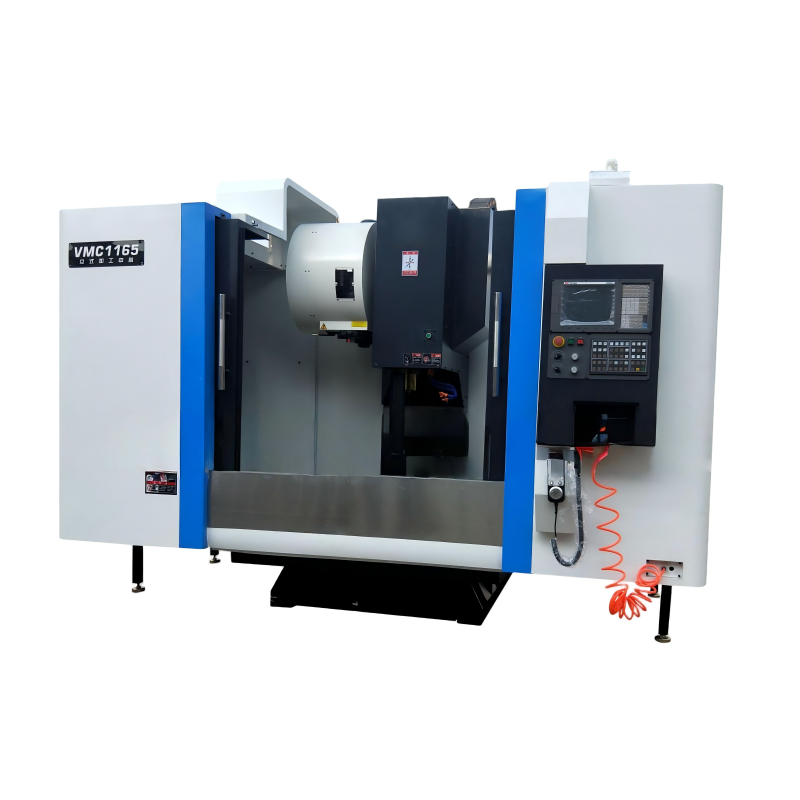
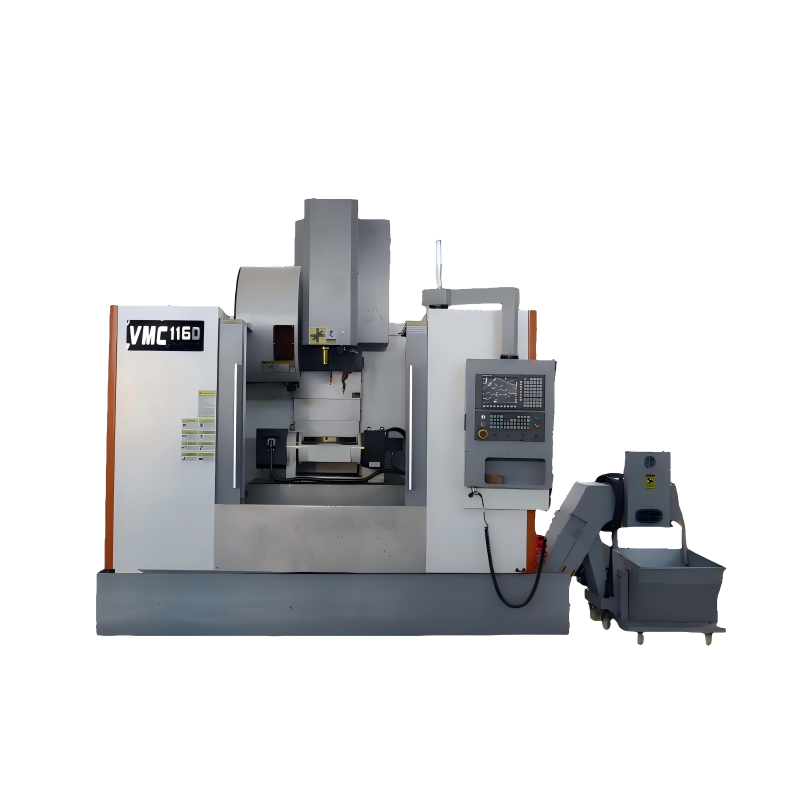
A 3-axis vertical machining center is designed to perform operations along three axes: X, Y, and Z. These machines are particularly well-suited for applications requiring high precision and complex geometries. The ability to move the spindle vertically, combined with the movement of the table along the X and Y axes, allows for a wide range of machining tasks, from drilling and milling to tapping and boring. Unlike a Floor type horizontal machining center, which is often used for heavy-duty cutting and larger workpieces, a 3-axis vertical machining center is more versatile and can handle a variety of materials and part sizes, making it a popular choice in many industries.
Evaluating the Spindle Performance
The spindle is the heart of any machining center, and its performance directly impacts the quality and efficiency of the machining process. In a 3-axis vertical machining center, the spindle must be capable of high-speed rotation while maintaining stability and accuracy. Key factors to consider include the maximum spindle speed, power output, and the type of spindle (e.g., belt-driven or direct-drive). A high-quality spindle will ensure that the tool can cut through materials smoothly and accurately, reducing vibration and improving surface finish. Additionally, the spindle's cooling system and lubrication are critical for maintaining long-term reliability and performance.
Assessing the Table and Workholding System
The table and workholding system in a 3-axis vertical machining center play a vital role in ensuring the accuracy and repeatability of the machining process. The table should be able to support the weight of the workpiece and provide smooth, precise movement along the X and Y axes. Look for a table with a robust construction and a high load capacity. The workholding system, including vices, clamps, and fixtures, must be able to securely hold the workpiece in place during machining. A well-designed workholding system will minimize setup time and ensure that the workpiece remains stable throughout the operation, leading to higher productivity and better part quality.
Considering the Control System and Software
The control system and software are the brain of the 3-axis vertical machining center, enabling the machine to interpret and execute the programmed instructions. Modern machining centers typically use CNC (Computer Numerical Control) systems, which offer advanced features such as 3D simulation, automatic tool change, and real-time monitoring. The user interface should be intuitive and easy to navigate, allowing operators to quickly set up and run jobs. Additionally, the software should support a wide range of file formats and be compatible with CAD/CAM systems, facilitating seamless integration into the manufacturing process. A robust control system and software will not only enhance the machine's functionality but also improve overall operational efficiency.
Evaluating the Machine's Construction and Durability
The construction and durability of a 3-axis vertical machining center are critical factors that affect its long-term performance and maintenance requirements. A well-constructed machine will have a rigid frame, typically made of cast iron or a similar material, which provides stability and reduces vibration. The guideways, which guide the movement of the table and spindle, should be precision-ground and coated with wear-resistant materials to ensure smooth and accurate motion. The machine's overall design should also consider ease of maintenance, with accessible components and a well-organized layout. Regular maintenance and proper care will help extend the machine's lifespan and maintain its performance over time.
In conclusion, when selecting a 3-axis vertical machining center, it is essential to evaluate the core capabilities, spindle performance, table and workholding system, control system and software, and the machine's construction and durability. By carefully considering these key features, you can ensure that the chosen machining center meets your specific needs and delivers the precision, efficiency, and reliability required for your manufacturing processes. While a floor type horizontal machining center may be suitable for certain applications, a 3-axis vertical machining center offers a versatile and powerful solution for a wide range of machining tasks.
 29/06/2026



