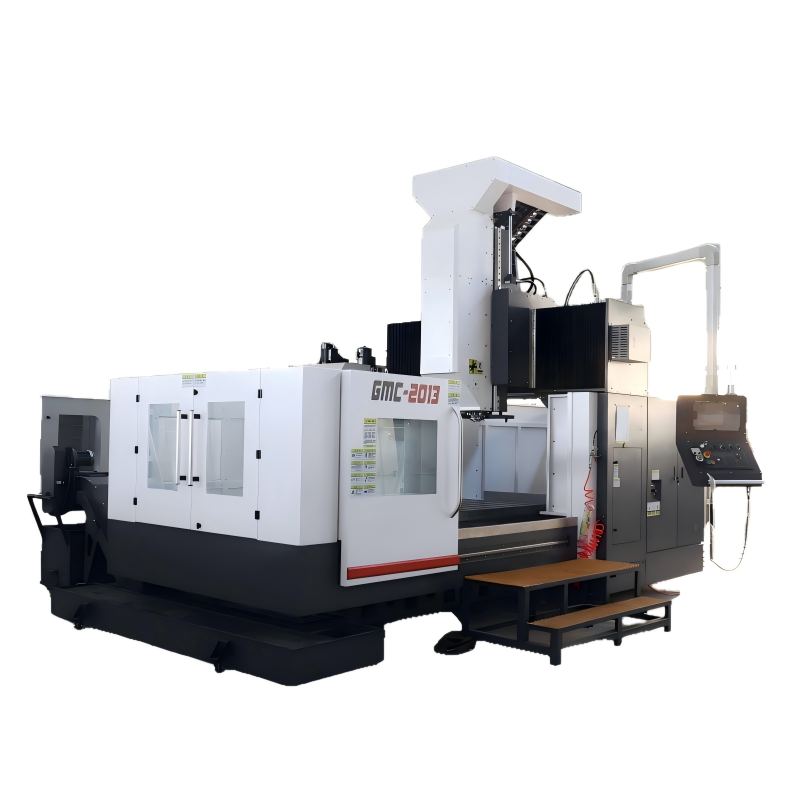
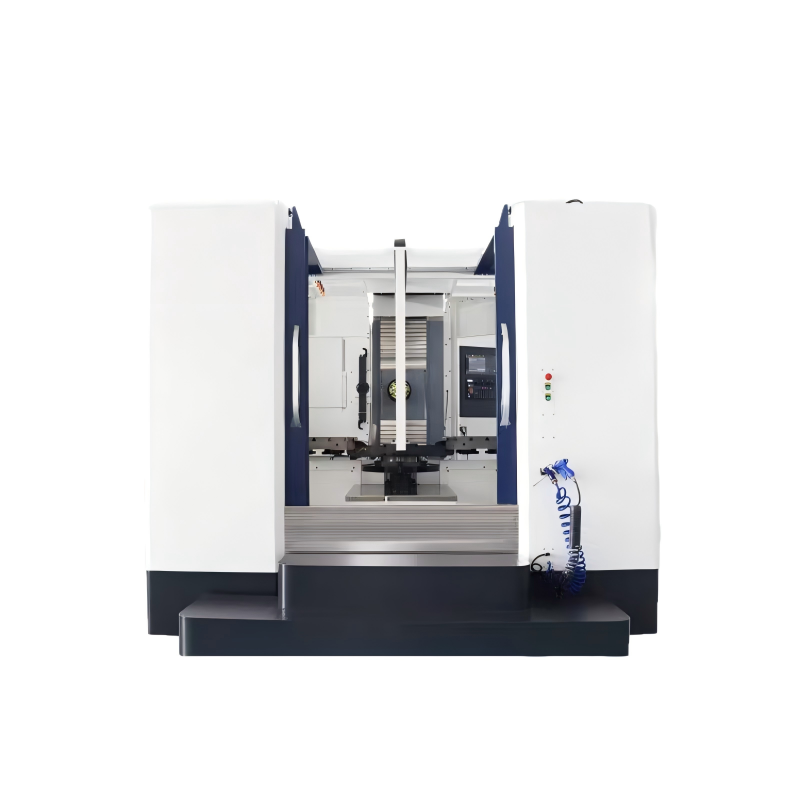
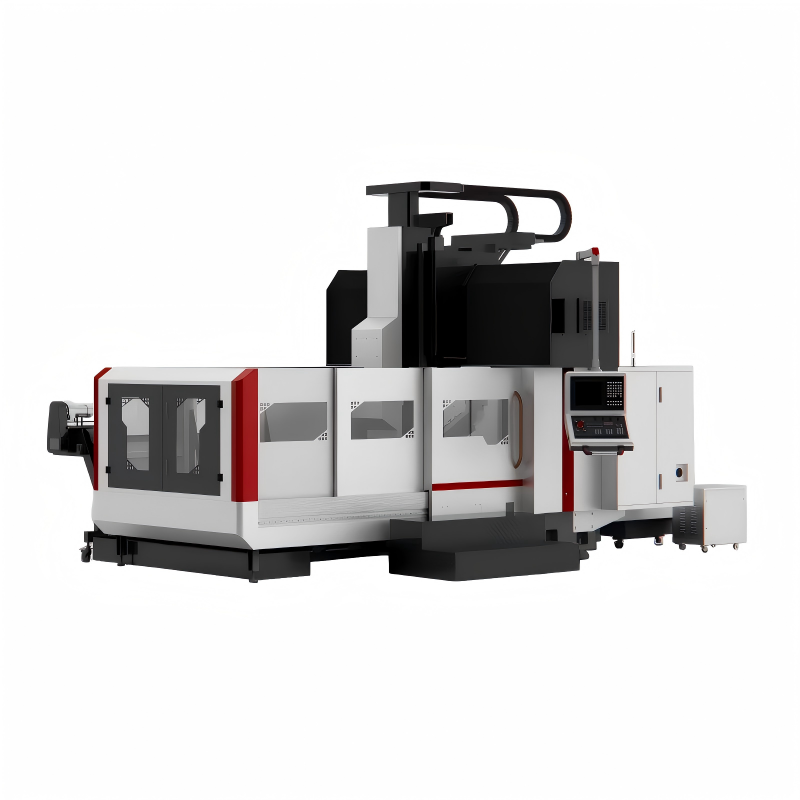
When it comes to precision machining, the Horizontal 2-Axis CNC Lathe stands out as a critical tool for manufacturers across various industries. This type of lathe is designed to provide high accuracy and efficiency, making it an essential piece of equipment for both small shops and large production facilities. In this technical report, we will explore the key features that one should look for in a Horizontal 2-Axis CNC Lathe, ensuring that you make an informed decision when investing in this machinery.
The primary purpose of a Horizontal 2-Axis CNC Lathe is to produce parts with high precision. Therefore, the first feature to consider is the machine's ability to maintain tight tolerances. Modern lathes are equipped with advanced control systems that can achieve sub-micron levels of accuracy. The quality of the spindle, which is the heart of the lathe, plays a crucial role in this aspect. A high-quality spindle ensures minimal runout and vibration, leading to more consistent and accurate cuts. Additionally, the linear guides and ball screws must be of high quality to ensure smooth and precise movement along the X and Z axes. Regular maintenance and calibration are also essential to keep the machine operating at its best.
In today's fast-paced manufacturing environment, automation is key to increasing productivity and reducing labor costs. A good Horizontal 2-Axis CNC Lathe should come with user-friendly software and intuitive controls. The CNC (Computer Numerical Control) system should allow for easy programming and setup, enabling operators to quickly transition between different jobs. Features such as automatic tool changers, bar feeders, and part catchers can significantly enhance the machine's efficiency. These automated systems reduce the need for manual intervention, allowing for continuous operation and higher throughput. Furthermore, modern lathes often include touch-screen interfaces and graphical displays that make it easier for operators to monitor and adjust the machining process in real-time.
The build quality of a Horizontal 2-Axis CNC Lathe is another critical factor to consider. A well-constructed machine will not only perform better but will also have a longer lifespan. Look for lathes made from high-strength materials such as cast iron or steel, which provide stability and rigidity. The bed of the lathe should be robust and resistant to deformation, ensuring that the machine maintains its accuracy over time. Additionally, the quality of the components, such as the bearings, motors, and electrical systems, should be top-notch. High-quality components reduce the likelihood of breakdowns and minimize downtime. Regular maintenance, including lubrication and inspection, is also crucial to extend the life of the machine and ensure consistent performance.
A versatile Horizontal 2-Axis CNC Lathe can handle a wide range of materials and part sizes, making it a valuable asset in any manufacturing setting. Look for machines that offer a variety of tooling options, including live tooling, which allows for additional operations such as drilling and milling. The ability to accommodate different chuck sizes and tailstocks is also important, as it enables the lathe to work with a broader range of workpieces. Some advanced lathes even come with secondary spindles, allowing for simultaneous front and back machining, further enhancing their flexibility. The availability of optional accessories, such as coolant systems and chip conveyors, can also add to the machine's versatility and improve its overall functionality.
Safety is a paramount concern in any manufacturing environment. A well-designed Horizontal 2-Axis CNC Lathe should include safety features that protect both the operator and the machine. Enclosures and safety guards are essential to prevent debris and chips from flying out during operation. Emergency stop buttons and interlocks should be easily accessible and reliable. Additionally, ergonomic design considerations, such as comfortable operator stations and clear visibility of the work area, can improve the working conditions and reduce the risk of operator fatigue. Modern lathes often incorporate noise reduction technologies and vibration damping systems, creating a safer and more pleasant working environment.
In conclusion, when selecting a Horizontal 2-Axis CNC Lathe, it is essential to consider several key features, including accuracy and precision, automation and ease of use, build quality and durability, flexibility and versatility, and safety and ergonomics. By carefully evaluating these aspects, you can ensure that you invest in a machine that meets your specific needs and provides long-term value for your manufacturing operations.
 24/06/2026
Horizontal 2-Axis CNC Lathes are a vital component in modern manufacturing, offering precision and efficiency that can significantly enhance productivity. This report explores the various ways in which a Horizontal 2-Axis CNC Lathe can be utilized to maxi
Read More24/06/2026In the rapidly evolving landscape of manufacturing, the integration of advanced technologies is reshaping traditional processes. One such technology that stands out in the context of Industry 4.0 is the Horizontal 2-Axis CNC Lathe. This report delves into
Read More23/06/2026Understanding the Basics of a Horizontal 2-Axis CNC LatheA Horizontal 2-Axis CNC Lathe is a sophisticated piece of machinery used in manufacturing for performing complex and precise machining operations. This type of lathe operates along two primary axes,
Read More23/06/2026Introduction to Horizontal 2-Axis CNC Lathe The advent of computer numerical control (CNC) technology has transformed the manufacturing industry, enabling precision and efficiency in the production process. Among the various types of CNC machines, the hor
Read More23/06/2026In the realm of advanced manufacturing, the Floor Type Horizontal Machining Center and the Horizontal 2-Axis CNC Lathe stand out as pivotal pieces of equipment. Both are essential in the production of high-precision components, but they serve different pu
Read More23/06/2026In recent years, the global manufacturing landscape has witnessed a significant shift towards adopting advanced machining solutions. Among these, the Horizontal 2-Axis CNC Lathe has emerged as a critical tool for precision engineering. This technical repo
Read More23/06/2026Understanding the Basics of a Horizontal 2-Axis CNC LatheA Horizontal 2-Axis CNC Lathe is an advanced machine tool that plays a crucial role in modern manufacturing. It operates on two axes, the X-axis (horizontal) and Z-axis (vertical), allowing for prec
Read More23/06/2026Horizontal 2-Axis CNC Lathes have been a cornerstone of precision manufacturing for decades, but recent advancements in technology are transforming their capabilities and applications. This report delves into the latest innovations that are redefining the
Read More23/06/2026A Horizontal 2-Axis CNC Lathe is a versatile machine tool, widely used in manufacturing for its precision and efficiency. This guide aims to provide a comprehensive overview of the maintenance procedures necessary to ensure optimal performance and longevi
Read More22/06/2026In the metalworking industry, the quest for efficiency and precision is a never-ending pursuit. Among the various innovations that have emerged to meet this demand, the Horizontal 2-Axis CNC Lathe, particularly in its slant bed configuration, stands out a
Read More22/06/2026In the realm of precision machining, the Horizontal 2-Axis CNC Lathe stands as a cornerstone for manufacturers seeking to produce high-quality parts with efficiency. This machine's versatility and capability in turning operations make it an essential tool
Read More22/06/2026The development of modern manufacturing has been significantly influenced by advancements in machine tools, with Horizontal 2-Axis CNC Lathes playing a pivotal role. These machines have revolutionized the way parts are machined, offering unparalleled prec
Read More22/06/2026The advent of computer numerical control (CNC) technology has revolutionized the manufacturing industry, enabling precise and efficient production processes. Among the various types of CNC machines, the Horizontal 2-Axis CNC Lathe stands out for its versa
Read MoreOur professional sales team is always ready to assist you.