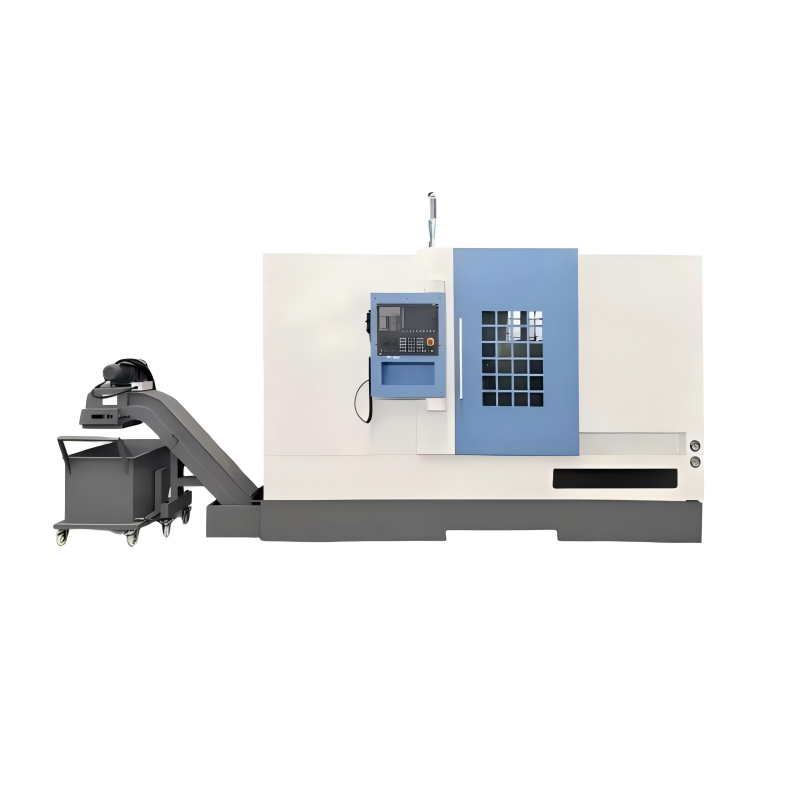
Heavy duty CNC turning centers are essential tools in the manufacturing industry, providing precision and efficiency for a wide range of applications. To ensure these machines operate at their best, regular maintenance is crucial. This technical report will provide comprehensive maintenance tips to help you keep your Heavy duty CNC turning center in optimal condition.
Regular Inspection and Cleaning
One of the most fundamental aspects of maintaining a heavy duty CNC turning center is conducting regular inspections and cleaning. The environment in which the machine operates can be harsh, with dust, debris, and metal shavings accumulating over time. These contaminants can interfere with the machine's performance and lead to premature wear and tear. Therefore, it is essential to establish a routine cleaning schedule.
Start by removing any visible debris from the machine's exterior. Use a soft brush or compressed air to clean hard-to-reach areas. Pay special attention to the spindle, tool holder, and other critical components. Additionally, inspect the machine for any signs of damage or wear, such as cracks, loose parts, or worn-out belts. Addressing these issues early can prevent more significant problems down the line.
Lubrication and Fluid Management
Proper lubrication is another critical aspect of maintaining a heavy duty CNC turning center. Lubricants reduce friction between moving parts, preventing overheating and wear. Regularly check the lubrication system to ensure that all components are adequately lubricated. Follow the manufacturer's recommendations for the type and frequency of lubricant application.
Fluid management is equally important. Coolant and cutting fluids play a vital role in dissipating heat and removing chips during the machining process. Check the fluid levels regularly and replace them as needed. Contaminated or degraded fluids can affect the machine's performance and the quality of the finished product. It is also advisable to use a filtration system to maintain the purity of the fluids.
Software and Control System Maintenance
The software and control systems of a heavy duty CNC turning center are the brains of the operation. Ensuring these systems are up-to-date and functioning correctly is essential for maintaining the machine's accuracy and efficiency. Regularly update the CNC software to the latest version provided by the manufacturer. Software updates often include bug fixes, performance improvements, and new features that can enhance the machine's capabilities.
Additionally, perform periodic checks on the control system. Inspect the electrical connections, sensors, and other electronic components for any signs of damage or malfunction. Loose connections or faulty sensors can lead to inaccurate readings and poor machine performance. If any issues are detected, consult the machine's manual or contact the manufacturer for guidance on troubleshooting and repair.
Tool and Fixture Maintenance
The tools and fixtures used in a heavy duty CNC turning center are subjected to high levels with repeated use. Proper maintenance of these components is crucial to ensure consistent and accurate results. Regularly inspect the tools for wear and damage. Replace any worn or damaged tools promptly to avoid compromising the quality of the machined parts.
Fixtures should also be checked for alignment and wear. Misaligned or worn fixtures can lead to inaccuracies in the machining process. Ensure that all fixtures are properly secured and aligned before starting a job. Additionally, consider using high-quality tools and fixtures made from durable materials to extend their lifespan and improve overall performance.
Training and Documentation
Proper training and documentation are essential for effective maintenance of a heavy duty CNC turning center. Ensure that all operators and maintenance personnel are thoroughly trained on the machine's operation and maintenance procedures. Provide access to the machine's manual and any relevant technical documents. Regular training sessions can help keep staff updated on the latest maintenance techniques and best practices.
Maintain detailed records of all maintenance activities, including inspections, repairs, and part replacements. These records can be invaluable for tracking the machine's performance and identifying potential issues before they become major problems. Additionally, having a well-documented maintenance history can be useful for warranty claims and future reference.
By following these maintenance tips, you can ensure that your heavy duty CNC turning center remains in top condition, providing reliable and efficient performance for years to come.

 19/06/2026



