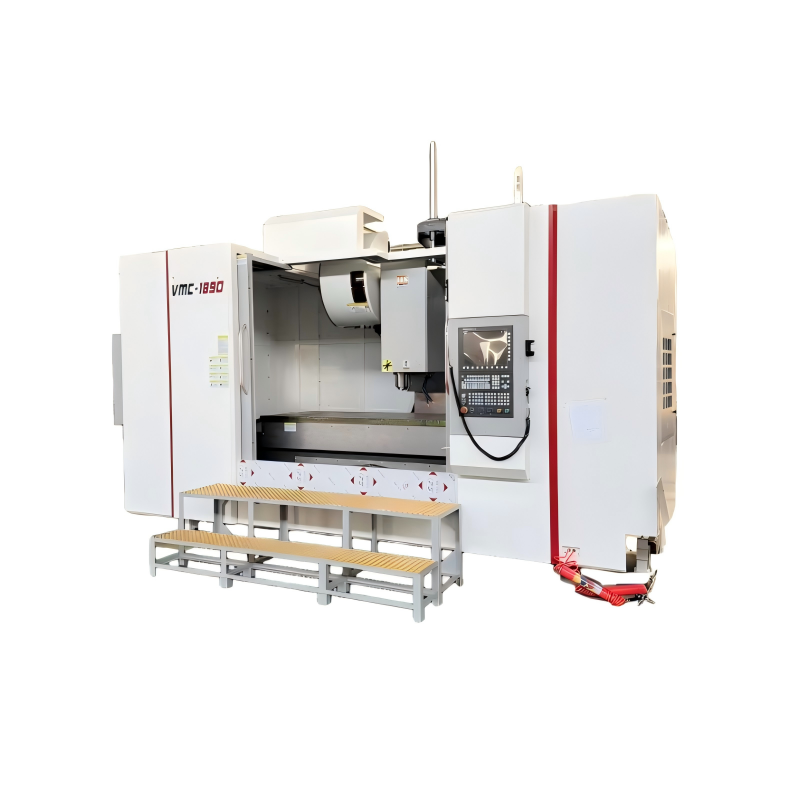
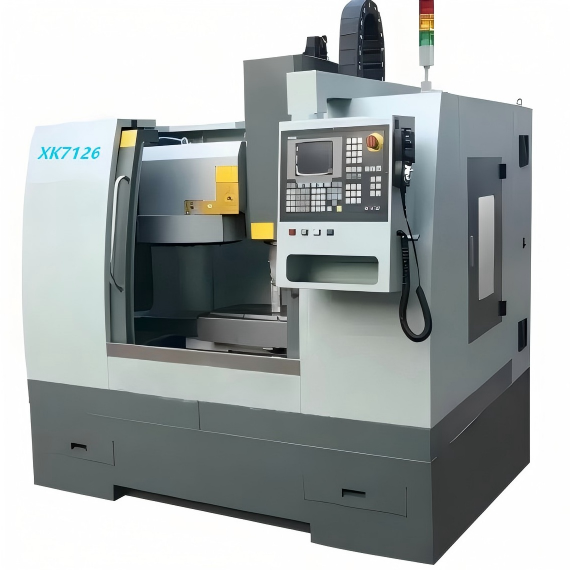
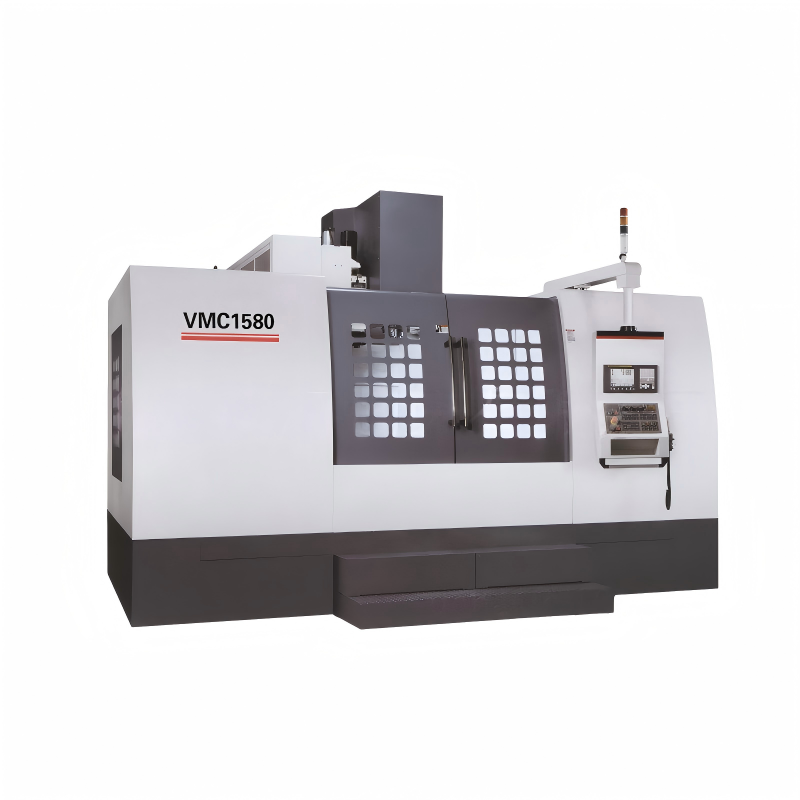
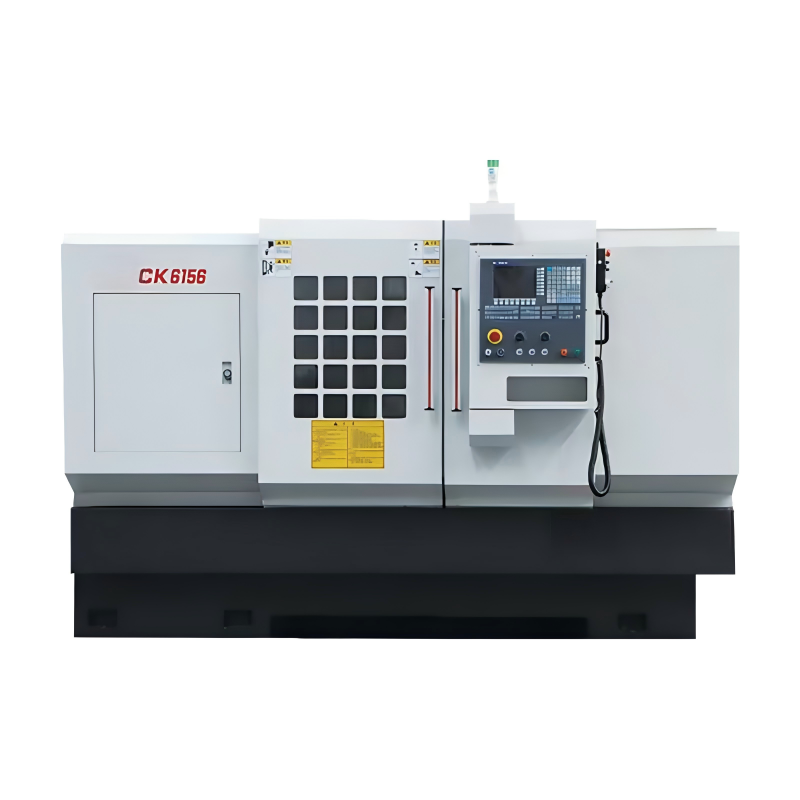
Understanding the capabilities of a heavy duty CNC turning center is essential for industries that require precision, efficiency, and durability in their manufacturing processes. A Heavy duty CNC turning center is designed to handle large, complex, and robust parts, making it a critical asset in various sectors such as aerospace, automotive, and heavy machinery. This technical report will delve into the key features, advantages, and applications of a heavy duty CNC turning center, providing valuable insights for both experienced engineers and newcomers to the field.
A heavy duty CNC turning center is built with a robust construction that ensures its longevity and reliability. The machine's frame is typically made from high-strength materials such as cast iron or steel, which provide excellent stability and vibration damping. This is crucial for maintaining the precision and accuracy required in heavy-duty machining operations. The rigidity of the machine also allows it to handle larger and heavier workpieces without compromising on performance.
Additionally, the spindle of a heavy duty CNC turning center is designed to withstand high torque and power, enabling it to perform demanding cutting operations. The spindle is often equipped with advanced bearings and cooling systems to ensure consistent performance and minimize wear and tear. This robust construction not only enhances the machine's lifespan but also reduces maintenance costs and downtime, making it a cost-effective solution for long-term use.
One of the key features of a heavy duty CNC turning center is its advanced control system, which provides precise and efficient operation. Modern CNC turning centers are equipped with state-of-the-art control software that allows for the programming of complex machining operations with ease. These control systems often include features such as automatic tool changers, multi-axis control, and real-time monitoring, which significantly enhance the machine's productivity and flexibility.
Automation is another critical aspect of a heavy duty CNC turning center. The ability to automate various processes, such as loading and unloading workpieces, changing tools, and performing quality checks, not only increases efficiency but also reduces the risk of human error. This is particularly important in high-volume production environments where consistency and accuracy are paramount. Advanced automation systems can also be integrated with other manufacturing processes, creating a seamless and highly productive workflow.
A heavy duty CNC turning center is capable of performing a wide range of machining operations, making it a versatile tool in any manufacturing setting. These machines can handle tasks such as turning, boring, threading, and milling, all within a single setup. This versatility is achieved through the use of multiple turrets and live tooling, which allow for simultaneous operations on different axes. This not only saves time but also reduces the need for additional equipment, streamlining the production process.
Moreover, the ability to perform multiple operations in a single setup enhances the overall quality of the finished part. By minimizing the number of setups and handling, the risk of errors and inconsistencies is reduced, resulting in higher precision and better surface finishes. This is particularly beneficial in industries where tight tolerances and high-quality standards are essential, such as aerospace and medical device manufacturing.
The integration of a heavy duty CNC turning center with Industry 4.0 technologies is a significant trend in modern manufacturing. Industry 4.0, also known as the Fourth Industrial Revolution, emphasizes the use of smart and connected technologies to optimize production processes. In the context of a heavy duty CNC turning center, this can include the use of IoT (Internet of Things) sensors, data analytics, and cloud computing.
IoT sensors can be used to monitor the machine's performance in real-time, collecting data on parameters such as temperature, vibration, and tool wear. This data can then be analyzed using advanced algorithms to predict maintenance needs, optimize tool life, and improve overall machine efficiency. Cloud computing enables the storage and analysis of large datasets, allowing for remote monitoring and management of the machine. This not only enhances the machine's performance but also provides valuable insights for continuous improvement and decision-making.
In conclusion, a heavy duty CNC turning center is a powerful and versatile tool that offers numerous advantages in terms of robustness, automation, versatility, and integration with Industry 4.0 technologies. Its robust construction and advanced control systems make it an ideal choice for industries that require high-precision and high-efficiency machining. By understanding the capabilities of a heavy duty CNC turning center, manufacturers can leverage its full potential to achieve superior results and stay competitive in the ever-evolving landscape of modern manufacturing.
 19/06/2026
In the dynamic landscape of automotive manufacturing, the role of heavy duty CNC turning centers cannot be overstated. These advanced machines play a pivotal part in ensuring precision, efficiency, and reliability in the production process. This technical
Read More19/06/2026In the realm of modern manufacturing, precision and efficiency are paramount. Among the various tools that have emerged to meet these demands, the heavy duty CNC turning center stands out as a versatile and powerful solution for complex machining tasks. T
Read More19/06/2026Heavy duty CNC turning centers are essential tools in the manufacturing industry, providing precision and efficiency for a wide range of applications. To ensure these machines operate at their best, regular maintenance is crucial. This technical report wi
Read More19/06/2026Heavy duty CNC turning centers represent a significant advancement in the field of machining, providing manufacturers with the ability to handle large, complex parts with high precision and efficiency. These machines are designed for applications that req
Read More19/06/2026The evolution of metalworking has been nothing short of remarkable, with advancements in technology continually pushing the boundaries of what is possible. Among these innovations, heavy duty CNC turning centers stand out as a cornerstone for the future o
Read More18/06/2026In today’s manufacturing landscape, the demand for high-volume production has never been more pressing. This environment calls for machinery that not only meets but exceeds expectations in terms of precision, efficiency, and durability. The heavy duty CNC
Read More18/06/2026Heavy duty CNC turning centers are essential machines in many manufacturing processes, renowned for their precision and efficiency. However, to ensure they continue to perform at optimal levels, regular maintenance is crucial. This report aims to provide
Read More18/06/2026Introduction to Heavy Duty CNC Turning Centers A heavy duty CNC turning center is a sophisticated machine tool designed for high-precision and high-volume manufacturing. These machines are capable of handling large and complex workpieces, making them indi
Read More17/06/2026Understanding the Importance of Heavy Duty CNC Turning Centers in Modern Manufacturing In today's highly competitive manufacturing landscape, the demand for precision and efficiency has never been higher. One piece of equipment that stands out as a critic
Read More17/06/2026The evolution of machining technology has been nothing short of remarkable, with heavy duty CNC turning centers standing at the forefront of this transformation. These advanced machines not only promise to revolutionize the way we manufacture components b
Read More17/06/2026In the modern manufacturing landscape, the demand for precision, efficiency, and durability has never been higher. A heavy duty CNC turning center is a critical piece of equipment that can significantly enhance the durability of manufactured parts. This r
Read More17/06/2026The evolution of manufacturing technology has seen significant advancements over the years, with heavy duty CNC turning centers playing a pivotal role in shaping the modern industrial landscape. These machines are designed to handle large, complex parts w
Read More17/06/2026In today’s manufacturing landscape, the demand for high precision and efficiency in production processes has never been greater. The advent of advanced heavy duty CNC turning centers marks a significant leap forward in addressing these needs, providing un
Read More16/06/2026In the realm of modern manufacturing, the heavy duty CNC turning center stands out as a critical component in enhancing industrial productivity. This advanced piece of machinery not only accelerates production processes but also ensures precision and reli
Read More16/06/2026Understanding the Requirements for a Heavy Duty CNC Turning CenterIn the realm of precision manufacturing, selecting the appropriate machinery is crucial for both efficiency and product quality. A heavy duty CNC turning center stands out as an essential p
Read More16/06/2026In the contemporary landscape of manufacturing, the advent of advanced machinery has significantly transformed the way materials are processed and parts are produced. Among these innovations, the heavy duty CNC turning center stands out as a critical tool
Read More16/06/2026Choosing the right heavy duty CNC turning center is a critical decision that can significantly impact the efficiency, quality, and cost-effectiveness of your manufacturing processes. With a wide range of options available on the market, it's essential to
Read More16/06/2026The Evolution of Heavy Duty CNC Turning CentersOver the past few decades, heavy duty CNC (Computer Numerical Control) turning centers have become an indispensable part of modern manufacturing. These machines are designed to handle large, complex, and heav
Read More15/06/2026In the realm of modern manufacturing, the heavy duty CNC turning center stands out as a pivotal piece of equipment for industries that demand precision, durability, and efficiency. These machines are designed to handle large, complex parts with high accur
Read More15/06/2026Heavy duty CNC turning centers represent a significant advancement in the field of machining, offering unparalleled precision, efficiency, and versatility. These machines are designed to handle large, complex parts with high accuracy, making them indispen
Read More15/06/2026In the realm of precision manufacturing, the heavy duty CNC turning center stands out as a critical piece of equipment for achieving high-accuracy and efficient production. This article explores the capabilities, applications, and advantages of heavy duty
Read More15/06/2026Heavy duty CNC turning centers are essential tools in the manufacturing industry, capable of producing complex and precise parts with high efficiency. This report delves into the capabilities of a heavy duty CNC turning center, exploring its advanced feat
Read More15/06/2026The evolution of manufacturing technology has led to significant advancements in precision machining, with the heavy duty CNC turning center emerging as a pivotal tool for industries requiring high accuracy and efficiency. This comprehensive guide aims to
Read MoreOur professional sales team is always ready to assist you.