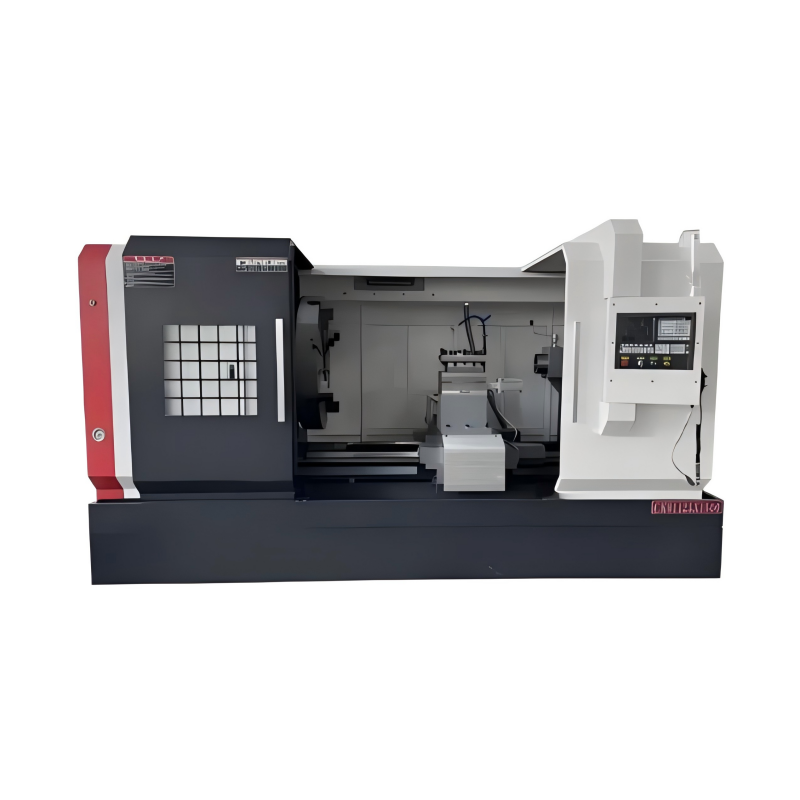
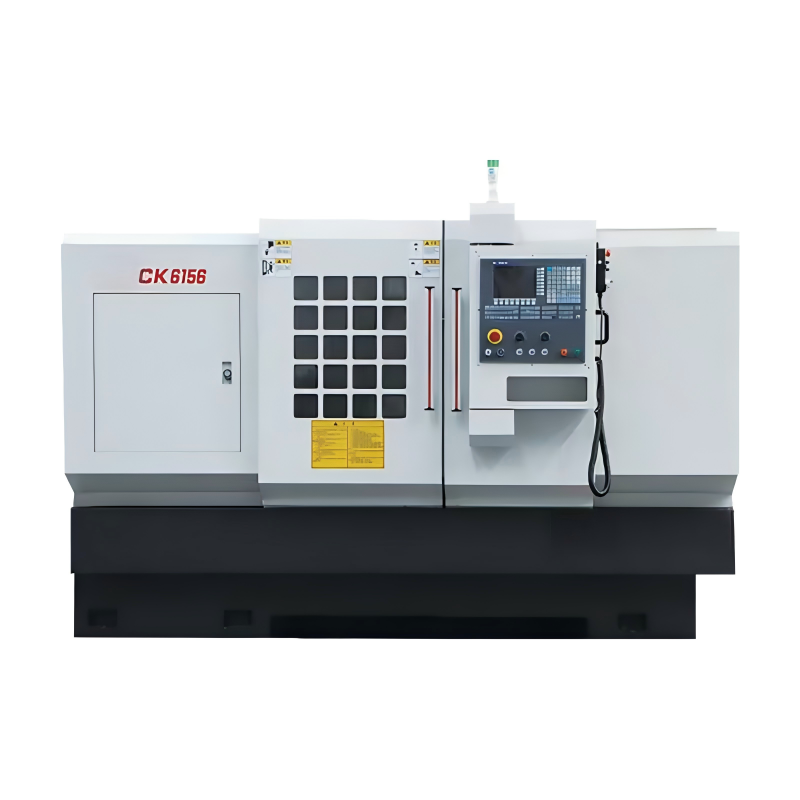
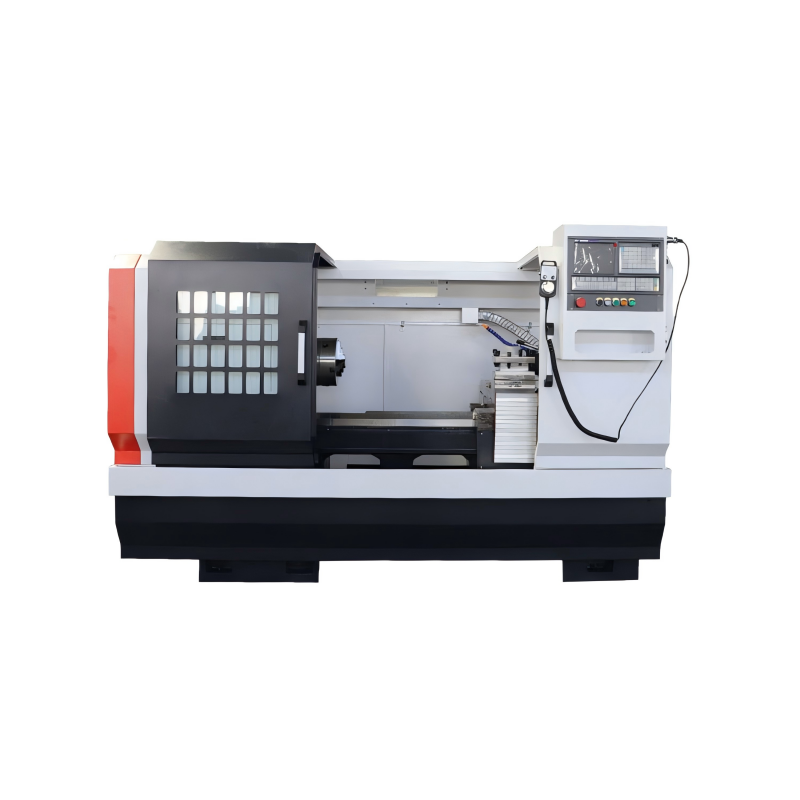
In the realm of modern manufacturing, efficiency and precision are paramount. The advent of advanced machinery such as the fully automatic horizontal CNC lathe from China has significantly transformed how industries approach production. This report delves into the benefits and operational dynamics of multi-axis CNC workcells, with a particular focus on how they can be utilized to maximize productivity.
The integration of a fully automatic horizontal CNC Lathe in a multi-axis CNC workcell is a game-changer for manufacturers. These machines are designed to handle complex operations with high precision and repeatability. By automating the entire process, from loading raw materials to the final inspection, these lathes minimize human error and ensure that each part produced meets the exact specifications required. This level of accuracy is crucial in industries where even the slightest deviation can lead to significant issues, such as aerospace or medical device manufacturing.
Moreover, the use of multi-axis capabilities allows for the machining of intricate parts in a single setup. This not only reduces the need for multiple machines but also decreases the time and labor required for retooling and recalibration. The result is a more streamlined and efficient production line, capable of delivering high-quality products consistently.
One of the key advantages of using a Fully automatic horizontal CNC lathe in a multi-axis workcell is the ability to increase throughput. These machines are built for high-speed operations, allowing them to process a large volume of parts in a short amount of time. The automation of the entire workflow, from material handling to the final product, ensures that there are no bottlenecks in the production process. This is particularly beneficial for high-volume manufacturing, where meeting tight deadlines is critical.
Additionally, the use of multi-axis CNC workcells enables the simultaneous processing of multiple parts. For example, a dual-spindle lathe can work on two pieces at once, effectively doubling the output. This not only increases the overall production capacity but also reduces the lead times, making it easier for manufacturers to respond to market demands quickly and efficiently.
Investing in a fully automatic Horizontal CNC Lathe and integrating it into a multi-axis CNC workcell can lead to substantial cost savings over the long term. The automation of the production process reduces the need for manual labor, which can be a significant expense for many manufacturers. Furthermore, the increased efficiency and reduced waste associated with these machines contribute to lower operational costs.
Another aspect to consider is the reduction in maintenance and downtime. Modern CNC lathes are built with robust components and advanced diagnostic systems, which help in identifying and addressing potential issues before they become major problems. This proactive approach to maintenance ensures that the machines are always operating at their optimal levels, minimizing unplanned downtime and maximizing the return on investment (ROI).
Furthermore, the ability to produce high-precision parts in a single setup reduces the need for additional quality control measures, thereby saving both time and money. The overall impact is a more cost-effective and sustainable manufacturing process, which is essential for staying competitive in today's global market.
One of the most significant benefits of using a fully automatic horizontal CNC lathe in a multi-axis workcell is the flexibility it offers. These machines can be easily reprogrammed to handle a wide range of parts and materials, making them ideal for manufacturers who need to adapt to changing market demands. Whether it's switching from one type of component to another or adjusting the production process to accommodate new designs, the versatility of these lathes ensures that the transition is smooth and efficient.
Moreover, the use of multi-axis capabilities allows for the machining of complex geometries and features that would be difficult or impossible to achieve with traditional methods. This opens up new possibilities for innovation and design, enabling manufacturers to create products that meet the evolving needs of their customers. The ability to quickly and easily reconfigure the workcell to handle different tasks also means that manufacturers can take on a wider range of projects, diversifying their offerings and expanding their market reach.
The integration of a fully automatic horizontal CNC lathe from China into a multi-axis CNC workcell offers numerous advantages for manufacturers. From enhancing precision and consistency to increasing throughput and reducing lead times, these machines are designed to optimize every aspect of the production process. Additionally, the cost savings and improved ROI, along with the flexibility and adaptability they provide, make them an invaluable asset for any modern manufacturing facility. As the industry continues to evolve, the adoption of these advanced technologies will be crucial for maintaining a competitive edge and driving future growth.
 29/06/2026
The evolution of machining technologies has been a testament to human ingenuity, with each generation of machines pushing the boundaries of precision, efficiency, and automation. Among these advancements, Fully automatic horizontal CNC lathe China stands
Read More29/06/2026The rapid advancement in manufacturing technologies, particularly within the realm of CNC (Computer Numerical Control) machining, has significantly transformed how complex parts are produced. This report delves into the sophisticated features of multi-axi
Read More29/06/2026China, as one of the world's largest manufacturing hubs, has been at the forefront of adopting advanced technologies to enhance its industrial capabilities. Among these, fully automatic horizontal CNC lathes have played a pivotal role in shaping the count
Read More29/06/2026In the realm of advanced manufacturing, the integration of fully automatic horizontal CNC lathes and 4-axis heavy horizontal machining centers has revolutionized the way complex parts are produced. This report delves into the capabilities, applications, a
Read More26/06/2026In the realm of modern manufacturing, the integration of advanced machinery has become a cornerstone for enhancing efficiency and precision. Among these, the fully automatic horizontal CNC lathe China stands out as an innovative solution that is reshaping
Read More26/06/2026In the realm of modern manufacturing, precision and efficiency are paramount. One of the key tools that have revolutionized the industry is the fully automatic horizontal CNC lathe. This article delves into how a reliable fully automatic horizontal CNC la
Read More26/06/2026A fully automatic horizontal CNC lathe from China is a highly efficient and versatile machine used in various manufacturing industries. Its ability to perform complex machining tasks with high precision makes it an indispensable tool for many workshops. H
Read More25/06/2026In the realm of manufacturing, precision and efficiency are paramount. The emergence of fully automatic horizontal CNC lathes from China has significantly transformed the industry, offering unparalleled capabilities and cost-effectiveness. This report del
Read More25/06/2026The manufacturing industry is witnessing a rapid transformation, driven by advancements in technology. One such area that has seen significant development is the production of fully automatic horizontal CNC lathes. These machines are essential for achievi
Read More25/06/2026In the rapidly evolving landscape of manufacturing, technological advancements have played a pivotal role in enhancing productivity, precision, and efficiency. One such innovation that has significantly impacted the industry is the fully automatic horizon
Read More24/06/2026In today’s competitive manufacturing landscape, the adoption of advanced machinery is crucial for businesses aiming to stay ahead. One such piece of equipment that has gained significant traction is the fully automatic horizontal CNC lathe. This technolog
Read More24/06/2026In the realm of modern manufacturing, the evolution of machining technologies has been nothing short of revolutionary. Among these advancements, the fully automatic horizontal CNC lathe stands out as a pivotal innovation, especially when it comes from Chi
Read More24/06/2026The Advantages of Automation in Modern MachiningAs the manufacturing industry continues to evolve, the adoption of advanced technologies becomes increasingly important. One such technology is the fully automatic horizontal CNC lathe, which offers numerous
Read More23/06/2026The manufacturing industry is continually evolving, with advancements in technology playing a crucial role in enhancing production efficiency. One such advancement is the fully automatic horizontal CNC lathe from China, which has revolutionized the way pr
Read More23/06/2026In the realm of modern manufacturing, the Fully automatic horizontal CNC lathe China has emerged as a critical tool for achieving high precision and efficiency. This guide aims to provide a comprehensive overview of operating such machinery, focusing on k
Read More23/06/2026The evolution of manufacturing technology has seen significant advancements over the years, with fully automatic horizontal CNC lathes playing a crucial role in precision engineering. These machines, particularly those produced in China, have become indis
Read More22/06/2026In the realm of precision machining, the fully automatic horizontal CNC lathe from China stands out as a beacon of technological advancement. This article delves into the intricacies and advantages of the high precision flat bed CNC lathe, highlighting it
Read More22/06/2026The advancement in manufacturing technology has brought about significant improvements in the efficiency and precision of production processes. Among these advancements, the fully automatic horizontal CNC lathe from China stands out as a transformative so
Read More22/06/2026Understanding the Basics of Fully Automatic Horizontal CNC LathesIn today's rapidly evolving manufacturing landscape, choosing the right machinery is crucial for maintaining a competitive edge. One such essential tool is the fully automatic horizontal CNC
Read More22/06/2026With the rapid development of manufacturing technology, the demand for precision and efficiency in machining processes has increased significantly. One of the key machines that have emerged to meet this demand is the fully automatic horizontal CNC lathe.
Read More22/06/2026In the realm of modern manufacturing, the adoption of advanced technologies plays a crucial role in enhancing productivity, precision, and overall efficiency. One such technology that has gained significant traction is the fully automatic horizontal CNC l
Read More16/06/2026As the demand for precision machining continues to grow, manufacturers are increasingly looking towards solutions that can fit into compact spaces without compromising on performance. One such solution is the fully automatic horizontal CNC lathe, which ha
Read MoreOur professional sales team is always ready to assist you.