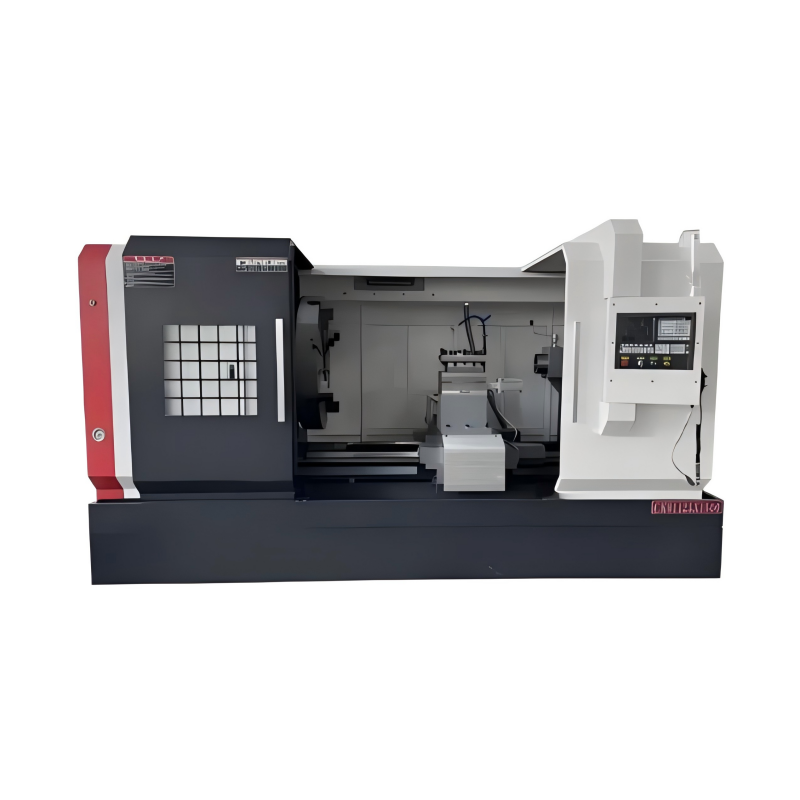
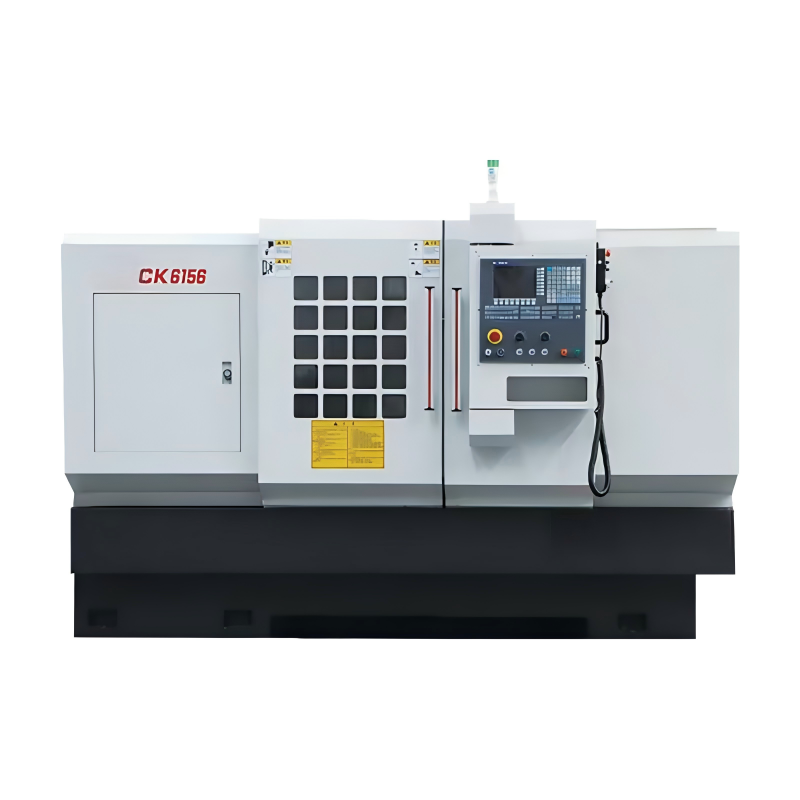
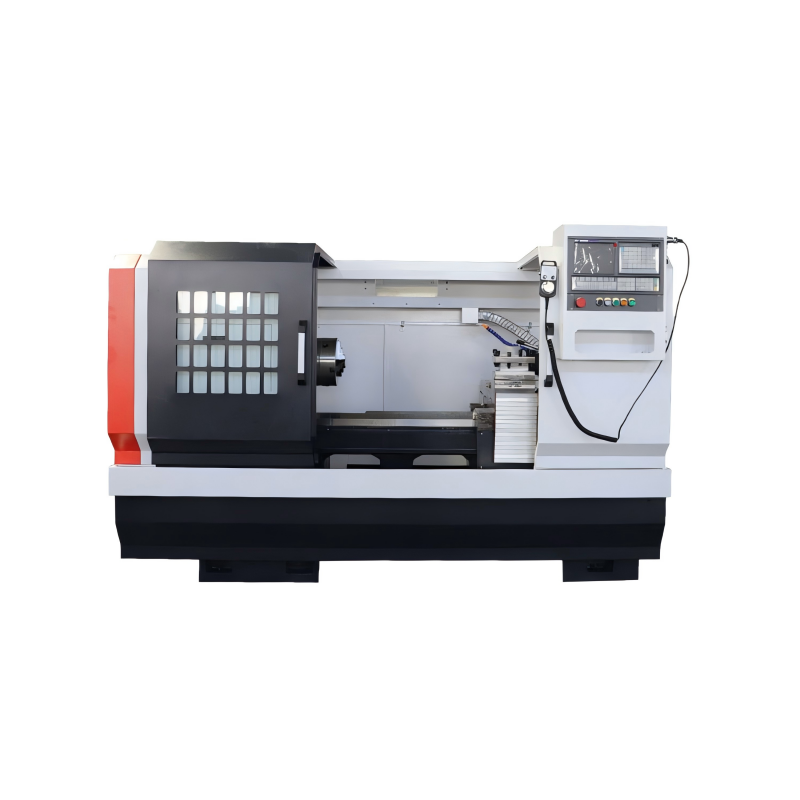
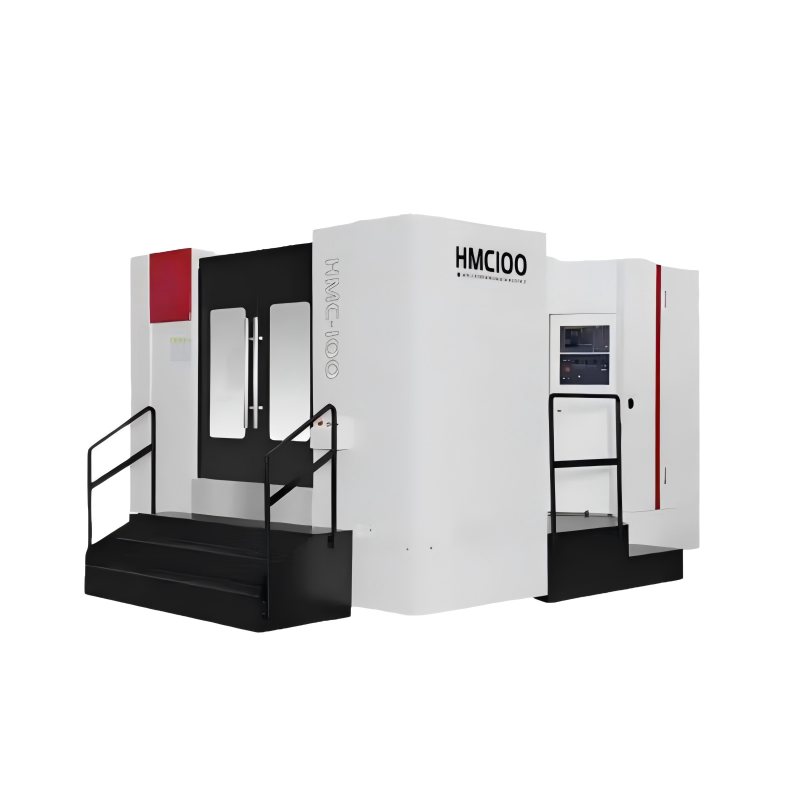
The evolution of machining technologies has been a testament to human ingenuity, with each generation of machines pushing the boundaries of precision, efficiency, and automation. Among these advancements, Fully automatic horizontal CNC lathe China stands out as a key player in the transformation of manufacturing processes. This report delves into the future of machining, focusing on the role of Slant Bed Lathes, which are poised to redefine the industry's standards.
China has emerged as a global leader in the production of Fully automatic horizontal CNC lathes. These machines are designed to handle a wide range of materials and complex geometries with unparalleled accuracy and speed. The integration of advanced control systems and high-precision tooling has made these lathes indispensable in various industries, from automotive to aerospace. The Chinese market's focus on innovation and cost-effectiveness has driven the development of highly efficient and reliable CNC lathes, making them a preferred choice for manufacturers worldwide.
Slant bed lathes represent a significant step forward in the design and functionality of CNC machines. Unlike traditional flat-bed lathes, slant bed lathes feature a tilted bed that provides several advantages:
These advantages make slant bed lathes particularly well-suited for high-volume, high-precision machining applications, where efficiency and reliability are paramount.
The future of slant bed lathes is being shaped by a series of technological innovations that are enhancing their capabilities and expanding their applications. Some of the key advancements include:
These technological advancements are not only enhancing the performance of slant bed lathes but also making them more versatile and adaptable to a wide range of manufacturing needs.
While the adoption of slant bed lathes is on the rise, there are several challenges and opportunities that the industry must address to fully realize their potential. Some of the key challenges include:
Despite these challenges, the opportunities presented by slant bed lathes are significant. As the global demand for high-precision and high-efficiency machining solutions continues to grow, the market for slant bed lathes is expected to expand. Additionally, the increasing focus on Industry 4.0 and smart manufacturing is driving the development of more connected and intelligent CNC lathes, further enhancing their value proposition.
The future of machining lies in the continued evolution of slant bed lathes, driven by technological innovation and the growing demand for high-precision, high-efficiency manufacturing solutions. As the Chinese market continues to lead in the production of fully automatic horizontal CNC lathes, the global manufacturing landscape is set to undergo a transformative shift. By addressing the challenges and capitalizing on the opportunities, manufacturers can position themselves at the forefront of this exciting new era in machining.
 29/06/2026
In the realm of modern manufacturing, efficiency and precision are paramount. The advent of advanced machinery such as the fully automatic horizontal CNC lathe from China has significantly transformed how industries approach production. This report delves
Read More29/06/2026The rapid advancement in manufacturing technologies, particularly within the realm of CNC (Computer Numerical Control) machining, has significantly transformed how complex parts are produced. This report delves into the sophisticated features of multi-axi
Read More29/06/2026China, as one of the world's largest manufacturing hubs, has been at the forefront of adopting advanced technologies to enhance its industrial capabilities. Among these, fully automatic horizontal CNC lathes have played a pivotal role in shaping the count
Read More29/06/2026In the realm of advanced manufacturing, the integration of fully automatic horizontal CNC lathes and 4-axis heavy horizontal machining centers has revolutionized the way complex parts are produced. This report delves into the capabilities, applications, a
Read More26/06/2026In the realm of modern manufacturing, the integration of advanced machinery has become a cornerstone for enhancing efficiency and precision. Among these, the fully automatic horizontal CNC lathe China stands out as an innovative solution that is reshaping
Read More26/06/2026In the realm of modern manufacturing, precision and efficiency are paramount. One of the key tools that have revolutionized the industry is the fully automatic horizontal CNC lathe. This article delves into how a reliable fully automatic horizontal CNC la
Read More26/06/2026A fully automatic horizontal CNC lathe from China is a highly efficient and versatile machine used in various manufacturing industries. Its ability to perform complex machining tasks with high precision makes it an indispensable tool for many workshops. H
Read More25/06/2026In the realm of manufacturing, precision and efficiency are paramount. The emergence of fully automatic horizontal CNC lathes from China has significantly transformed the industry, offering unparalleled capabilities and cost-effectiveness. This report del
Read More25/06/2026The manufacturing industry is witnessing a rapid transformation, driven by advancements in technology. One such area that has seen significant development is the production of fully automatic horizontal CNC lathes. These machines are essential for achievi
Read More25/06/2026In the rapidly evolving landscape of manufacturing, technological advancements have played a pivotal role in enhancing productivity, precision, and efficiency. One such innovation that has significantly impacted the industry is the fully automatic horizon
Read More24/06/2026In today’s competitive manufacturing landscape, the adoption of advanced machinery is crucial for businesses aiming to stay ahead. One such piece of equipment that has gained significant traction is the fully automatic horizontal CNC lathe. This technolog
Read More24/06/2026In the realm of modern manufacturing, the evolution of machining technologies has been nothing short of revolutionary. Among these advancements, the fully automatic horizontal CNC lathe stands out as a pivotal innovation, especially when it comes from Chi
Read More24/06/2026The Advantages of Automation in Modern MachiningAs the manufacturing industry continues to evolve, the adoption of advanced technologies becomes increasingly important. One such technology is the fully automatic horizontal CNC lathe, which offers numerous
Read More23/06/2026The manufacturing industry is continually evolving, with advancements in technology playing a crucial role in enhancing production efficiency. One such advancement is the fully automatic horizontal CNC lathe from China, which has revolutionized the way pr
Read More23/06/2026In the realm of modern manufacturing, the Fully automatic horizontal CNC lathe China has emerged as a critical tool for achieving high precision and efficiency. This guide aims to provide a comprehensive overview of operating such machinery, focusing on k
Read More23/06/2026The evolution of manufacturing technology has seen significant advancements over the years, with fully automatic horizontal CNC lathes playing a crucial role in precision engineering. These machines, particularly those produced in China, have become indis
Read More22/06/2026In the realm of precision machining, the fully automatic horizontal CNC lathe from China stands out as a beacon of technological advancement. This article delves into the intricacies and advantages of the high precision flat bed CNC lathe, highlighting it
Read More22/06/2026The advancement in manufacturing technology has brought about significant improvements in the efficiency and precision of production processes. Among these advancements, the fully automatic horizontal CNC lathe from China stands out as a transformative so
Read More22/06/2026Understanding the Basics of Fully Automatic Horizontal CNC LathesIn today's rapidly evolving manufacturing landscape, choosing the right machinery is crucial for maintaining a competitive edge. One such essential tool is the fully automatic horizontal CNC
Read More22/06/2026With the rapid development of manufacturing technology, the demand for precision and efficiency in machining processes has increased significantly. One of the key machines that have emerged to meet this demand is the fully automatic horizontal CNC lathe.
Read More22/06/2026In the realm of modern manufacturing, the adoption of advanced technologies plays a crucial role in enhancing productivity, precision, and overall efficiency. One such technology that has gained significant traction is the fully automatic horizontal CNC l
Read More16/06/2026As the demand for precision machining continues to grow, manufacturers are increasingly looking towards solutions that can fit into compact spaces without compromising on performance. One such solution is the fully automatic horizontal CNC lathe, which ha
Read MoreOur professional sales team is always ready to assist you.