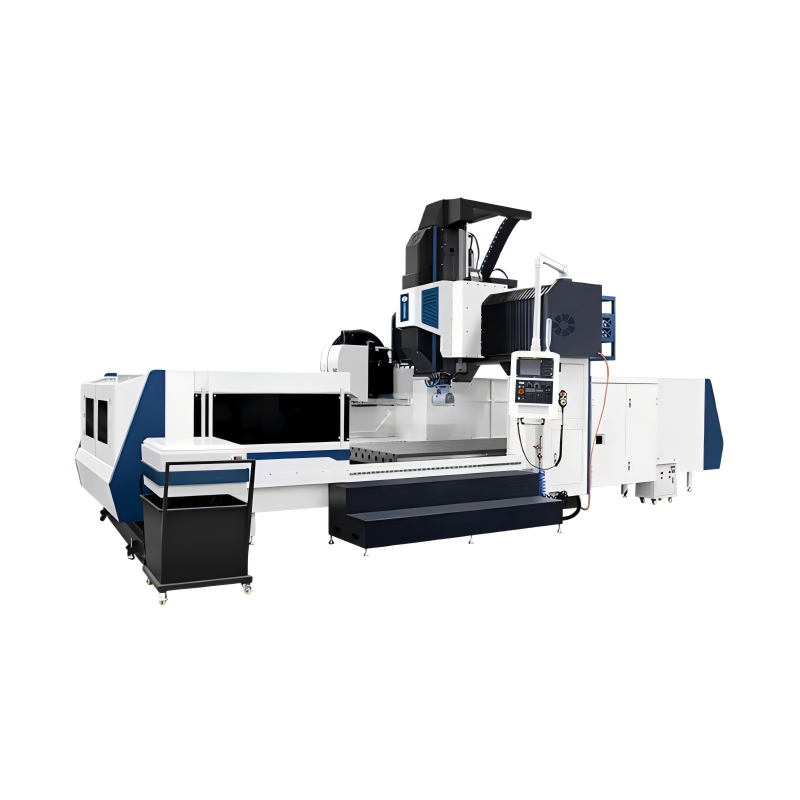
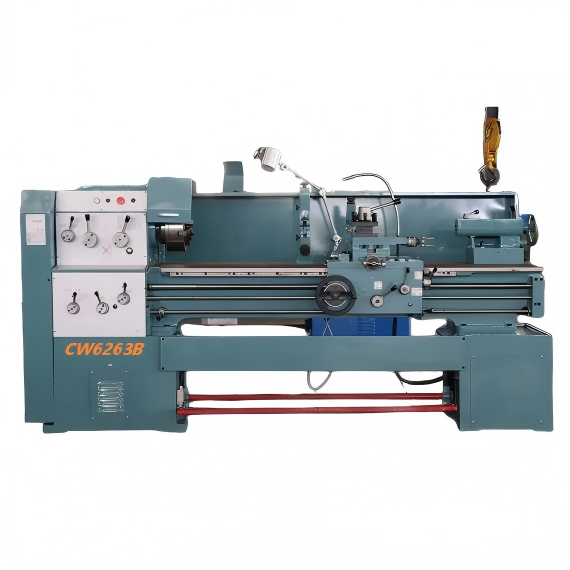
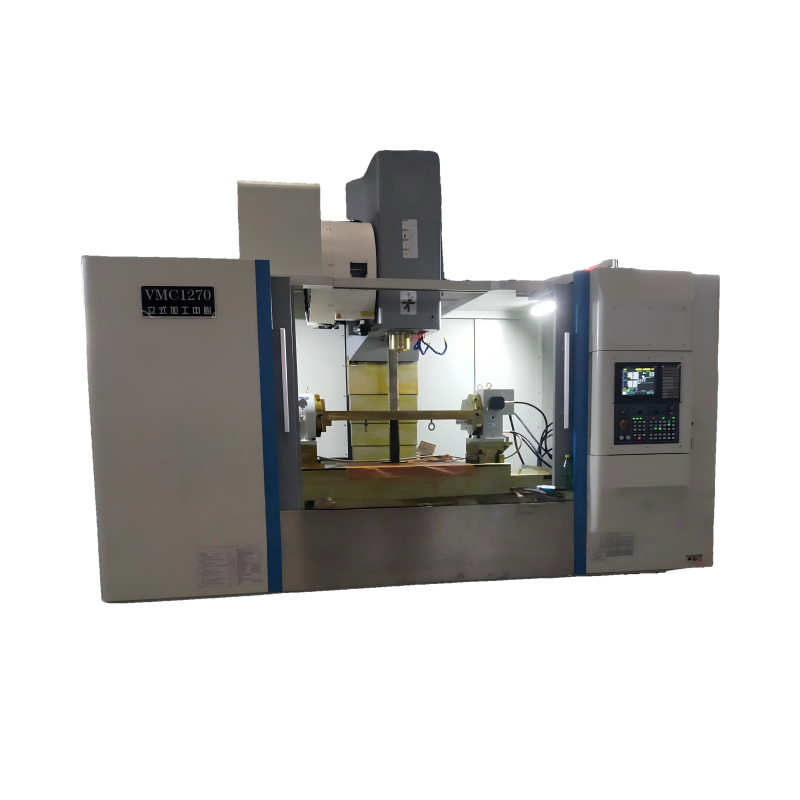
In today's competitive manufacturing landscape, the efficiency and flexibility of production processes are paramount. This technical report delves into the optimization of multi-axis CNC workcell configurations to maximize output, focusing on how strategic planning and advanced technologies can be leveraged for significant gains in productivity and quality. We will explore the importance of workcell design, the role of automation, integration with Industry 4.0, and the impact of continuous improvement methodologies. By understanding these key areas, manufacturers can unlock the full potential of their multi-axis CNC workcells, ensuring they remain at the forefront of innovation and operational excellence.
The physical layout of a multi-axis CNC workcell plays a crucial role in its overall efficiency. Proper placement of machines, raw materials, and finished goods can significantly reduce non-value-added activities such as material handling and setup times. A well-designed layout ensures that the flow of materials and components is smooth and logical, minimizing bottlenecks and maximizing throughput. For example, placing the most frequently used tools and materials closest to the operator or machine can save valuable time and improve ergonomics.
Ergonomics is often overlooked but is essential for maintaining high levels of productivity and worker satisfaction. An ergonomic workcell design considers the physical and mental well-being of operators, reducing fatigue and the risk of injury. This can be achieved through the use of adjustable workstations, proper lighting, and noise control measures. Additionally, incorporating automated material handling systems can further enhance ergonomics by reducing the need for manual lifting and repetitive motions, thereby improving both safety and efficiency.
One of the most effective ways to increase productivity in a multi-axis CNC workcell is through the integration of robotic systems. Robots can perform a wide range of tasks, from loading and unloading parts to performing complex machining operations. By automating material handling, manufacturers can achieve higher throughput rates, reduce cycle times, and minimize the risk of human error. Furthermore, robots can operate 24/7, providing a consistent and reliable workflow even during off-peak hours.
Modern multi-axis CNC workcells benefit greatly from advanced control systems that offer precise and consistent machining. These systems utilize real-time data and feedback loops to ensure that every operation is performed with the highest level of accuracy. Features such as adaptive control, which automatically adjusts cutting parameters based on the material and tool conditions, can significantly improve part quality and extend tool life. Additionally, predictive maintenance algorithms can help identify potential issues before they lead to downtime, further enhancing the overall reliability and efficiency of the workcell.
The advent of Industry 4.0 has brought about a new era of smart manufacturing, where data is the key driver of decision-making. In a multi-axis CNC workcell, sensors and IoT (Internet of Things) devices can collect vast amounts of data on machine performance, part quality, and environmental conditions. This data can be analyzed in real-time to provide actionable insights, enabling operators and managers to make informed decisions that optimize production processes. For instance, predictive analytics can forecast when a tool is likely to fail, allowing for proactive maintenance and minimizing unplanned downtime.
Industry 4.0 also emphasizes the importance of interconnected systems, where multiple workcells and machines can communicate and coordinate with each other. This connectivity, facilitated by technologies such as OPC UA (Open Platform Communications Unified Architecture), allows for seamless integration of different processes and equipment. For example, a multi-axis CNC workcell can be connected to an inventory management system, ensuring that the right materials are available at the right time. This not only improves efficiency but also enhances the flexibility of the entire production line, allowing for quick adjustments to meet changing customer demands.
Lean manufacturing is a proven methodology for eliminating waste and improving efficiency in any production environment. In a multi-axis CNC workcell, lean principles can be applied to streamline processes, reduce setup times, and minimize inventory. Techniques such as 5S (Sort, Set in Order, Shine, Standardize, Sustain) and Kaizen (continuous improvement) can help create a culture of continuous improvement, where every employee is empowered to identify and implement changes that drive productivity. Regular audits and reviews of the workcell's performance can also ensure that improvements are sustained over the long term.
A skilled and knowledgeable workforce is essential for the successful operation of a multi-axis CNC workcell. Continuous training and development programs can help operators and technicians stay up-to-date with the latest technologies and best practices. This not only enhances their skills but also boosts morale and job satisfaction. Training can cover a wide range of topics, from basic machine operation and maintenance to advanced programming and troubleshooting. Additionally, cross-training employees to perform multiple roles within the workcell can improve flexibility and resilience, ensuring that the workcell can continue to operate efficiently even in the face of unexpected challenges.
 08/06/2026
In the realm of advanced manufacturing, a multi-axis CNC workcell stands out as an essential tool for producing complex and precise components. This technical report aims to provide best practices for operating such a system, ensuring optimal performance,
Read More08/06/2026In the realm of modern manufacturing, multi-axis CNC workcells have emerged as a game-changing solution for producing complex and precise components. These advanced systems offer unparalleled flexibility and accuracy, making them indispensable in industri
Read More08/06/2026In the realm of advanced manufacturing, multi-axis CNC workcells have become indispensable tools for achieving high precision and flexibility in production processes. These sophisticated machines are designed to handle complex tasks that require multiple
Read More08/06/2026In the realm of custom fabrication, multi-axis CNC workcells have emerged as a transformative technology, offering unparalleled precision, flexibility, and efficiency. This report delves into the benefits of integrating multi-axis CNC workcells into custo
Read More08/06/2026In the realm of modern manufacturing, multi-axis CNC workcells stand out as a pinnacle of precision and efficiency. These sophisticated systems, capable of moving along multiple axes, are crucial for producing complex parts with high accuracy. However, th
Read More07/06/2026Exploring the Benefits of Multi-Axis CNC Workcells delves into the transformative impact of multi-axis CNC (Computer Numerical Control) workcells on modern manufacturing. This report highlights how these advanced systems not only enhance productivity and
Read More07/06/2026In the realm of modern manufacturing, the integration of advanced multi-axis CNC workcells has become a pivotal factor in boosting productivity. These sophisticated systems are designed to handle complex machining tasks with precision and efficiency, allo
Read More07/06/2026In the rapidly evolving field of manufacturing, multi-axis CNC workcell technology stands out as a pivotal innovation. This report delves into the advancements in multi-axis CNC workcell technology, exploring how these systems have transformed production
Read More07/06/2026Implementing a multi-axis CNC workcell is an endeavor that requires careful planning, technical expertise, and a thorough understanding of the manufacturing process. This report delves into the intricacies of setting up such a system, highlighting the key
Read More06/06/2026In the modern manufacturing landscape, multi-axis CNC workcells have emerged as a pivotal technology, revolutionizing the way products are designed, prototyped, and mass-produced. These advanced systems, capable of manipulating tools along multiple axes s
Read More06/06/2026Multi-axis CNC workcells are essential in modern manufacturing for their ability to perform complex operations with high precision and efficiency. However, maintaining these sophisticated machines is crucial to ensure they operate at optimal performance l
Read More06/06/2026Integrating a multi-axis CNC workcell into an existing production line can significantly enhance the efficiency, precision, and flexibility of manufacturing processes. This technical report delves into the various aspects of incorporating such advanced ma
Read More06/06/2026In the aerospace industry, where precision and efficiency are paramount, integrating multi-axis CNC workcells has become a key strategy for enhancing productivity. This report explores how these advanced manufacturing systems can be seamlessly integrated
Read More06/06/2026In today's fast-paced manufacturing environment, the adoption of advanced multi-axis CNC workcells is pivotal for enhancing both efficiency and accuracy. These sophisticated systems not only streamline production processes but also significantly reduce er
Read More05/06/2026In the realm of advanced manufacturing, the multi-axis CNC workcell stands out as a pinnacle of precision and versatility. This report delves into the capabilities of such a system, exploring its potential to transform production processes through enhance
Read More05/06/2026In the realm of modern manufacturing, precision and efficiency are paramount. The integration of multi-axis CNC workcells has revolutionized how complex parts are machined, offering unparalleled accuracy and versatility. This report delves into the transf
Read More05/06/2026In this comprehensive guide, we will delve into the intricate world of multi-axis CNC workcells, providing an in-depth look at their design, functionality, and applications. The multi-axis CNC workcell is a sophisticated manufacturing system that enables
Read More05/06/2026A Comprehensive Guide to Choosing the Right Multi-Axis CNC Workcell offers an in-depth analysis of the key factors that influence the selection process for multi-axis CNC workcells. This guide is designed to help manufacturers and engineers make informed
Read More05/06/2026In the rapidly evolving landscape of automotive manufacturing, multi-axis CNC workcells have emerged as a transformative force, significantly enhancing production efficiency, precision, and flexibility. These advanced systems are not only revolutionizing
Read More04/06/2026With the rapid advancements in manufacturing technology, multi-axis CNC workcells have emerged as a game-changer, transforming industries by enhancing productivity, precision, and flexibility. These advanced systems are capable of performing complex opera
Read More04/06/2026In the realm of modern manufacturing, multi-axis CNC workcells have emerged as a transformative force, reshaping how products are designed and produced. These advanced systems, which combine multiple axes of motion with computer numerical control (CNC), o
Read More04/06/2026In the realm of advanced manufacturing, the multi-axis CNC workcell stands out as a beacon of precision and flexibility. This technology integrates multiple axes of movement, allowing for complex geometries to be machined with unparalleled accuracy. The m
Read More04/06/2026In the rapidly evolving landscape of manufacturing, the integration of advanced technologies such as multi-axis CNC workcells is reshaping the industry. These sophisticated systems are not only enhancing productivity and precision but also enabling manufa
Read More04/06/2026In today's competitive manufacturing landscape, maximizing efficiency is crucial for staying ahead. A multi-axis CNC workcell offers a powerful solution to enhance productivity and precision. This report explores the benefits of integrating a multi-axis C
Read More04/06/2026In the rapidly evolving landscape of manufacturing, multi-axis CNC (Computer Numerical Control) workcells are emerging as a transformative force. These advanced systems offer unparalleled precision, flexibility, and efficiency, making them indispensable i
Read More04/06/2026In today's manufacturing landscape, the selection of an appropriate multi-axis CNC workcell is critical for enhancing productivity, precision, and flexibility. This technical report aims to guide manufacturers through the process of choosing the right mul
Read More04/06/2026In today's fast-paced manufacturing environment, the integration of a multi-axis CNC workcell can significantly enhance productivity and efficiency. This report delves into how adopting such advanced machinery not only optimizes production processes but a
Read More04/06/2026In the rapidly evolving landscape of precision machining, the multi-axis CNC workcell stands out as a transformative technology. This advanced manufacturing solution not only enhances the efficiency and accuracy of production processes but also opens up n
Read More04/06/2026In the rapidly evolving landscape of modern manufacturing, the integration of multi-axis CNC workcells has become a game-changer. These advanced systems offer unparalleled precision, flexibility, and efficiency, enabling manufacturers to produce complex p
Read MoreOur professional sales team is always ready to assist you.