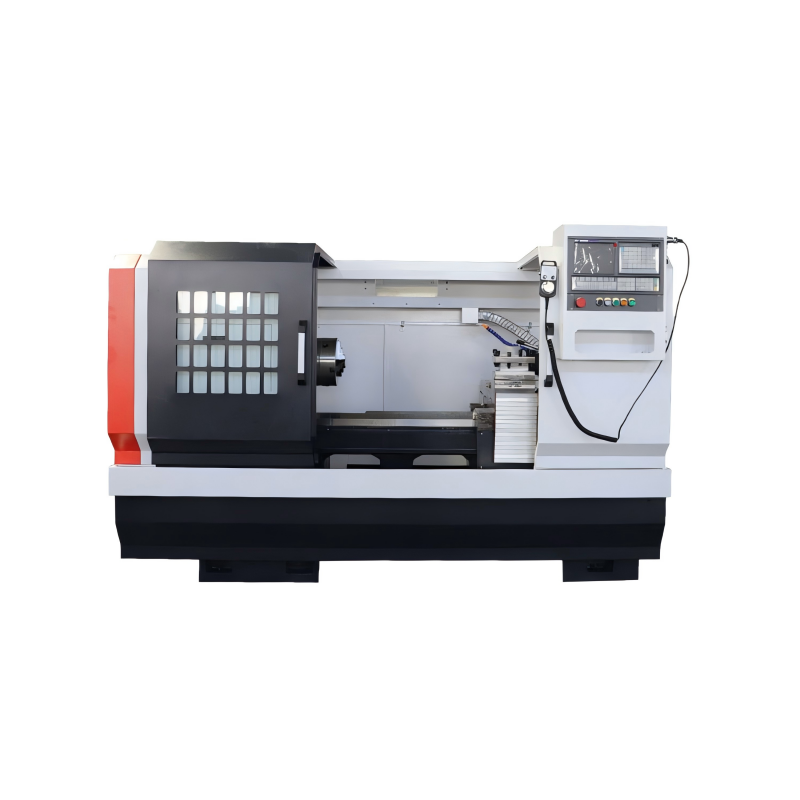
Flat bed lathes have long been a staple in the metalworking industry, known for their reliability and simplicity. These machines, which feature a flat bed design, are particularly well-suited for a wide range of machining tasks, from turning and facing to threading and drilling. This report aims to revisit the essential characteristics that make flat bed lathes a preferred choice among machinists, focusing on their reliability, ease of use, and adaptability.
The Time-Tested Reliability of Flat Bed Lathes
One of the most significant advantages of flat bed lathes is their proven reliability. Over the years, these machines have demonstrated an exceptional ability to perform consistently under various conditions. The robust construction, typically featuring a cast iron base and heavy-duty components, ensures minimal vibration and maximum stability during operation. This stability is crucial for achieving high-precision results, as even the slightest movement can lead to inaccuracies in the finished product. Additionally, the flat bed design allows for easy access to the workpiece, making it simpler to set up and adjust, which further contributes to the machine's overall reliability.
Simplicity in Design and Operation
Another key factor that sets flat bed lathes apart is their simplicity. The straightforward design makes them easy to operate, even for those with limited experience. The controls are intuitive, allowing operators to quickly learn and master the machine's functions. This simplicity also extends to maintenance, as the fewer moving parts and open design make it easier to clean, lubricate, and inspect the machine. Regular maintenance is critical for ensuring the longevity and performance of the lathe, and the ease with which this can be done with a flat bed lathe is a significant advantage. Furthermore, the simple design reduces the likelihood of mechanical failures, leading to lower downtime and higher productivity.
Versatility and Adaptability in Metalworking
Flat bed lathes are highly versatile and adaptable, capable of handling a wide variety of materials and tasks. Whether working with steel, aluminum, brass, or other metals, these lathes can produce precise and consistent results. The flat bed design allows for the use of different tooling and accessories, enabling machinists to perform a range of operations such as turning, facing, threading, and drilling. This versatility is particularly valuable in a production environment where multiple tasks may need to be performed on a single workpiece. Additionally, the ability to easily reconfigure the machine for different jobs makes it a cost-effective solution for shops that require flexibility in their operations.
In conclusion, the reliability, simplicity, and versatility of flat bed lathes continue to make them a popular choice in the metalworking industry. Their robust construction, intuitive controls, and adaptability to various tasks ensure that they remain a reliable and efficient tool for machinists. As technology continues to advance, the fundamental principles that make flat bed lathes so effective will likely continue to be valued, ensuring their place in the modern workshop.
 29/06/2026



