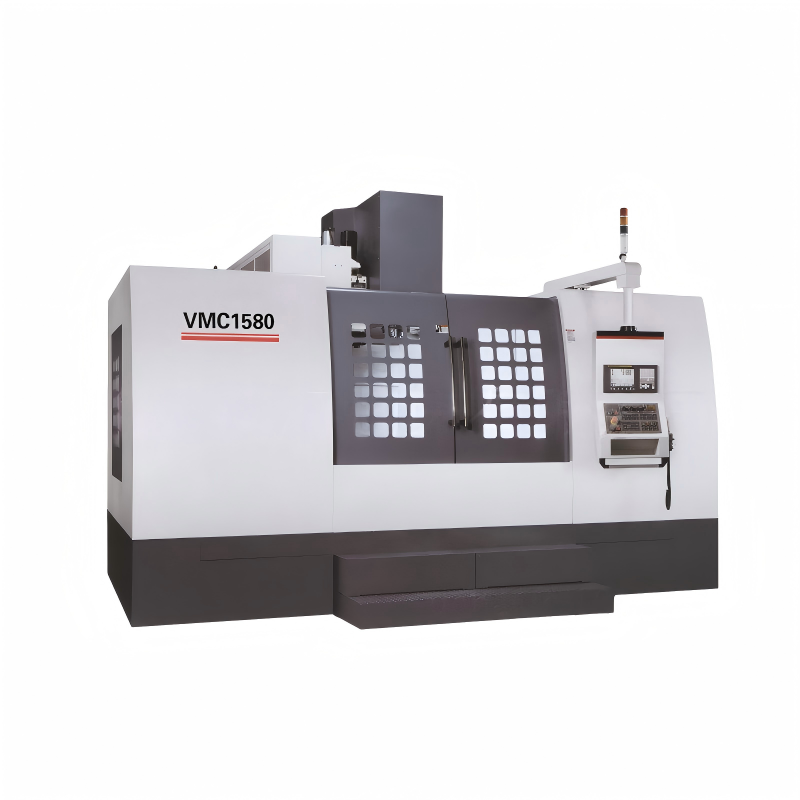
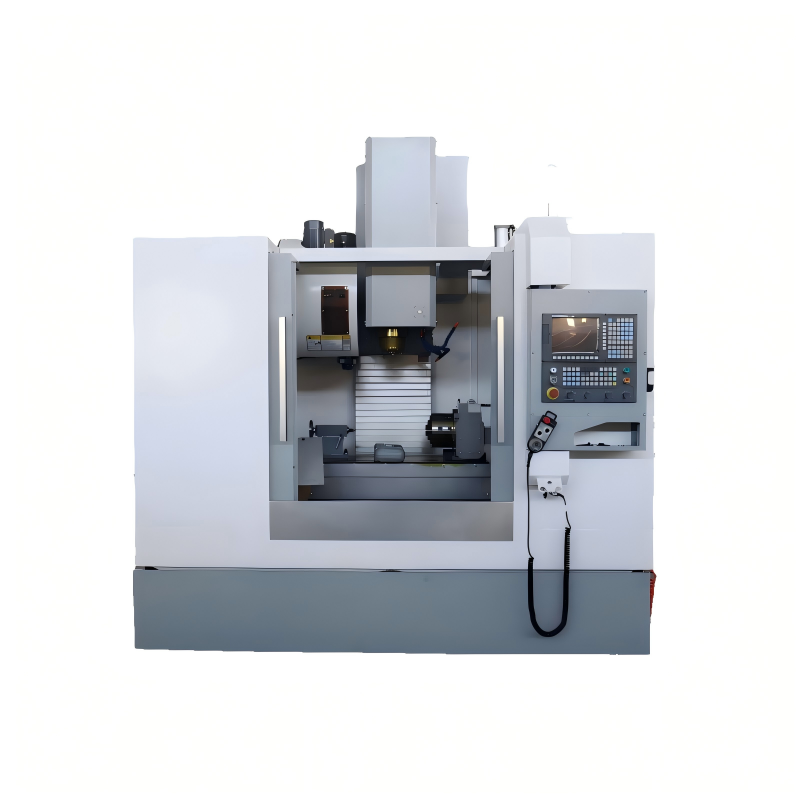
In the rapidly evolving world of manufacturing, precision and efficiency are key drivers for success. One area where these factors play a particularly critical role is in mold making. The introduction of state-of-the-art Precision VMC (Vertical Machining Center) machines has transformed this field, offering unparalleled accuracy and productivity. This report explores how these advanced machines are revolutionizing the mold making industry, highlighting their impact on quality, production speed, and overall cost-effectiveness.
Enhancing Quality through Advanced Technology
The adoption of Precision VMC for Mold Making represents a significant leap forward in terms of product quality. These machines are designed with cutting-edge technology that allows for extremely precise machining, down to micrometer levels. This level of detail is crucial in mold making, as even the slightest deviation can result in defective parts. By using Precision VMCs, manufacturers can ensure that every mold produced meets the highest standards of accuracy and consistency. This not only improves the final product but also reduces waste and rework, leading to a more sustainable manufacturing process.
Moreover, the use of computer-aided design (CAD) and computer-aided manufacturing (CAM) software in conjunction with Precision VMCs enables the creation of highly complex molds that were previously impossible or impractical to produce. The ability to machine intricate geometries and fine details directly translates into better performance and durability of the end products, whether they are used in automotive, electronics, or consumer goods industries.
Boosting Productivity and Reducing Lead Times
One of the most compelling benefits of employing Precision VMCs in mold making is the substantial increase in productivity. Traditional methods often involve multiple setups and manual adjustments, which can be time-consuming and labor-intensive. In contrast, modern Precision VMCs feature automated tool changers, high-speed spindles, and advanced control systems that minimize downtime and maximize throughput. This automation not only speeds up the production process but also ensures that each step is executed with precision, reducing the likelihood of errors and defects.
Additionally, the integration of real-time monitoring and predictive maintenance technologies in these machines further enhances operational efficiency. Sensors and analytics tools can detect potential issues before they become major problems, allowing for proactive maintenance and minimizing unexpected breakdowns. As a result, manufacturers can achieve higher utilization rates and shorter lead times, making it easier to meet tight deadlines and respond quickly to market demands.
Cost-Effectiveness and Long-Term Benefits
While the initial investment in Precision VMCs may seem high, the long-term financial benefits far outweigh the costs. Firstly, the reduction in material waste and rework due to improved accuracy significantly lowers the overall production expenses. Secondly, the increased productivity and faster turnaround times enable companies to take on more projects, thereby boosting revenue. Furthermore, the enhanced quality of the molds leads to longer-lasting products, which can reduce the frequency of replacements and repairs, saving both time and money for the end-users.
Another important aspect is the versatility of Precision VMCs. These machines can handle a wide range of materials, from metals and plastics to composites, making them suitable for various applications across different industries. This flexibility means that manufacturers do not need to invest in multiple specialized machines, thus reducing capital expenditures and simplifying the production setup. Additionally, the ability to produce high-quality molds in-house can eliminate the need for outsourcing, providing greater control over the manufacturing process and potentially lowering supply chain costs.
In conclusion, the integration of Precision VMCs into the mold making process is a game-changer for the manufacturing industry. By enhancing quality, boosting productivity, and offering cost-effective solutions, these advanced machines are setting new standards for what is possible in mold making. As technology continues to advance, the potential for further improvements and innovations in this field is immense, promising a future where precision and efficiency go hand in hand.

 20/06/2026



