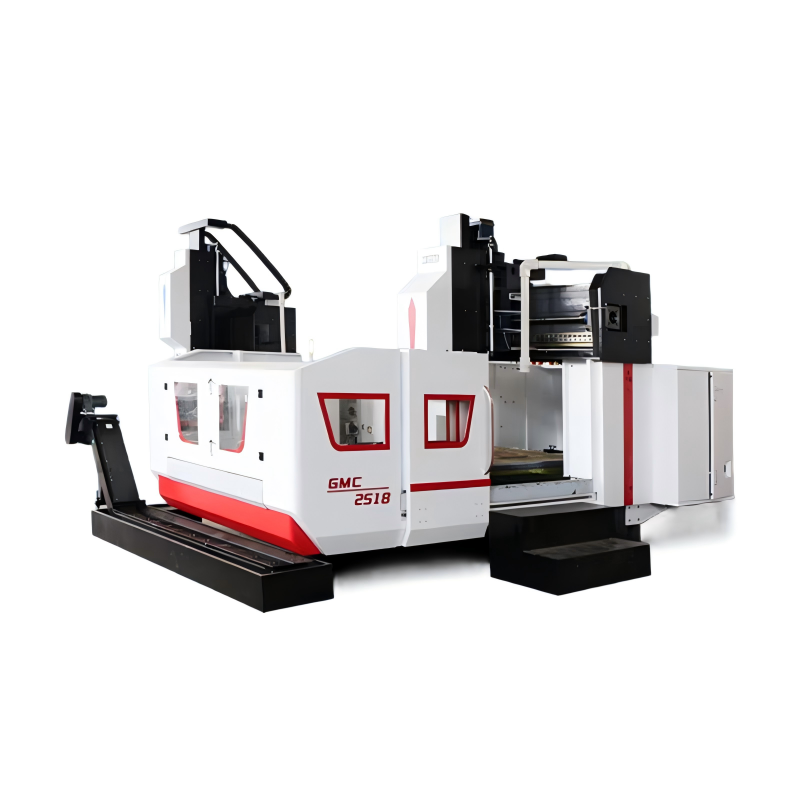
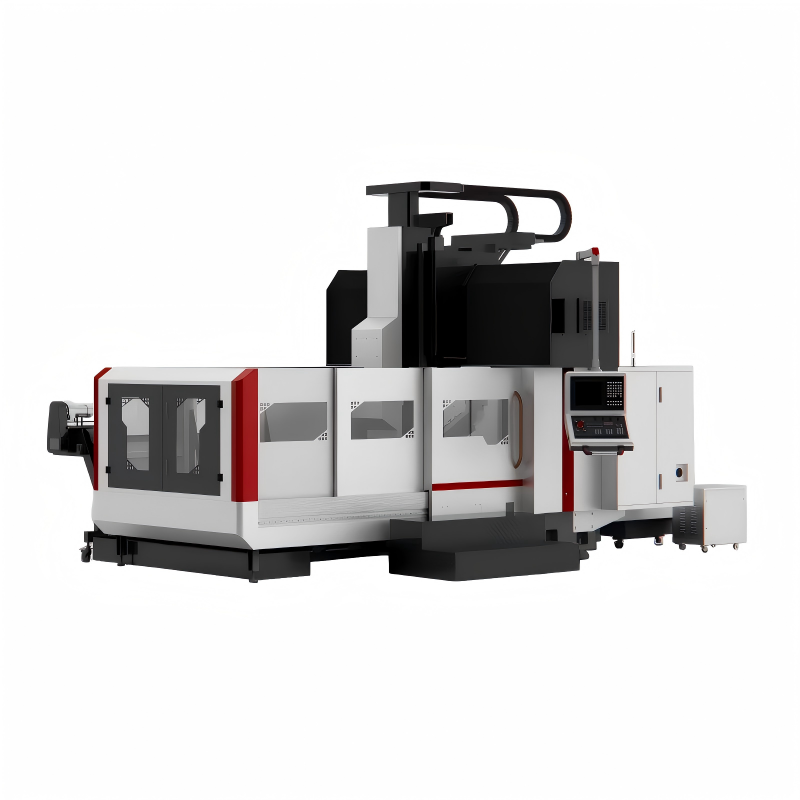
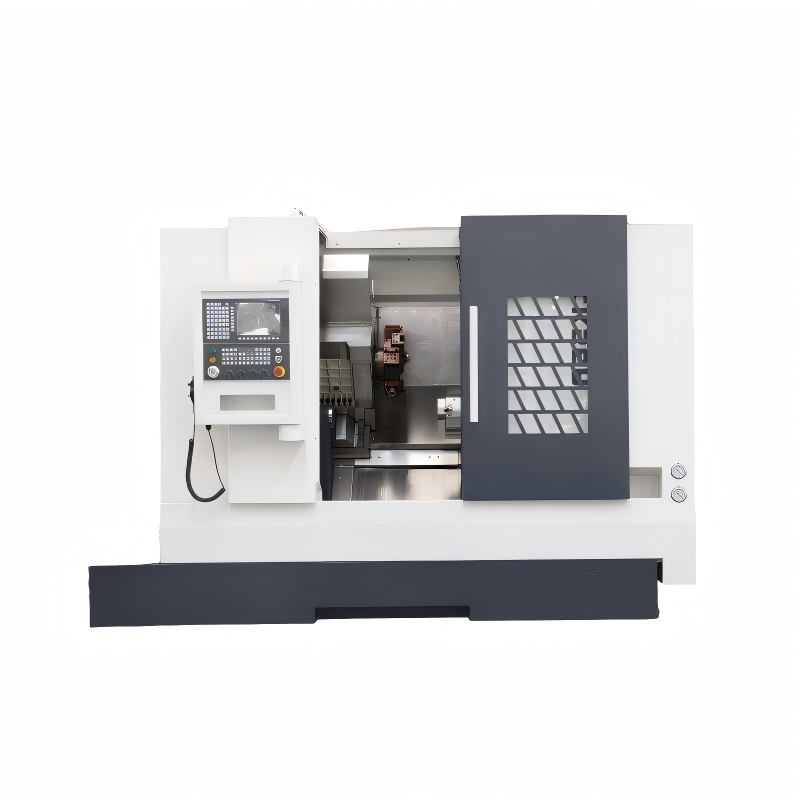
In the world of manufacturing, precision is not just a preference but a necessity, especially when it comes to mold making. The introduction and evolution of Precision Vertical Machining Centers (VMC) have significantly transformed this industry by enhancing the accuracy, efficiency, and versatility of the mold production process. This technical report delves into the critical aspects of how Precision VMC impacts mold accuracy, providing insights that are valuable for engineers, manufacturers, and anyone interested in improving their understanding of modern machining technologies.
Over the years, advancements in technology have led to the development of more sophisticated machinery, with Precision VMCs standing out as a prime example. These machines are designed with advanced features such as high-resolution linear scales, direct drive motors, and enhanced spindle designs, which contribute to achieving unprecedented levels of precision. By integrating these innovations, Precision VMCs can produce molds with tighter tolerances than ever before, leading to improvements in the quality and consistency of the final products. This section will explore the key technological milestones and how they have shaped the current capabilities of Precision VMCs used in mold making.
One of the most significant factors contributing to the improved performance of Precision VMCs in mold making is the implementation of advanced control systems. Modern control systems utilize real-time feedback mechanisms, adaptive control algorithms, and predictive maintenance capabilities, enabling the machine to self-adjust during operations. This dynamic adjustment minimizes errors caused by tool wear, thermal expansion, or mechanical vibrations, thereby maintaining consistent high accuracy throughout the machining process. Additionally, the use of simulation software allows for pre-production testing, further ensuring that the actual machining closely matches the digital design, reducing discrepancies between the intended and produced mold geometries.
The choice of materials plays a crucial role in determining the overall success of a mold-making project, particularly when employing Precision VMCs. Different materials require specific cutting conditions, including speed, feed rate, and coolant application, all of which affect the surface finish, dimensional stability, and ultimately, the accuracy of the mold. High-performance alloys and composite materials, while offering superior properties like durability and heat resistance, also present challenges in terms of machinability. Understanding these material-specific requirements and optimizing the machining parameters accordingly is essential for maximizing the benefits of Precision VMC technology. This part of the report examines various types of commonly used mold materials, discussing their characteristics and how best to work with them using Precision VMCs to achieve optimal results.
In conclusion, the integration of Precision VMC for Mold Making has revolutionized the way molds are manufactured, setting new standards for accuracy, productivity, and cost-effectiveness. As we continue to see advancements in this field, it becomes increasingly important for professionals to stay informed about the latest developments and understand how to leverage these tools effectively. By adopting the strategies outlined in this report, manufacturers can not only improve their product quality but also gain a competitive edge in an ever-evolving market.
 20/06/2026
In the rapidly evolving world of manufacturing, precision and efficiency are key drivers for success. One area where these factors play a particularly critical role is in mold making. The introduction of state-of-the-art Precision VMC (Vertical Machining
Read More20/06/2026In the world of mold making, precision is not just a preference but a necessity. The right machine can make all the difference between a successful project and one that falls short. Among the various types of machines available, the Precision VMC (Vertica
Read More19/06/2026In the realm of mold making, precision is not just a preference; it's an absolute necessity. The ability to produce molds with high accuracy directly impacts the quality and functionality of the final products. This technical report delves into how advanc
Read More19/06/2026In the world of mold making, precision is not just a preference; it's an absolute necessity. The ability to create molds with intricate details and high accuracy can significantly impact the quality and efficiency of the final product. This report explore
Read More19/06/2026Introduction to Precision VMC Technology The manufacturing industry, particularly in the realm of mold making, is constantly evolving. One key driver of this evolution is the advancement in precision VMC (Vertical Machining Center) technology. These machi
Read More18/06/2026In the realm of mold making, precision is not just a desirable attribute; it's an absolute necessity. The advent of Precision Vertical Machining Centers (VMC) has revolutionized how complex molds are designed and manufactured, offering unparalleled accura
Read More18/06/2026In the rapidly evolving world of manufacturing, precision and efficiency are paramount. One area where these factors play a crucial role is in mold making, an industry that demands high accuracy and repeatability. The introduction of Precision VMC for Mol
Read More18/06/2026Understanding the Role of Precision VMC in Mold MakingThe precision Vertical Machining Center (VMC) plays a pivotal role in the mold making industry, where accuracy and repeatability are paramount. These machines are designed to handle complex operations
Read More18/06/2026In the realm of mold making, achieving high-quality results is paramount. The advent of Precision VMC (Vertical Machining Center) has revolutionized this field, enabling manufacturers to produce molds with unparalleled accuracy and efficiency. This report
Read More18/06/2026In the realm of mold production, precision is not just a preference but an absolute necessity. The integration of Precision VMC (Vertical Machining Center) into the manufacturing process has revolutionized the way molds are produced, significantly enhanci
Read More18/06/2026In the realm of modern manufacturing, the demand for precision and efficiency has never been higher. One tool that stands out in meeting these demands is the Precision VMC (Vertical Machining Center) for mold making. This technology not only enhances the
Read MoreOur professional sales team is always ready to assist you.