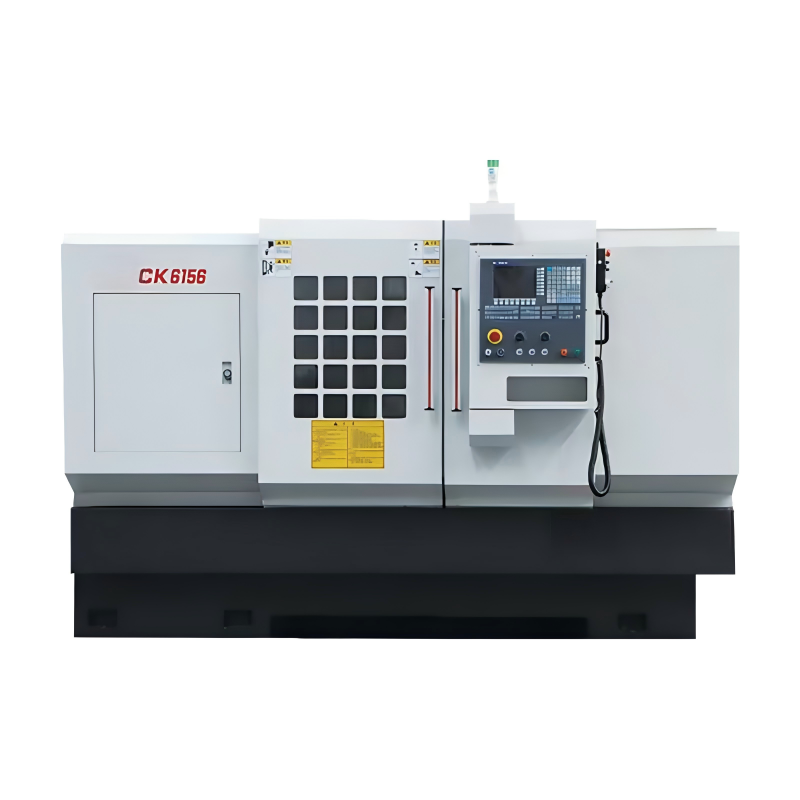
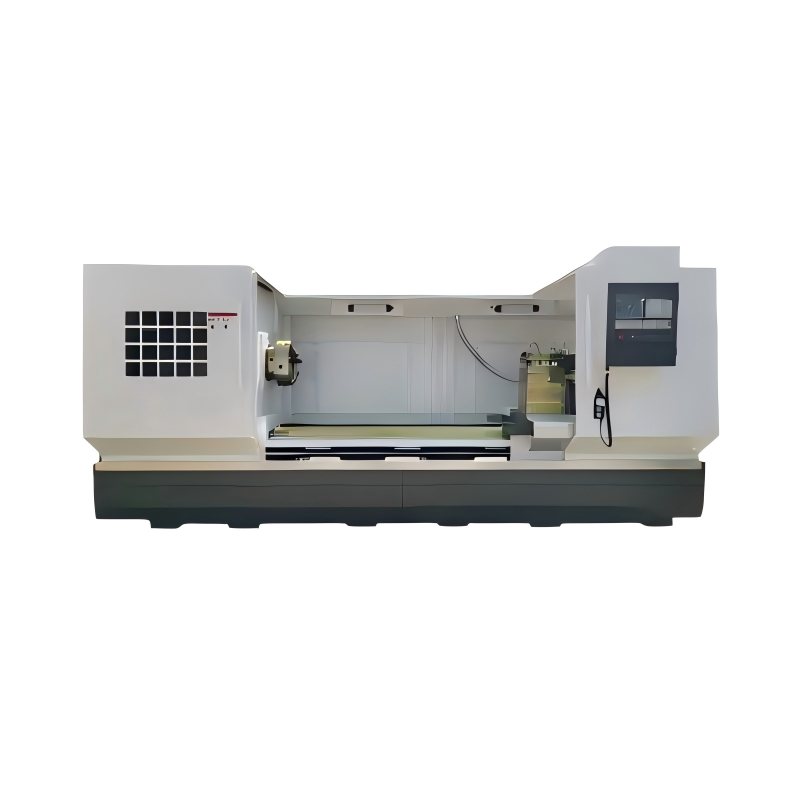
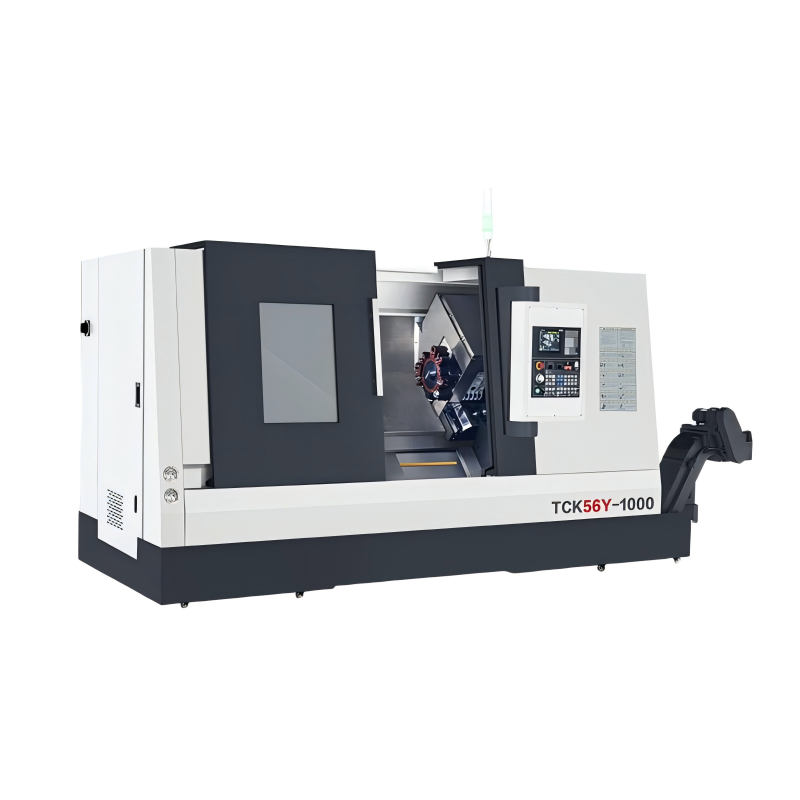
The field of manufacturing has witnessed significant advancements over the years, with the Universal Milling Machine playing a pivotal role in shaping modern industrial practices. This versatile tool, capable of performing a wide range of operations, has evolved from its early mechanical forms to sophisticated, computer-controlled systems. In this report, we will explore the key developments that have transformed the universal milling machine, enhancing its precision, efficiency, and versatility.
The first major leap in the evolution of the universal milling machine was the transition from manual to automated control systems. Initially, these machines were operated entirely by hand, requiring skilled operators to manually adjust the settings for each operation. This method, while effective, was time-consuming and prone to human error. The introduction of numerical control (NC) systems in the 1950s marked a significant turning point. NC systems allowed for the pre-programming of machine movements, reducing the need for manual intervention and increasing the accuracy and repeatability of the milling process.
Further advancements led to the development of computer numerical control (CNC) systems, which integrated computers into the control process. CNC machines use digital inputs to control the movement of the cutting tools, enabling more complex and precise operations. The adoption of CNC technology has revolutionized the manufacturing industry, allowing for the production of intricate parts with high precision and consistency. The Universal Milling Machine, equipped with CNC capabilities, can now perform a wide array of tasks, from simple drilling to complex contouring, all with minimal human oversight.
Another critical advancement in the universal milling machine is the improvement in tooling and materials used. Early milling machines relied on basic cutting tools made from high-speed steel, which, while durable, had limitations in terms of wear resistance and cutting speed. The introduction of carbide and ceramic cutting tools has significantly enhanced the performance of these machines. These advanced materials offer superior hardness and wear resistance, allowing for higher cutting speeds and longer tool life.
Additionally, the development of specialized coatings, such as titanium nitride (TiN) and diamond-like carbon (DLC), has further improved the durability and efficiency of cutting tools. These coatings reduce friction and heat generation, leading to smoother cuts and extended tool life. The use of advanced materials and coatings in the Universal Milling Machine has not only increased the precision and accuracy of the milling process but also reduced maintenance costs and downtime.
The integration of digital technologies has been another game-changer in the evolution of the universal milling machine. Modern CNC machines are often equipped with sensors and monitoring systems that provide real-time data on various parameters, such as tool wear, temperature, and vibration. This data can be analyzed to optimize the machining process, ensuring that the machine operates at peak efficiency and minimizing the risk of errors or breakdowns.
Furthermore, the advent of Industry 4.0 and the Internet of Things (IoT) has enabled the connectivity of milling machines to broader manufacturing networks. This connectivity allows for remote monitoring and control, predictive maintenance, and seamless integration with other manufacturing processes. For example, a Universal Milling Machine can be connected to a central control system, which can automatically adjust the machine's settings based on the specific requirements of the part being manufactured. This level of automation and real-time optimization has significantly enhanced the productivity and flexibility of modern manufacturing operations.
The Universal Milling Machine has become increasingly versatile, capable of handling a wide range of materials and performing a variety of operations. One of the key factors contributing to this versatility is the modular design of modern milling machines. Many contemporary machines feature interchangeable tool holders and workholding devices, allowing for quick and easy reconfiguration to suit different tasks. This modularity enables manufacturers to adapt their machines to meet the specific needs of various applications, from aerospace to automotive and beyond.
Moreover, the ability to customize the software and control systems of CNC machines has further expanded their capabilities. Manufacturers can develop and implement custom programs and macros to automate specific processes, streamline workflows, and improve overall efficiency. This level of customization allows the Universal Milling Machine to be tailored to the unique requirements of individual projects, ensuring optimal performance and results.
In recent years, there has been a growing emphasis on sustainability and energy efficiency in the manufacturing sector. The Universal Milling Machine has not been left behind in this trend. Modern machines are designed with energy-efficient components and features, such as variable speed drives and regenerative braking systems, which help to reduce power consumption and minimize waste. Additionally, the use of lightweight materials and optimized designs has contributed to lower energy usage and reduced environmental impact.
Furthermore, the integration of recycling and waste management systems in the manufacturing process has also played a crucial role in promoting sustainability. For example, coolant and lubricant recycling systems can be implemented to reduce the amount of waste generated during the milling process. By adopting these sustainable practices, manufacturers can not only reduce their environmental footprint but also achieve cost savings and improve their corporate image.
In conclusion, the evolution of the Universal Milling Machine has been driven by continuous innovation and the integration of advanced technologies. From the transition to automated control systems to the use of advanced materials and digital monitoring, these advancements have significantly enhanced the precision, efficiency, and versatility of milling operations. As the manufacturing industry continues to evolve, the Universal Milling Machine will undoubtedly remain a cornerstone of modern production, adapting to new challenges and opportunities with ongoing improvements and innovations.
 28/06/2026
A universal milling machine is an essential piece of equipment in the manufacturing and engineering sectors, capable of performing a wide range of operations with precision and efficiency. This guide aims to provide a comprehensive understanding of how to
Read More27/06/2026The selection of a Universal Milling Machine is a critical decision for any workshop, influencing not only the quality and efficiency of work but also long-term operational costs. This guide aims to provide a comprehensive overview on how to choose the ri
Read More26/06/2026Introduction to Universal Milling MachinesThe universal milling machine is a versatile piece of equipment that has become an indispensable tool in various industries, including automotive, aerospace, and manufacturing. Its ability to perform a wide range
Read More25/06/2026The universal milling machine is a versatile piece of equipment that has been a cornerstone in the manufacturing and engineering industries for decades. Its ability to perform a wide range of operations, from simple to complex, makes it an indispensable t
Read MoreOur professional sales team is always ready to assist you.