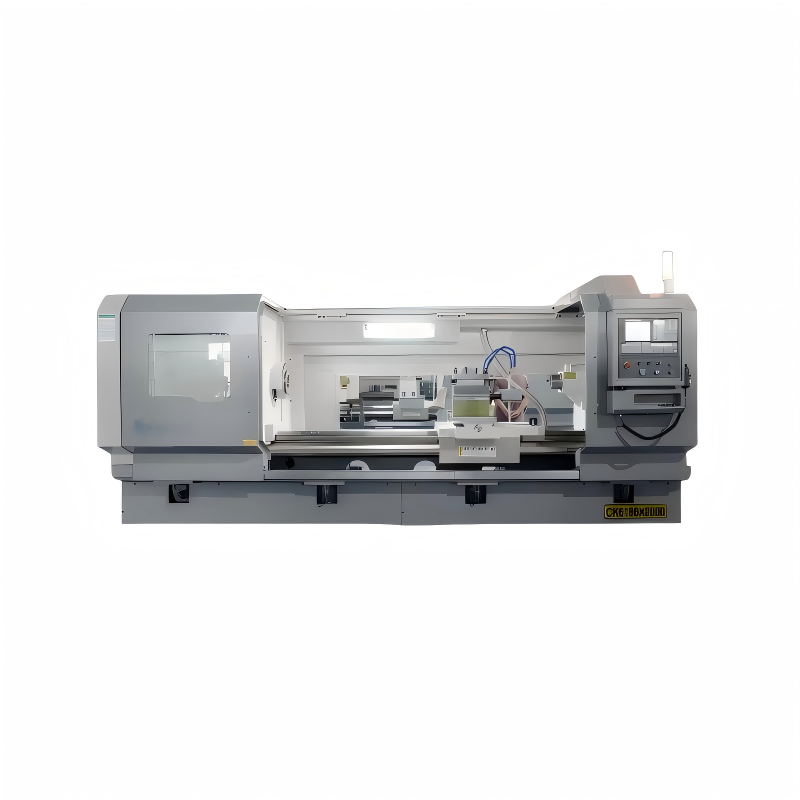
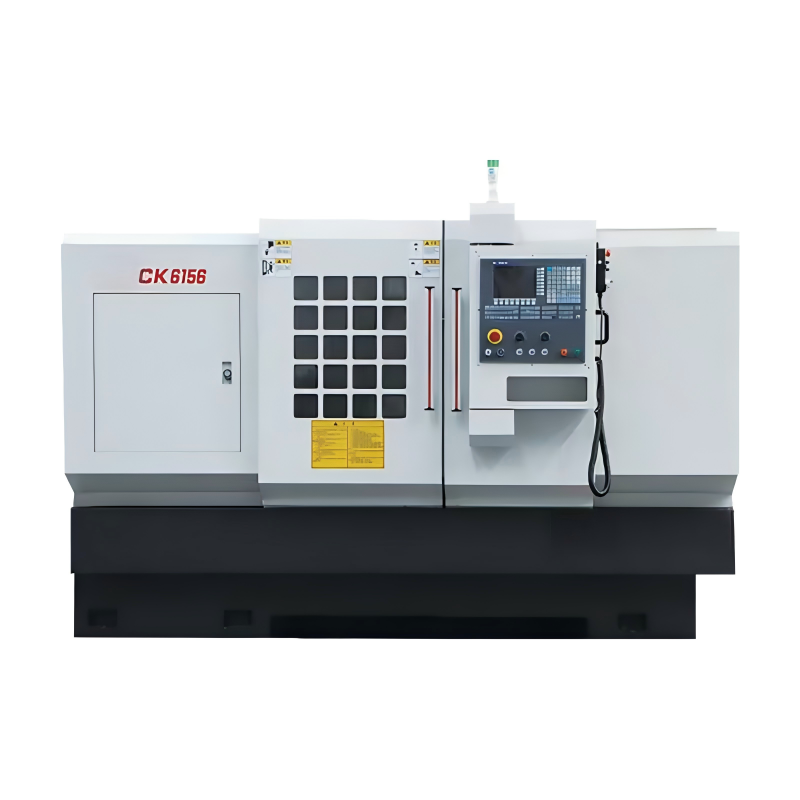
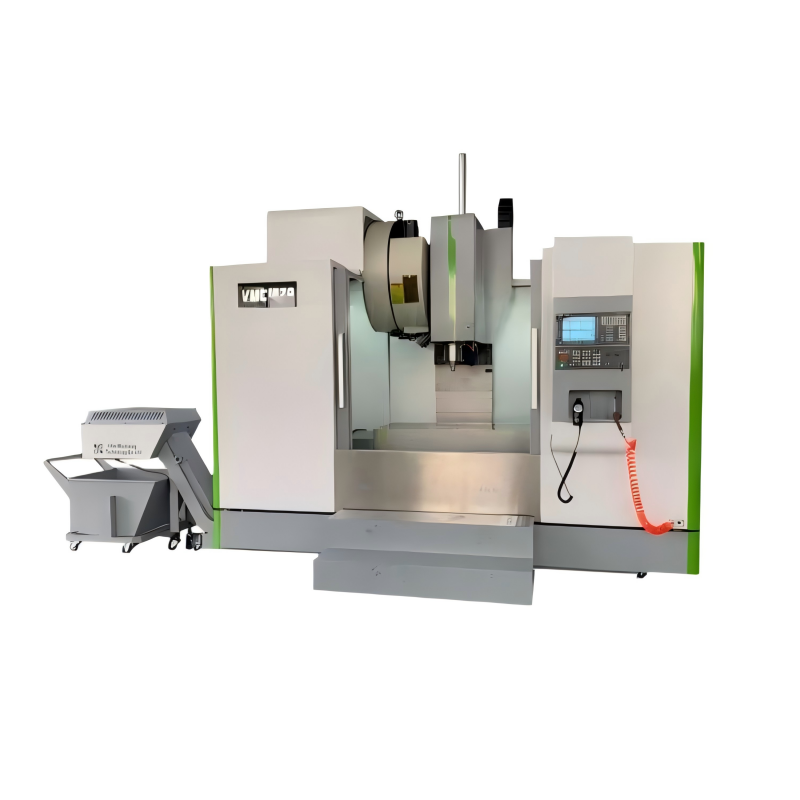
In the ever-evolving landscape of manufacturing, Machining Centers have become indispensable tools for precision and efficiency. This technical report delves into the top trends in machining center design and functionality, highlighting advancements that are reshaping the industry. From enhanced automation and integration to improved sustainability and user-friendly interfaces, this document provides a comprehensive overview of how modern machining centers are adapting to meet the demands of today's market. By exploring these trends, manufacturers can gain insights into optimizing their operations and staying ahead of the competition.
The integration of robotics in machining centers is on the rise, enabling more precise and efficient operations. Robotic arms can perform tasks such as loading and unloading, tool changes, and even part inspection, reducing the need for human intervention and minimizing downtime. This trend not only enhances productivity but also improves safety by removing operators from hazardous environments.
Modern machining centers are equipped with advanced control systems that offer real-time monitoring and data analysis. These systems can predict maintenance needs, optimize tool paths, and adjust parameters to ensure consistent quality. The use of artificial intelligence (AI) and machine learning (ML) algorithms further enhances the capabilities of these control systems, making them more adaptive and responsive to changing conditions.
Machining centers are increasingly being integrated with MES to create a seamless flow of information across the entire production line. This integration allows for better coordination between different stages of the manufacturing process, from raw material handling to final product assembly. Real-time data exchange enables more accurate scheduling, inventory management, and quality control, leading to significant improvements in overall efficiency.
Manufacturers are placing a greater emphasis on energy efficiency to reduce operational costs and environmental impact. Machining centers now incorporate energy-saving technologies such as variable frequency drives (VFDs), regenerative braking, and smart power management systems. These innovations help to minimize energy consumption without compromising performance, making machining centers more sustainable and cost-effective.
The use of eco-friendly materials and coolants is another key trend in machining center design. Biodegradable and non-toxic coolants are becoming more prevalent, reducing the environmental footprint of machining operations. Additionally, the adoption of recycled or sustainably sourced materials for components and accessories is gaining traction, contributing to a more circular economy in the manufacturing sector.
Efforts to reduce waste and promote recycling are also a focus in modern machining centers. Advanced filtration systems and chip management solutions help to minimize the amount of coolant and metal chips generated during the machining process. These systems not only reduce waste but also make it easier to recycle materials, thereby lowering disposal costs and environmental impact.
One of the most significant trends in machining center design is the shift towards intuitive touchscreen interfaces. These user-friendly interfaces simplify operation and programming, making it easier for operators to set up and monitor machining processes. Touchscreens often feature graphical displays, step-by-step instructions, and customizable settings, enhancing usability and reducing the learning curve for new operators.
The integration of AR and VR technologies is revolutionizing the way operators interact with machining centers. AR can provide real-time visual guidance, helping operators to identify and resolve issues quickly. VR, on the other hand, can be used for training and simulation, allowing operators to practice and refine their skills in a safe and controlled environment. These technologies enhance operator confidence and proficiency, leading to better performance and fewer errors.
Remote monitoring and maintenance capabilities are becoming standard features in modern machining centers. Through cloud-based platforms, operators and maintenance teams can access real-time data and diagnostic information from anywhere. This remote access allows for proactive maintenance, reducing downtime and extending the lifespan of the machinery. Additionally, remote support can be provided by manufacturers, ensuring that any issues are resolved quickly and efficiently.
 14/06/2026
In the realm of modern manufacturing, a Machining Center stands as an indispensable tool for enhancing productivity and precision. This technical report delves into the intricacies of utilizing a Machining Center effectively, offering valuable tips and tr
Read More14/06/2026Machining centers, as versatile and efficient tools in modern manufacturing, play a crucial role in the production of precision components. Proper maintenance and care are essential to ensure their optimal performance, longevity, and safety. This comprehe
Read More10/06/2026In today's rapidly evolving industrial landscape, machining centers have become indispensable tools for manufacturing precision components across various sectors. This report delves into the multifaceted role of machining centers, exploring their impact o
Read More08/06/2026A high-performance machining center is an essential asset for any modern manufacturing facility, offering unparalleled precision, efficiency, and versatility. When selecting a machining center, it's crucial to consider several key features that will ensur
Read More07/06/2026In the realm of precision engineering, the advent of advanced machining centers has heralded a new era of efficiency and accuracy. These sophisticated machines, equipped with cutting-edge technology, have transformed the way industries approach manufactur
Read More06/06/2026In the realm of manufacturing, Machining Center technology has emerged as a cornerstone for precision and efficiency. This report delves into the multifaceted advantages and applications of modern machining centers, highlighting how these advanced machine
Read More05/06/2026Choosing the right Machining Center for your specific needs is a critical decision that can significantly impact the efficiency, quality, and cost-effectiveness of your manufacturing processes. This guide aims to provide you with a comprehensive understan
Read More04/06/2026In the ever-evolving landscape of manufacturing, Machining Center innovations are playing a pivotal role in shaping the future. These advanced machines, designed to perform multiple operations with high precision and efficiency, are not only improving pro
Read More04/06/2026In the rapidly evolving aerospace industry, machining centers have emerged as pivotal tools for advancing manufacturing processes. These advanced machines not only enhance productivity but also play a crucial role in maintaining the high standards of prec
Read More03/06/2026IntroductionIn the realm of modern manufacturing, machining centers play a pivotal role in transforming raw materials into finished products. These advanced machines are designed to perform multiple operations such as milling, drilling, and turning, all w
Read More02/06/2026In today’s competitive manufacturing environment, the quest for enhancing product quality while simultaneously reducing operational costs has become a critical success factor. The integration of state-of-the-art machining centers into production processes
Read More01/06/2026In the realm of modern manufacturing, the role of a machining center, especially those controlled by Computer Numerical Control (CNC) systems, has become increasingly prominent. These machines are not just tools; they represent a significant leap in techn
Read More31/05/2026IntroductionThe machining center, a cornerstone of modern manufacturing, has evolved significantly over the years. With advancements in technology, these machines have become more efficient, versatile, and capable of handling complex tasks. This report ai
Read More30/05/2026IntroductionThe machining industry is on the cusp of a transformative era, driven by advancements in Machining Center technology. As we look towards the future, it becomes increasingly clear that innovations in this field will not only enhance productivit
Read More29/05/2026IntroductionThe selection of the right machining center is a critical decision for any manufacturing operation, as it directly impacts productivity, efficiency, and overall profitability. A machining center, also known as a CNC (Computer Numerical Control
Read More28/05/2026The automotive industry, a cornerstone of modern manufacturing, is experiencing an unprecedented transformation driven by the integration of advanced technologies. Among these, machining centers are playing a pivotal role in revolutionizing production pro
Read More26/05/2026In the realm of precision manufacturing, the machining center stands as a cornerstone technology, offering unparalleled versatility and efficiency. This document explores how modern advancements in machining centers are revolutionizing the industry, focus
Read MoreOur professional sales team is always ready to assist you.