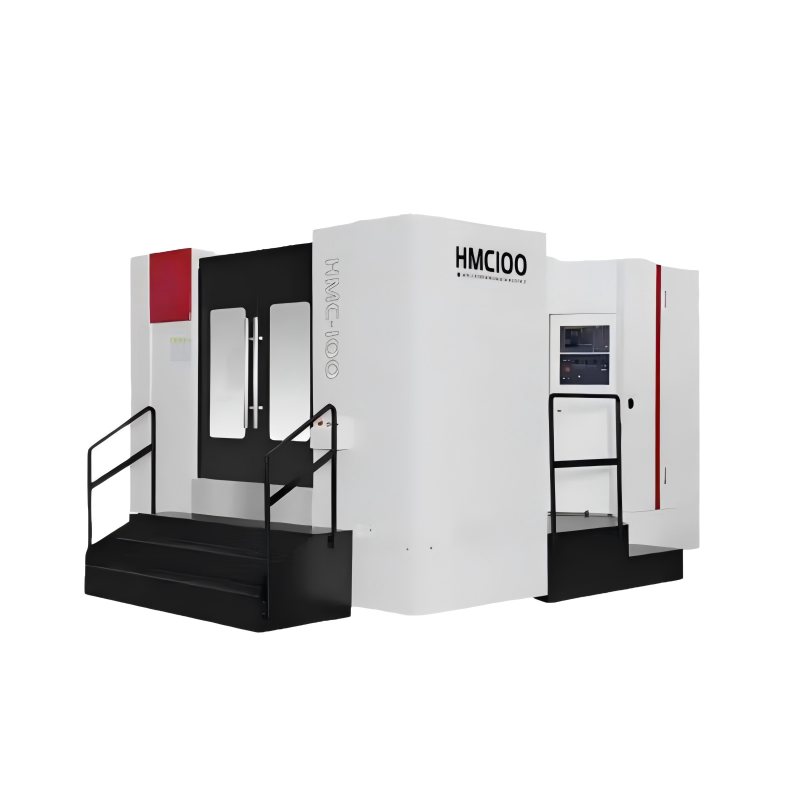
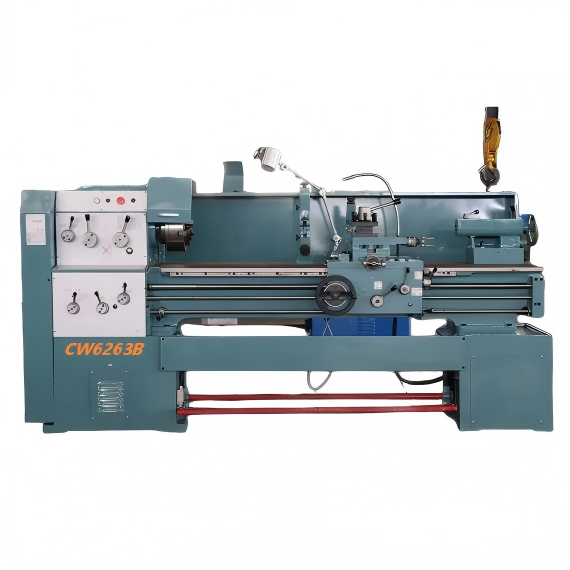
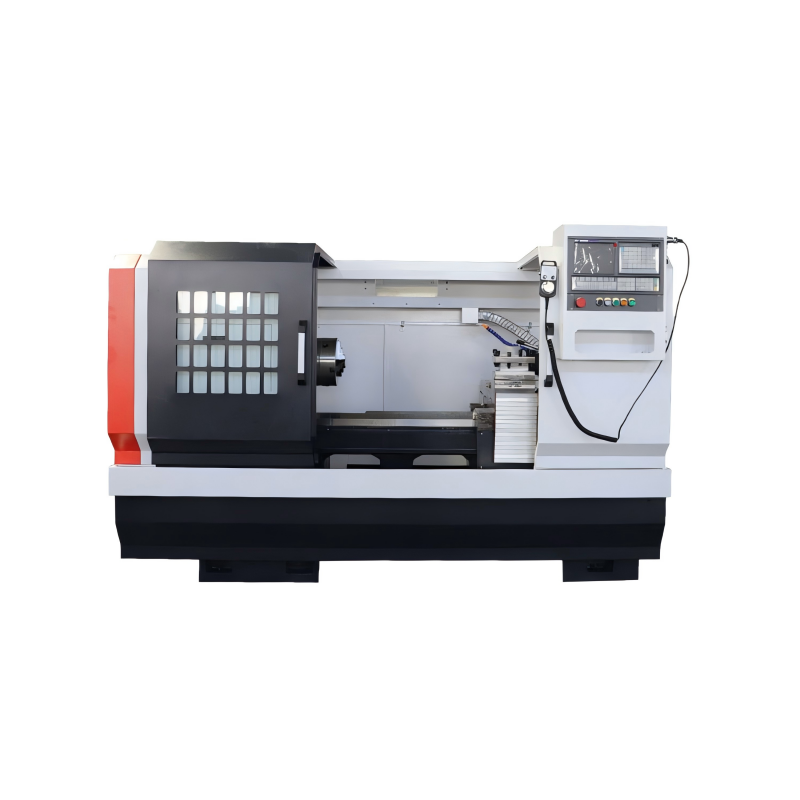
The advent of Computer Numerical Control (CNC) milling machines has revolutionized the manufacturing industry, offering unprecedented levels of precision, flexibility, and productivity. These advanced devices combine traditional machining techniques with state-of-the-art computer technology, allowing for complex operations to be performed with minimal human intervention. This report delves into several key features that make modern CNC Milling Machines stand out, focusing on how these innovations contribute to enhanced productivity across various industrial applications.
One of the most transformative advancements in CNC milling technology is the introduction of automated tool changers. Traditionally, changing tools during a machining process required manual intervention, which not only slowed down production but also increased the risk of errors. With an automated system, however, this entire process becomes seamless and swift. The machine can automatically switch between different cutting tools as dictated by the programmed instructions, significantly reducing downtime and increasing overall efficiency. Moreover, this feature allows for more complex parts to be machined in a single setup, further streamlining the production process and minimizing waste. By eliminating the need for frequent stops and starts, automated tool changers enable continuous operation, thereby maximizing the output from each machine.
Another critical aspect contributing to the enhanced productivity of CNC Milling Machines is their ability to operate at high speeds. High-speed machining (HSM) involves using higher spindle speeds and feed rates than conventional methods. This approach offers numerous benefits, including improved surface finish quality, reduced cycle times, and extended tool life. In HSM, the rapid removal of material generates less heat, thus preventing thermal damage to both the workpiece and the cutting tool. Additionally, the faster feed rates reduce the time spent on each part, enabling manufacturers to produce more components within a given timeframe. Furthermore, HSM can often eliminate the need for secondary finishing operations, such as grinding or polishing, which further contributes to cost savings and shorter lead times. Overall, the integration of high-speed capabilities into CNC milling machines represents a significant step forward in achieving greater throughput without compromising on accuracy or quality.
The software that powers a CNC Milling Machine plays a crucial role in determining its performance and versatility. Modern CNC systems are equipped with sophisticated control software that provides a wide range of functionalities, from basic programming and simulation to advanced optimization algorithms. One of the key advantages of this software is its ability to generate highly efficient toolpaths based on the specific geometry of the part being manufactured. Advanced CAM (Computer-Aided Manufacturing) software can analyze the 3D model of a component and create an optimized sequence of movements for the cutting tool, ensuring that the machine operates at peak efficiency. Additionally, real-time monitoring and adaptive control features allow the CNC system to adjust parameters on the fly, compensating for any variations in the machining process. This level of automation and intelligence helps to maintain consistent quality and minimize defects, even when working with challenging materials or intricate designs. By leveraging these software capabilities, manufacturers can achieve higher levels of precision, repeatability, and productivity, making their operations more competitive and agile in a rapidly evolving market.
Traditional 3-axis CNC milling machines are limited to moving along the X, Y, and Z axes, which restricts the complexity of the parts they can produce. However, the development of multi-axis CNC milling machines, such as 4-axis and 5-axis systems, has opened up new possibilities for manufacturing. Multi-axis machines can rotate the workpiece or the cutting tool around additional axes, allowing for the machining of complex geometries and features that would be impossible with 3-axis systems. This capability is particularly valuable in industries such as aerospace, automotive, and medical device manufacturing, where parts often have intricate shapes and tight tolerances. By enabling the machining of multiple sides of a part in a single setup, multi-axis machines reduce the need for repositioning, which saves time and improves accuracy. Additionally, the ability to perform simultaneous multi-axis operations can result in smoother, more precise cuts, leading to better surface finishes and higher-quality products. The adoption of multi-axis machining technology is a testament to the ongoing evolution of CNC Milling Machines and their capacity to meet the demands of modern manufacturing.
Ensuring the quality of the final product is a top priority in any manufacturing process. To address this, many advanced CNC Milling Machines now come with integrated quality control systems. These systems use a combination of sensors, probes, and software to monitor the machining process in real-time and detect any deviations from the specified parameters. For example, touch probes can measure the dimensions of the part during machining, while laser scanners can check for surface irregularities. If any issues are detected, the machine can automatically pause the operation, alert the operator, and, in some cases, make corrective adjustments. This proactive approach to quality control helps to prevent defects and scrap, ultimately improving the yield and reliability of the manufacturing process. Additionally, the data collected by these systems can be used for continuous improvement, allowing manufacturers to refine their processes and optimize their operations over time. By integrating quality control directly into the machining process, CNC milling machines provide a robust solution for maintaining high standards of precision and consistency.
In conclusion, the advanced features of CNC Milling Machines, including automated tool changers, high-speed machining, advanced software integration, multi-axis capabilities, and integrated quality control systems, are driving significant improvements in productivity and efficiency. As these technologies continue to evolve, they will play an increasingly important role in shaping the future of manufacturing, enabling businesses to stay competitive and meet the growing demands of the global market.
 02/07/2026
The Evolution of CNC Milling Machines: A Historical PerspectiveComputer Numerical Control (CNC) milling machines have undergone a significant transformation since their inception. Initially, these devices were simple and limited in functionality, relying
Read More02/07/2026When it comes to selecting the right CNC milling machine for your workshop, the decision can be overwhelming due to the wide range of options available. Each type of CNC milling machine offers specific features that cater to different needs and applicatio
Read More02/07/2026The field of manufacturing has witnessed remarkable advancements over the years, with CNC (Computer Numerical Control) milling machines playing a pivotal role in this transformation. These machines have evolved from simple, manually operated devices to so
Read More02/07/2026The field of manufacturing has witnessed significant advancements with the advent of Computer Numerical Control (CNC) milling machines. These machines offer unparalleled precision, repeatability, and efficiency in producing complex parts from a variety of
Read More01/07/2026A CNC (Computer Numerical Control) milling machine is a versatile tool used across various industries for precision machining. This report aims to provide a comprehensive overview of the applications of CNC milling machines, highlighting their importance
Read More01/07/2026CNC milling machines, or Computer Numerical Control milling machines, have become an integral part of industrial automation. These machines are designed to perform a variety of machining operations with high precision and efficiency, making them indispens
Read More01/07/2026In the realm of modern manufacturing, the integration of advanced technologies has become a cornerstone for enhancing productivity and efficiency. Among these, Computer Numerical Control (CNC) milling machines stand out as pivotal tools that have revoluti
Read More30/06/2026The advent of Computer Numerical Control (CNC) milling machines has marked a significant milestone in the evolution of manufacturing processes. These sophisticated tools have not only enhanced production efficiency and precision but also opened up new pos
Read More30/06/2026In the ever-evolving landscape of manufacturing, CNC (Computer Numerical Control) milling machines stand out as a cornerstone technology. These sophisticated tools have transformed the way industries produce parts and components, offering unparalleled pre
Read More30/06/2026Understanding the Basics of CNC Milling Machines CNC milling machines, a cornerstone in modern manufacturing, represent an advanced form of subtractive manufacturing where raw material is removed from a workpiece to create a final product. This process is
Read More30/06/2026Understanding the Importance of Regular Maintenance for CNC Milling Machines Maintaining a CNC milling machine is crucial for ensuring its longevity, efficiency, and accuracy. Regular maintenance not only prevents unexpected breakdowns but also helps in r
Read More29/06/2026In the realm of modern manufacturing, CNC (Computer Numerical Control) milling machines have emerged as a cornerstone for precision and efficiency. These sophisticated devices rely heavily on software to perform their tasks with accuracy and speed. This r
Read More28/06/2026Understanding the Basics of CNC Milling MachinesThe journey to selecting the right CNC (Computer Numerical Control) milling machine for your workshop begins with understanding what these machines are and how they operate. A CNC milling machine is an autom
Read More27/06/2026The evolution of CNC Milling Machine technology has been a remarkable journey, marked by continuous innovation and adaptation to the ever-changing demands of manufacturing. From its early beginnings to the sophisticated systems of today, CNC milling machi
Read More26/06/2026The advent of CNC (Computer Numerical Control) milling machines has revolutionized the manufacturing industry, enabling higher precision and efficiency in engineering projects. This report delves into advanced techniques employed with CNC milling machines
Read MoreOur professional sales team is always ready to assist you.