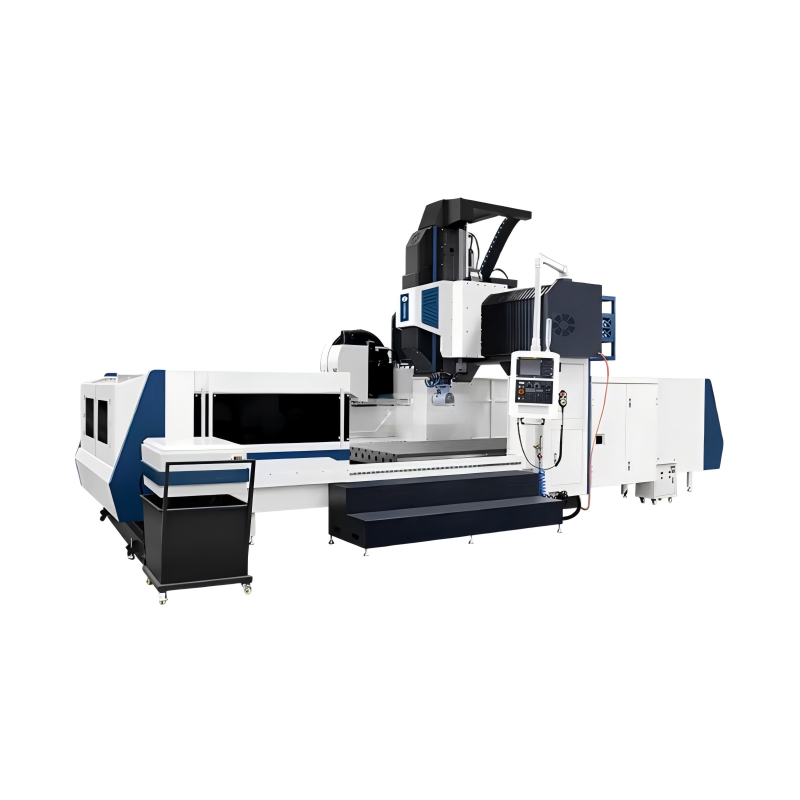
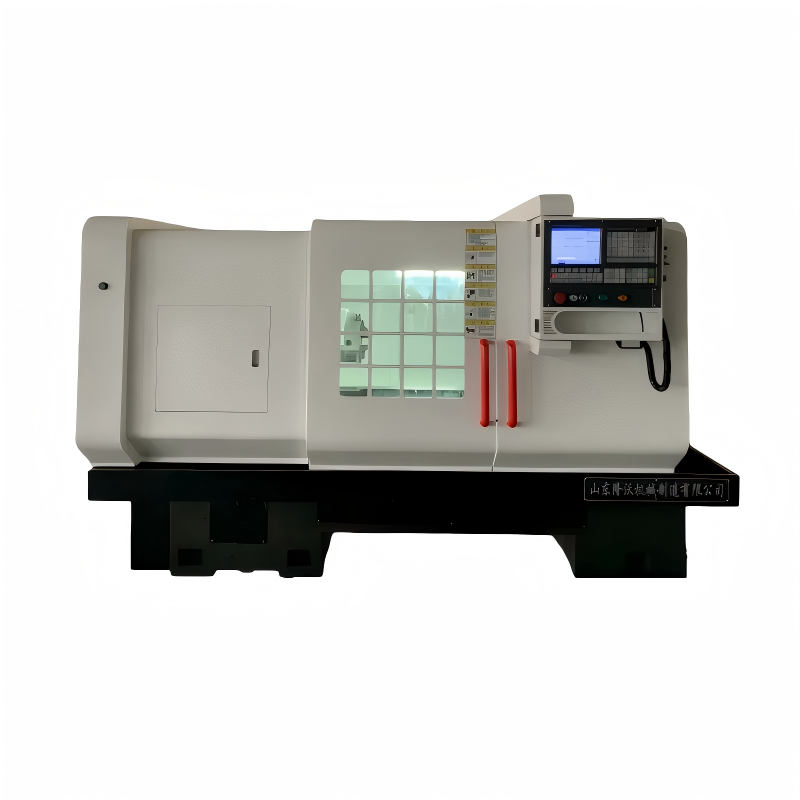
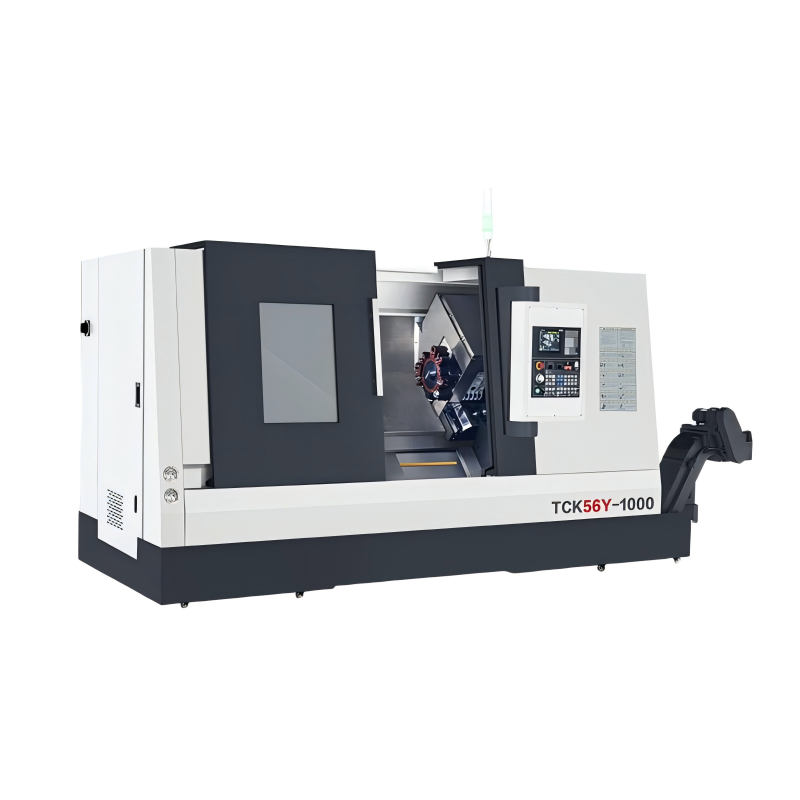
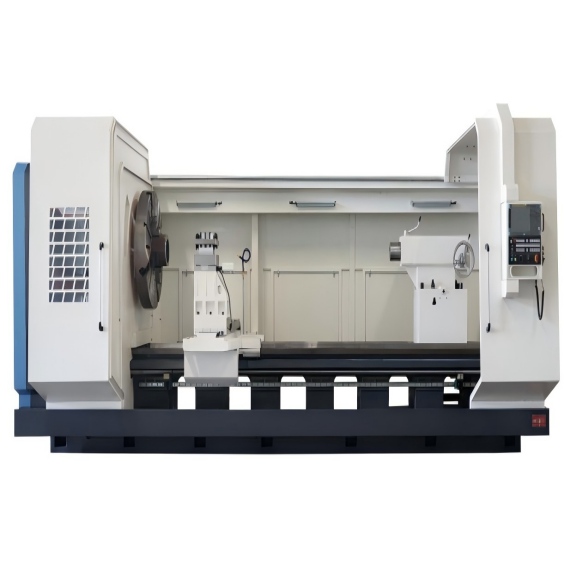
CNC milling machines, or Computer Numerical Control milling machines, have become an integral part of industrial automation. These machines are designed to perform a variety of machining operations with high precision and efficiency, making them indispensable in modern manufacturing environments. This report aims to explore the role of CNC Milling Machines in industrial automation, focusing on their impact on productivity, versatility, and the future of manufacturing.
The integration of CNC milling machines into industrial processes has significantly enhanced productivity. One of the primary advantages of these machines is their ability to operate continuously without human intervention. Once programmed, a CNC milling machine can execute complex tasks with minimal supervision, reducing the need for manual labor. This not only increases the speed of production but also ensures consistent quality, as the machines can maintain tight tolerances over long periods.
Moreover, CNC milling machines can handle multiple operations simultaneously, such as drilling, cutting, and shaping, which would otherwise require several different machines and operators. This consolidation of functions reduces setup times and minimizes the risk of errors, further boosting overall productivity. For example, in the automotive industry, where precision and speed are critical, CNC milling machines have been instrumental in streamlining the production of engine components, leading to faster assembly lines and higher output rates.
CNC milling machines offer a high degree of versatility, allowing them to be used in a wide range of applications. Unlike traditional milling machines, which are limited by the skills of the operator, CNC milling machines can be programmed to perform intricate and complex operations with ease. This flexibility makes them suitable for both small-scale and large-scale manufacturing, from prototyping to mass production.
One of the key features that contribute to the versatility of CNC milling machines is their ability to work with various materials, including metals, plastics, and composites. This adaptability is particularly valuable in industries such as aerospace and medical device manufacturing, where the use of specialized materials is common. Additionally, the software used to program CNC milling machines is highly customizable, enabling manufacturers to quickly adjust to new designs and specifications. This rapid reprogramming capability is crucial in today's fast-paced market, where product lifecycles are short and customer demands are constantly evolving.
The continuous advancements in technology have further solidified the role of CNC milling machines in industrial automation. Modern CNC systems are equipped with advanced features such as real-time monitoring, predictive maintenance, and artificial intelligence (AI) integration. Real-time monitoring allows operators to track the performance of the machine and detect any issues before they lead to downtime or quality problems. Predictive maintenance, on the other hand, uses data analytics to predict when maintenance is required, thereby reducing unexpected breakdowns and extending the lifespan of the machine.
AI integration is another area of significant development. AI algorithms can optimize the machining process by analyzing data from previous operations and adjusting parameters in real-time to achieve the best possible results. This not only improves efficiency but also enhances the quality of the final product. Furthermore, the integration of AI can help in automating the programming process, making it easier for engineers to generate efficient toolpaths and reduce the time spent on manual programming.
Looking ahead, the future of CNC milling machines in industrial automation is promising. As the demand for more sophisticated and customized products grows, the capabilities of CNC milling machines will continue to evolve. Advancements in materials science, robotics, and digital manufacturing are likely to drive further innovation, leading to even more versatile and efficient machining solutions. For instance, the development of hybrid CNC machines that combine milling, turning, and 3D printing capabilities in a single unit is already underway, offering unprecedented flexibility and productivity.
In conclusion, CNC milling machines play a vital role in industrial automation by enhancing productivity, providing versatility in manufacturing processes, and driving technological advancements. Their ability to perform complex operations with high precision and efficiency makes them indispensable in modern manufacturing. As technology continues to advance, the capabilities of CNC milling machines will only expand, ensuring their continued relevance and importance in the future of industrial automation.
 02/07/2026
The Evolution of CNC Milling Machines: A Historical PerspectiveComputer Numerical Control (CNC) milling machines have undergone a significant transformation since their inception. Initially, these devices were simple and limited in functionality, relying
Read More02/07/2026When it comes to selecting the right CNC milling machine for your workshop, the decision can be overwhelming due to the wide range of options available. Each type of CNC milling machine offers specific features that cater to different needs and applicatio
Read More02/07/2026The field of manufacturing has witnessed remarkable advancements over the years, with CNC (Computer Numerical Control) milling machines playing a pivotal role in this transformation. These machines have evolved from simple, manually operated devices to so
Read More02/07/2026The field of manufacturing has witnessed significant advancements with the advent of Computer Numerical Control (CNC) milling machines. These machines offer unparalleled precision, repeatability, and efficiency in producing complex parts from a variety of
Read More01/07/2026A CNC (Computer Numerical Control) milling machine is a versatile tool used across various industries for precision machining. This report aims to provide a comprehensive overview of the applications of CNC milling machines, highlighting their importance
Read More01/07/2026The advent of Computer Numerical Control (CNC) milling machines has revolutionized the manufacturing industry, offering unprecedented levels of precision, flexibility, and productivity. These advanced devices combine traditional machining techniques with
Read More01/07/2026In the realm of modern manufacturing, the integration of advanced technologies has become a cornerstone for enhancing productivity and efficiency. Among these, Computer Numerical Control (CNC) milling machines stand out as pivotal tools that have revoluti
Read More30/06/2026The advent of Computer Numerical Control (CNC) milling machines has marked a significant milestone in the evolution of manufacturing processes. These sophisticated tools have not only enhanced production efficiency and precision but also opened up new pos
Read More30/06/2026In the ever-evolving landscape of manufacturing, CNC (Computer Numerical Control) milling machines stand out as a cornerstone technology. These sophisticated tools have transformed the way industries produce parts and components, offering unparalleled pre
Read More30/06/2026Understanding the Basics of CNC Milling Machines CNC milling machines, a cornerstone in modern manufacturing, represent an advanced form of subtractive manufacturing where raw material is removed from a workpiece to create a final product. This process is
Read More30/06/2026Understanding the Importance of Regular Maintenance for CNC Milling Machines Maintaining a CNC milling machine is crucial for ensuring its longevity, efficiency, and accuracy. Regular maintenance not only prevents unexpected breakdowns but also helps in r
Read More29/06/2026In the realm of modern manufacturing, CNC (Computer Numerical Control) milling machines have emerged as a cornerstone for precision and efficiency. These sophisticated devices rely heavily on software to perform their tasks with accuracy and speed. This r
Read More28/06/2026Understanding the Basics of CNC Milling MachinesThe journey to selecting the right CNC (Computer Numerical Control) milling machine for your workshop begins with understanding what these machines are and how they operate. A CNC milling machine is an autom
Read More27/06/2026The evolution of CNC Milling Machine technology has been a remarkable journey, marked by continuous innovation and adaptation to the ever-changing demands of manufacturing. From its early beginnings to the sophisticated systems of today, CNC milling machi
Read More26/06/2026The advent of CNC (Computer Numerical Control) milling machines has revolutionized the manufacturing industry, enabling higher precision and efficiency in engineering projects. This report delves into advanced techniques employed with CNC milling machines
Read MoreOur professional sales team is always ready to assist you.