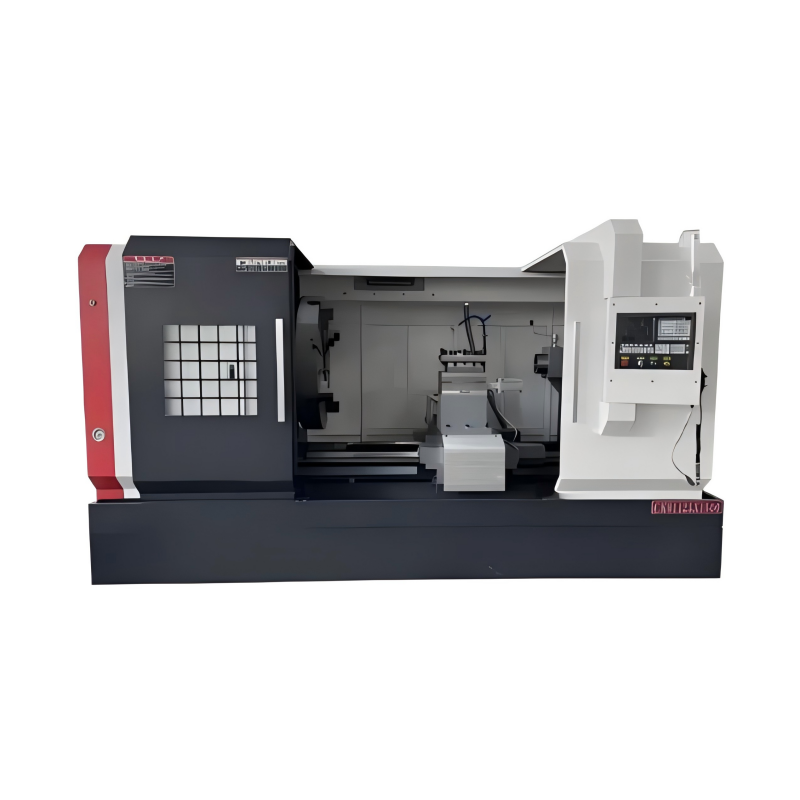
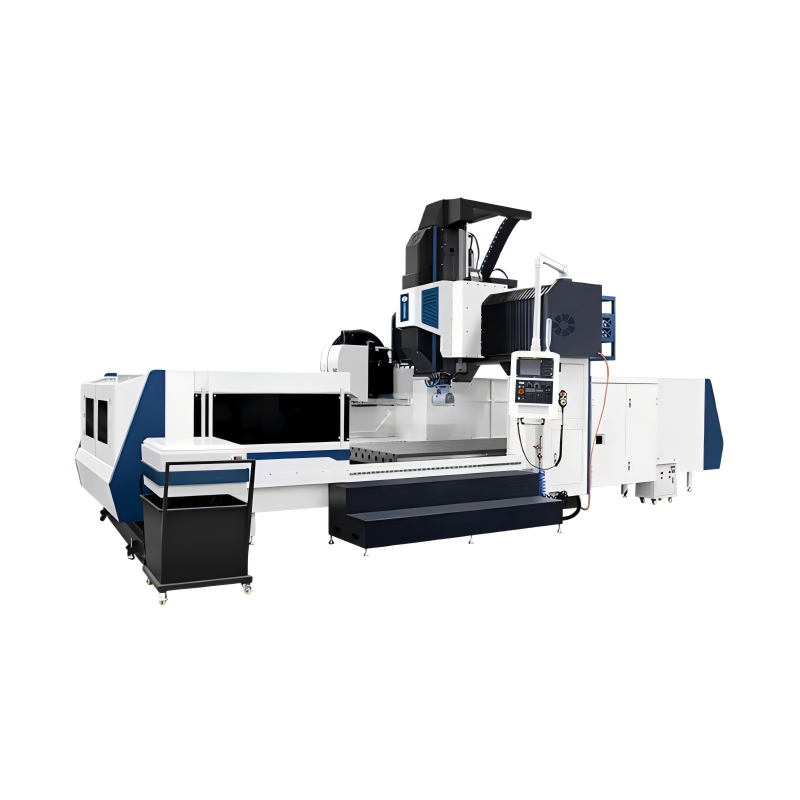
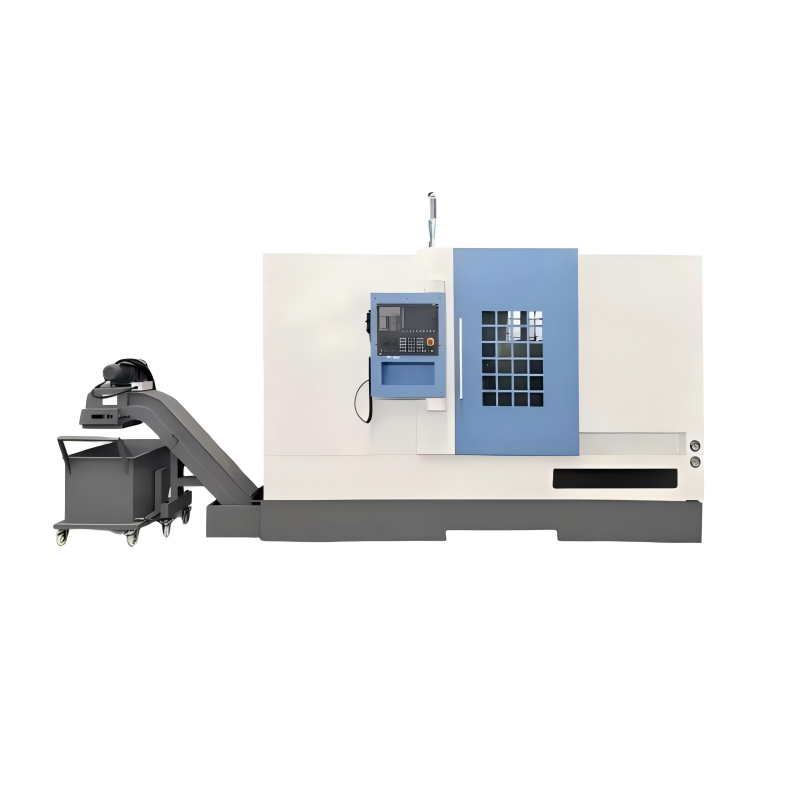
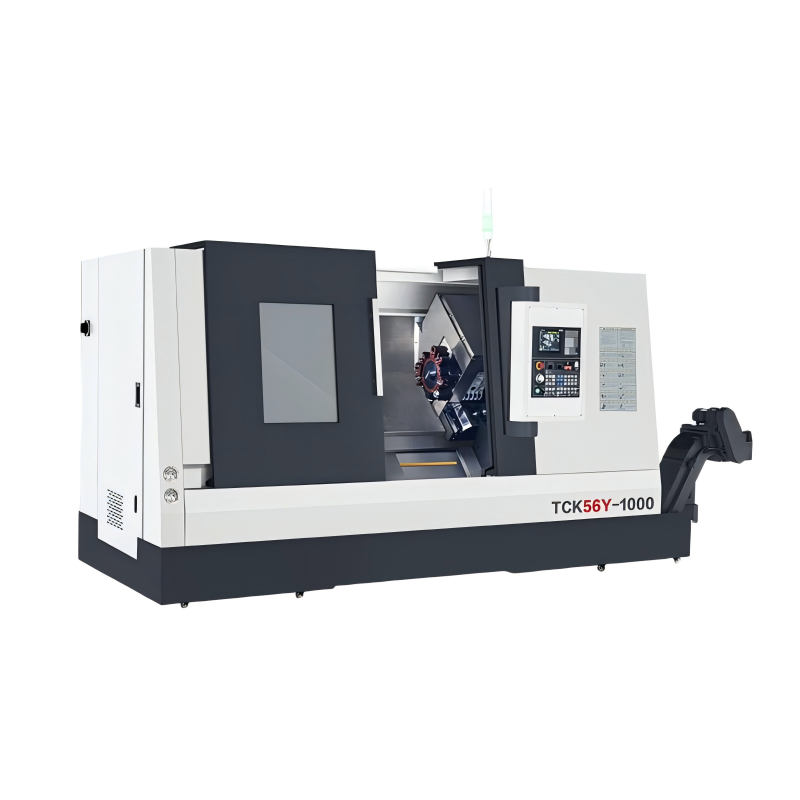
When it comes to selecting the right CNC milling machine for your workshop, the decision can be overwhelming due to the wide range of options available. Each type of CNC Milling Machine offers specific features that cater to different needs and applications. This report aims to provide practical tips on how to choose a CNC milling machine that best suits your requirements, ensuring efficiency, productivity, and cost-effectiveness in your operations.
The first step in choosing the right CNC milling machine is to thoroughly understand your project requirements. Consider the materials you will be working with, as well as the size and complexity of the parts you need to produce. For instance, if your workshop primarily handles small, intricate components, a desktop or benchtop CNC milling machine might suffice. However, for larger and more complex projects, an industrial-grade CNC milling machine would be more appropriate. Additionally, consider the precision and tolerance levels required for your work. High-precision tasks may necessitate a machine with advanced control systems and high-quality components to ensure accuracy and repeatability.
Once you have a clear understanding of your project requirements, the next step is to evaluate the capabilities and specifications of potential CNC milling machines. Key factors to consider include the machine's travel distance, spindle speed, and tool capacity. The travel distance determines the maximum size of the workpiece that can be processed, while the spindle speed affects the cutting performance and material removal rate. A higher spindle speed is generally better for softer materials, whereas lower speeds are suitable for harder materials. Tool capacity is also crucial, as it determines the variety of tools that can be used, which in turn impacts the versatility and efficiency of the machine. It is essential to match these specifications with your specific needs to avoid underutilization or over-specification of the machine.
Another critical aspect to consider when choosing a CNC milling machine is the software compatibility and ease of use. Most modern CNC milling machines come with their own proprietary software, but some are also compatible with third-party CAD/CAM solutions. Ensure that the machine you select is compatible with the design and manufacturing software you already use, or plan to use, to streamline the workflow. Additionally, the user interface of the machine should be intuitive and easy to navigate. Look for features such as touch-screen controls, real-time monitoring, and diagnostic tools, which can significantly enhance the user experience and reduce the learning curve for new operators.
Maintenance and support services are often overlooked but are vital for the long-term reliability and performance of your CNC milling machine. Regular maintenance is necessary to keep the machine in optimal condition and prevent unexpected downtime. When evaluating different machines, inquire about the availability of spare parts, the frequency of maintenance, and the cost of service. Some manufacturers offer comprehensive maintenance packages, which can be a cost-effective solution in the long run. Additionally, consider the quality of customer support provided by the manufacturer. Prompt and knowledgeable support can make a significant difference in resolving issues and minimizing production disruptions.
Finally, conducting a thorough cost-benefit analysis is essential to ensure that the CNC milling machine you choose provides the best value for your investment. While the initial purchase price is a significant factor, it is equally important to consider the total cost of ownership, including maintenance, energy consumption, and operational costs. Compare the costs and benefits of different models, taking into account the expected return on investment (ROI) and the payback period. It is also advisable to set a budget and stick to it, but be prepared to make adjustments if a slightly more expensive machine offers significant advantages in terms of performance, durability, and long-term savings.
In conclusion, selecting the right CNC milling machine for your workshop involves a careful evaluation of your project requirements, machine capabilities, software compatibility, maintenance and support services, and cost considerations. By following these tips, you can make an informed decision that will enhance the productivity and efficiency of your operations, ultimately contributing to the success of your business.
 02/07/2026
The Evolution of CNC Milling Machines: A Historical PerspectiveComputer Numerical Control (CNC) milling machines have undergone a significant transformation since their inception. Initially, these devices were simple and limited in functionality, relying
Read More02/07/2026The field of manufacturing has witnessed remarkable advancements over the years, with CNC (Computer Numerical Control) milling machines playing a pivotal role in this transformation. These machines have evolved from simple, manually operated devices to so
Read More02/07/2026The field of manufacturing has witnessed significant advancements with the advent of Computer Numerical Control (CNC) milling machines. These machines offer unparalleled precision, repeatability, and efficiency in producing complex parts from a variety of
Read More01/07/2026A CNC (Computer Numerical Control) milling machine is a versatile tool used across various industries for precision machining. This report aims to provide a comprehensive overview of the applications of CNC milling machines, highlighting their importance
Read More01/07/2026CNC milling machines, or Computer Numerical Control milling machines, have become an integral part of industrial automation. These machines are designed to perform a variety of machining operations with high precision and efficiency, making them indispens
Read More01/07/2026The advent of Computer Numerical Control (CNC) milling machines has revolutionized the manufacturing industry, offering unprecedented levels of precision, flexibility, and productivity. These advanced devices combine traditional machining techniques with
Read More01/07/2026In the realm of modern manufacturing, the integration of advanced technologies has become a cornerstone for enhancing productivity and efficiency. Among these, Computer Numerical Control (CNC) milling machines stand out as pivotal tools that have revoluti
Read More30/06/2026The advent of Computer Numerical Control (CNC) milling machines has marked a significant milestone in the evolution of manufacturing processes. These sophisticated tools have not only enhanced production efficiency and precision but also opened up new pos
Read More30/06/2026In the ever-evolving landscape of manufacturing, CNC (Computer Numerical Control) milling machines stand out as a cornerstone technology. These sophisticated tools have transformed the way industries produce parts and components, offering unparalleled pre
Read More30/06/2026Understanding the Basics of CNC Milling Machines CNC milling machines, a cornerstone in modern manufacturing, represent an advanced form of subtractive manufacturing where raw material is removed from a workpiece to create a final product. This process is
Read More30/06/2026Understanding the Importance of Regular Maintenance for CNC Milling Machines Maintaining a CNC milling machine is crucial for ensuring its longevity, efficiency, and accuracy. Regular maintenance not only prevents unexpected breakdowns but also helps in r
Read More29/06/2026In the realm of modern manufacturing, CNC (Computer Numerical Control) milling machines have emerged as a cornerstone for precision and efficiency. These sophisticated devices rely heavily on software to perform their tasks with accuracy and speed. This r
Read More28/06/2026Understanding the Basics of CNC Milling MachinesThe journey to selecting the right CNC (Computer Numerical Control) milling machine for your workshop begins with understanding what these machines are and how they operate. A CNC milling machine is an autom
Read More27/06/2026The evolution of CNC Milling Machine technology has been a remarkable journey, marked by continuous innovation and adaptation to the ever-changing demands of manufacturing. From its early beginnings to the sophisticated systems of today, CNC milling machi
Read More26/06/2026The advent of CNC (Computer Numerical Control) milling machines has revolutionized the manufacturing industry, enabling higher precision and efficiency in engineering projects. This report delves into advanced techniques employed with CNC milling machines
Read MoreOur professional sales team is always ready to assist you.