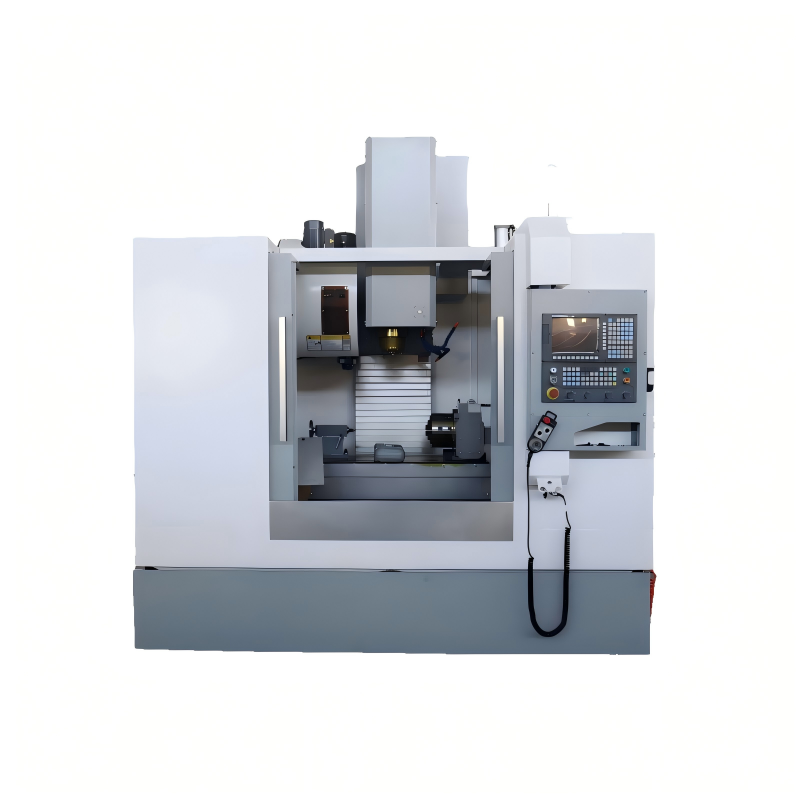
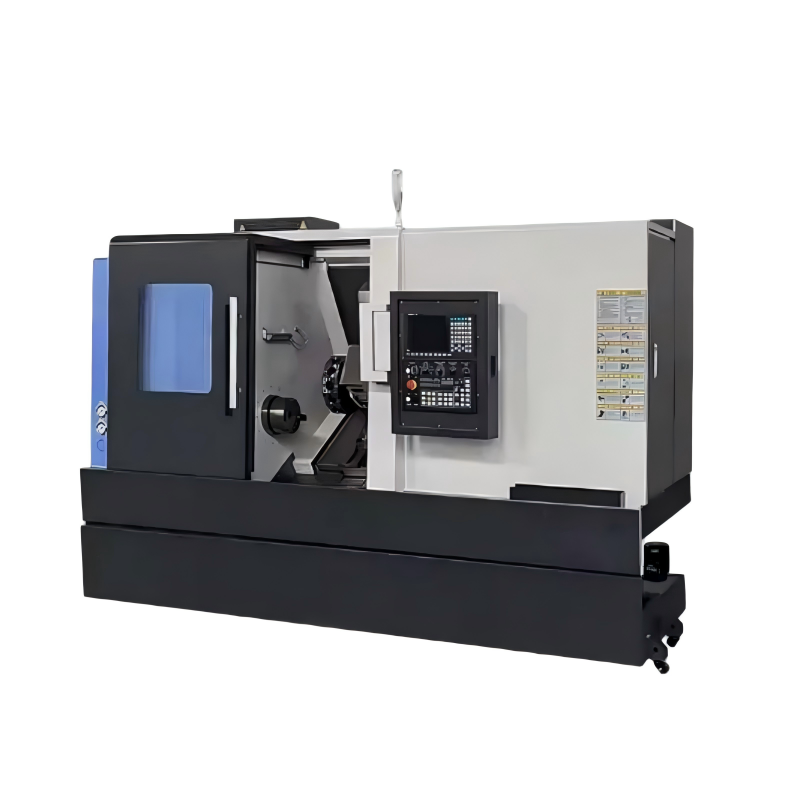
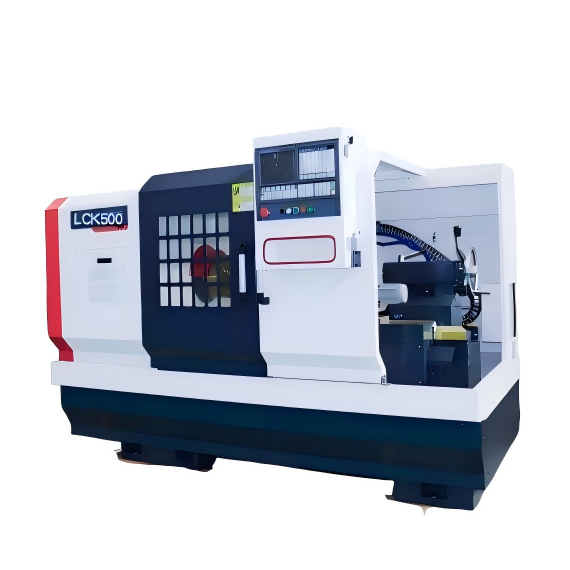
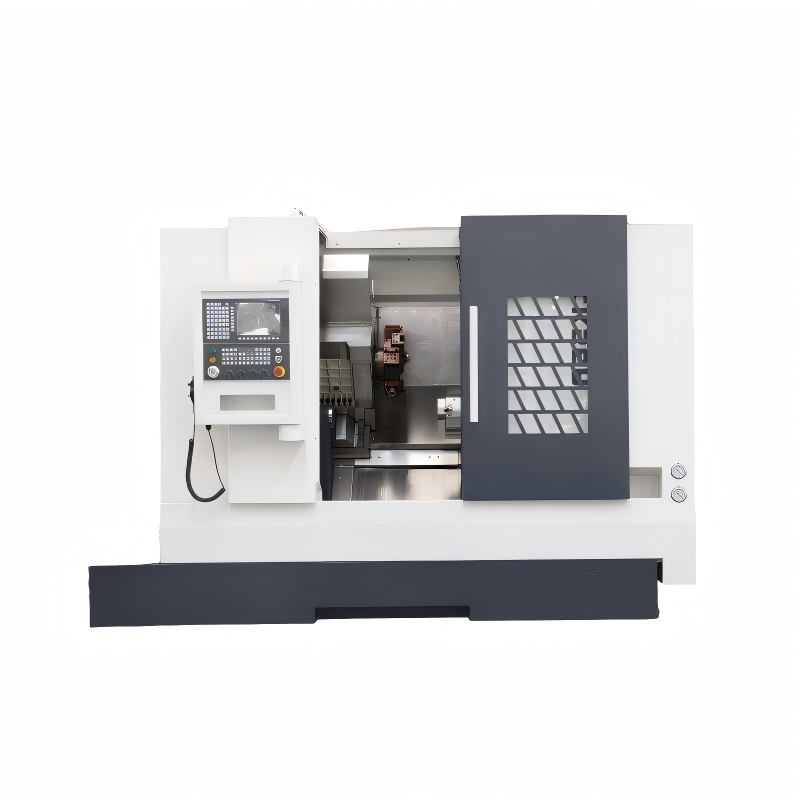
The advent of Hard Rail CNC Lathes has revolutionized the machining industry, offering unprecedented precision and efficiency in turning operations. These machines are designed with robust construction, making them ideal for handling heavy-duty workloads without compromising on accuracy. One of the key features that set hard rail lathes apart from their counterparts is their ability to maintain stability during high-speed operations, which is crucial for achieving consistent results across a wide range of materials. This section will delve into the unique characteristics of hard rail CNC lathes, highlighting how they contribute to superior performance in various machining applications.
Incorporating concepts from a Machining Center, modern hard rail CNC lathes have evolved to offer more than just basic turning capabilities. Today's advanced models often include live tooling, Y-axis capability, and even multi-axis functionality, allowing for complex part geometries to be machined in a single setup. This integration not only enhances productivity by reducing the need for multiple setups but also improves part quality through minimized handling and alignment errors. By leveraging these advanced features, manufacturers can achieve higher levels of customization and complexity, meeting the demands of today’s competitive market.
To fully utilize the potential of hard rail CNC lathes, optimizing tool path strategies becomes essential. Advanced software solutions now enable programmers to create highly efficient cutting paths that minimize material waste, reduce cycle times, and extend tool life. Techniques such as adaptive cutting, where the machine automatically adjusts feed rates based on real-time load conditions, and trochoidal milling, which uses a series of circular arcs to remove material, are becoming increasingly popular. These methods not only improve the overall efficiency of the machining process but also help in maintaining the longevity of the tools and the machine itself, thereby reducing maintenance costs and downtime.
When working with hard rail CNC lathes, the choice of material plays a critical role in determining the success of the machining operation. Different materials require specific cutting parameters and tooling configurations to ensure optimal performance. For instance, when machining high-strength alloys or hardened steels, it is crucial to use appropriate cutting speeds and feeds, along with suitable tool materials like carbide or ceramic, to prevent excessive wear and tear. Additionally, the use of coolant and lubrication systems can significantly impact the surface finish and dimensional accuracy of the finished parts. Understanding these material-specific considerations is vital for achieving the best possible outcomes in any machining project.
As technology continues to advance, so too does the field of CNC machining. Future trends in hard rail CNC lathe technology are likely to focus on further integration of automation, artificial intelligence (AI), and machine learning (ML) to enhance operational efficiency and predictive maintenance. AI-driven algorithms could optimize machine settings in real-time, while ML models could predict tool wear and machine failures before they occur, leading to reduced downtime and improved production planning. Furthermore, advancements in sensor technology and data analytics will enable more precise monitoring and control of the machining process, ensuring that every part meets the highest standards of quality and consistency. As these innovations continue to evolve, hard rail CNC lathes will remain at the forefront of the manufacturing industry, driving productivity and innovation forward.
 25/06/2026
The CK6150 is a versatile and efficient machining center that has garnered significant attention in the manufacturing industry. This machine, designed for precision and reliability, offers a range of features and benefits that make it an ideal choice for
Read More24/06/2026Machining centers, as advanced manufacturing tools, have revolutionized the way industries approach production. These versatile machines combine multiple operations into a single setup, significantly increasing efficiency and precision. This report aims t
Read More14/06/2026In the realm of modern manufacturing, a Machining Center stands as an indispensable tool for enhancing productivity and precision. This technical report delves into the intricacies of utilizing a Machining Center effectively, offering valuable tips and tr
Read More14/06/2026In the ever-evolving landscape of manufacturing, machining centers have become indispensable tools for precision and efficiency. This technical report delves into the top trends in machining center design and functionality, highlighting advancements that
Read More14/06/2026Machining centers, as versatile and efficient tools in modern manufacturing, play a crucial role in the production of precision components. Proper maintenance and care are essential to ensure their optimal performance, longevity, and safety. This comprehe
Read More10/06/2026In today's rapidly evolving industrial landscape, machining centers have become indispensable tools for manufacturing precision components across various sectors. This report delves into the multifaceted role of machining centers, exploring their impact o
Read More08/06/2026A high-performance machining center is an essential asset for any modern manufacturing facility, offering unparalleled precision, efficiency, and versatility. When selecting a machining center, it's crucial to consider several key features that will ensur
Read More07/06/2026In the realm of precision engineering, the advent of advanced machining centers has heralded a new era of efficiency and accuracy. These sophisticated machines, equipped with cutting-edge technology, have transformed the way industries approach manufactur
Read More06/06/2026In the realm of manufacturing, Machining Center technology has emerged as a cornerstone for precision and efficiency. This report delves into the multifaceted advantages and applications of modern machining centers, highlighting how these advanced machine
Read More05/06/2026Choosing the right Machining Center for your specific needs is a critical decision that can significantly impact the efficiency, quality, and cost-effectiveness of your manufacturing processes. This guide aims to provide you with a comprehensive understan
Read More04/06/2026In the ever-evolving landscape of manufacturing, Machining Center innovations are playing a pivotal role in shaping the future. These advanced machines, designed to perform multiple operations with high precision and efficiency, are not only improving pro
Read More04/06/2026In the rapidly evolving aerospace industry, machining centers have emerged as pivotal tools for advancing manufacturing processes. These advanced machines not only enhance productivity but also play a crucial role in maintaining the high standards of prec
Read More03/06/2026IntroductionIn the realm of modern manufacturing, machining centers play a pivotal role in transforming raw materials into finished products. These advanced machines are designed to perform multiple operations such as milling, drilling, and turning, all w
Read More02/06/2026In today’s competitive manufacturing environment, the quest for enhancing product quality while simultaneously reducing operational costs has become a critical success factor. The integration of state-of-the-art machining centers into production processes
Read More01/06/2026In the realm of modern manufacturing, the role of a machining center, especially those controlled by Computer Numerical Control (CNC) systems, has become increasingly prominent. These machines are not just tools; they represent a significant leap in techn
Read More31/05/2026IntroductionThe machining center, a cornerstone of modern manufacturing, has evolved significantly over the years. With advancements in technology, these machines have become more efficient, versatile, and capable of handling complex tasks. This report ai
Read More30/05/2026IntroductionThe machining industry is on the cusp of a transformative era, driven by advancements in Machining Center technology. As we look towards the future, it becomes increasingly clear that innovations in this field will not only enhance productivit
Read More29/05/2026IntroductionThe selection of the right machining center is a critical decision for any manufacturing operation, as it directly impacts productivity, efficiency, and overall profitability. A machining center, also known as a CNC (Computer Numerical Control
Read More28/05/2026The automotive industry, a cornerstone of modern manufacturing, is experiencing an unprecedented transformation driven by the integration of advanced technologies. Among these, machining centers are playing a pivotal role in revolutionizing production pro
Read More26/05/2026In the realm of precision manufacturing, the machining center stands as a cornerstone technology, offering unparalleled versatility and efficiency. This document explores how modern advancements in machining centers are revolutionizing the industry, focus
Read MoreOur professional sales team is always ready to assist you.