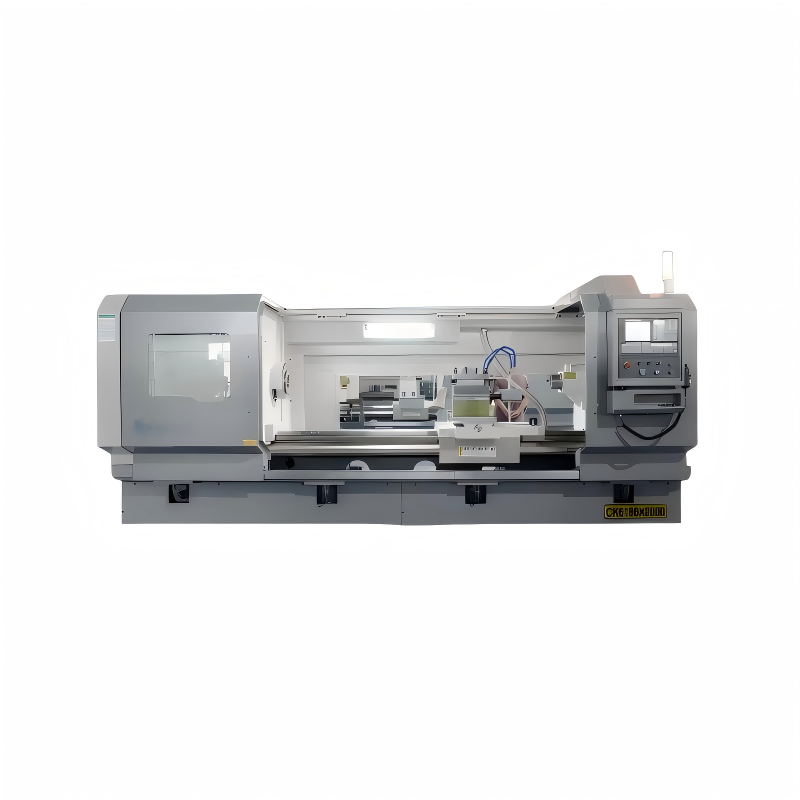
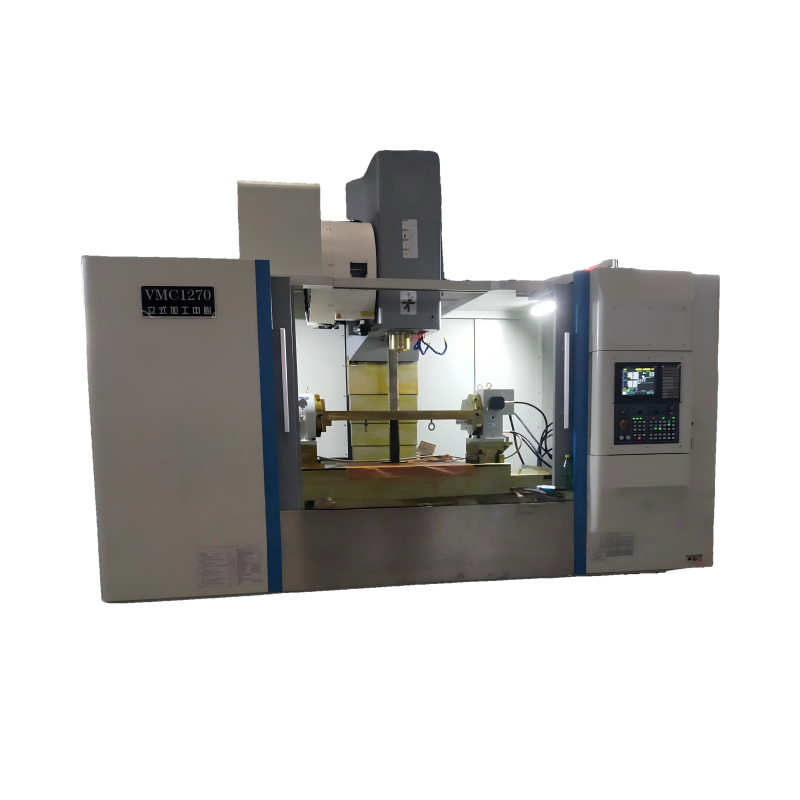
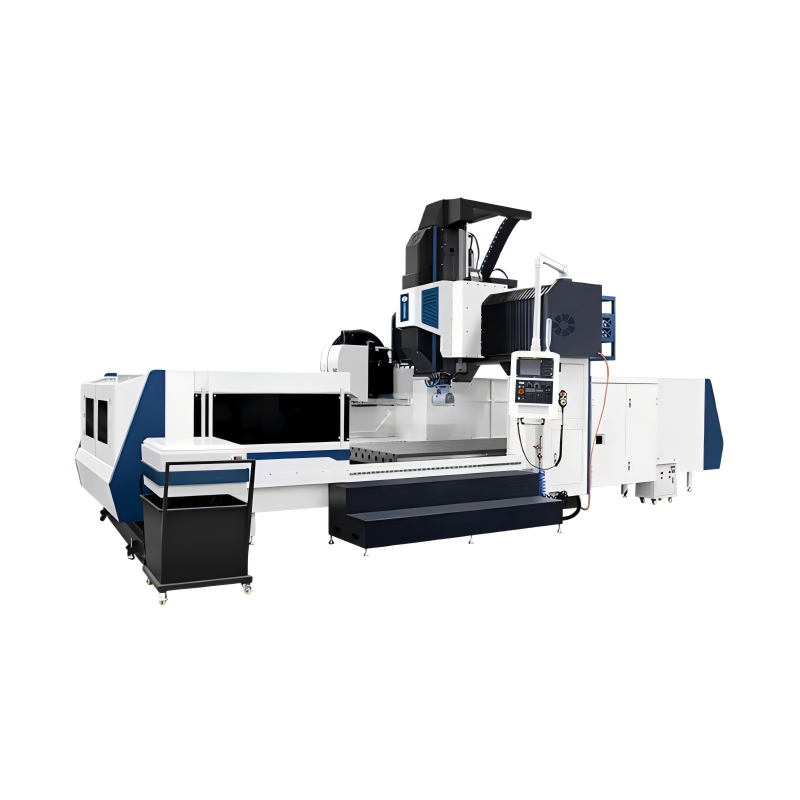
The advancements in industrial automation have seen a significant shift towards more efficient, precise, and versatile systems. One of the key components that enable this transformation is the actuator, specifically those designed for X-axis movement. These actuators play a pivotal role in various applications, from assembly lines to material handling, by providing accurate and reliable motion control. In this report, we will explore some of the latest innovations in X-axis actuators, focusing on their design, performance, and impact on industrial processes. Additionally, we will touch upon how these innovations are complemented by advancements in Z-axis movement, creating a comprehensive solution for multi-axis automation.
One of the most notable trends in the development of X-axis actuators is the integration of advanced sensors. These sensors, such as optical encoders and magnetic linear scales, provide real-time feedback on the position and velocity of the actuator. This data is crucial for maintaining high precision and accuracy, which are essential in industries where even the slightest deviation can lead to significant quality issues or production inefficiencies. For example, in semiconductor manufacturing, the alignment of wafers during processing must be exact; any misalignment can result in defective products. By incorporating these sensors, X-axis actuators can achieve sub-micron positioning accuracy, ensuring that every operation is performed with the utmost precision.
Moreover, the use of advanced algorithms and machine learning techniques allows for predictive maintenance and continuous optimization of the actuator's performance. These technologies can detect anomalies and potential failures before they occur, thereby reducing downtime and increasing overall system reliability. The combination of sensor technology and intelligent software has set a new standard for X-axis actuators, making them indispensable in high-precision applications.
Another critical aspect of modern X-axis actuators is their ability to operate at high speeds while maintaining efficiency. This is achieved through a combination of lightweight materials and high-power motors. Traditionally, actuators were made from heavy metals like steel, which, although durable, added considerable weight and inertia to the system. Today, manufacturers are turning to lighter alternatives such as aluminum and composite materials, which offer comparable strength but at a fraction of the weight. This reduction in mass not only enhances the actuator's speed but also reduces energy consumption, making it more environmentally friendly.
High-power motors, often brushless DC (BLDC) or servo motors, are another key component. These motors provide the necessary torque and speed required for rapid and precise movements. They are also highly efficient, converting a greater percentage of electrical energy into mechanical work compared to their predecessors. The use of these motors, combined with optimized gear ratios and drive systems, allows X-axis actuators to achieve higher accelerations and decelerations, thereby increasing the throughput of automated systems. This is particularly beneficial in fast-paced environments such as automotive assembly lines, where every second counts.
In the rapidly evolving landscape of industrial automation, flexibility is a key requirement. To address this, many manufacturers are now offering modular and scalable X-axis actuator solutions. These systems are designed to be easily reconfigured and expanded, allowing companies to adapt to changing production needs without significant overhauls. Modular actuators consist of interchangeable components, such as rails, carriages, and motor assemblies, which can be combined in various ways to create custom configurations. This modularity not only simplifies the design and installation process but also reduces costs and downtime associated with system modifications.
Scalability is another important feature of modern X-axis actuators. As production demands increase, companies can add additional modules to existing systems, rather than investing in entirely new setups. This approach ensures that the investment in automation remains viable and cost-effective over the long term. Furthermore, the ability to integrate Z-axis movement with these modular X-axis actuators provides a complete multi-axis solution. This integration allows for complex 3D motions, enabling a wide range of applications, from 3D printing to robotic assembly. The synergy between X-axis and Z-axis Movement creates a versatile and powerful tool for industrial automation, capable of handling a diverse array of tasks with ease.
The innovations in X-axis actuators for industrial automation have significantly enhanced the capabilities of modern manufacturing and processing systems. Through the integration of advanced sensors, the use of lightweight materials and high-power motors, and the development of modular and scalable solutions, these actuators are setting new standards for precision, speed, and flexibility. As the industry continues to evolve, the role of X-axis actuators will only become more critical, driving further advancements in automation and contributing to the growth and success of businesses worldwide.
 26/06/2026
In the realm of precision manufacturing, the accuracy and stability of machine tool movements are critical for achieving high-quality end products. This report focuses on enhancing Z-axis stability, which is vital for improved tool path execution. By impr
Read More26/06/2026In the realm of high-speed applications, the design and implementation of X-axis components play a crucial role in determining the overall performance and efficiency of systems. These components, often found in CNC machines, 3D printers, and other precisi
Read More25/06/2026Introduction to Z-axis Adjustment in Microscopy In the field of microscopy, achieving high clarity and resolution is paramount for accurate observation and analysis. The adjustment along the Z-axis, which controls the vertical position of the sample relat
Read More25/06/2026The advancement in manufacturing and automation technologies has placed a significant emphasis on the precision and efficiency of machinery. One such area that greatly benefits from these advancements is the Z-axis positioning system, which, when combined
Read More25/06/2026In the realm of precision manufacturing, the accuracy and efficiency of machines play a crucial role in determining the quality and cost-effectiveness of production. One of the key factors influencing these attributes is the alignment of the X-axis, which
Read More24/06/2026In the realm of CNC (Computer Numerical Control) machining, precision is paramount. The accuracy with which a machine can manipulate materials to create parts and components directly impacts the quality and functionality of the end product. One of the key
Read More24/06/2026Understanding the Importance of Z-axis Movement in 3D PrintingThe Z-axis movement is a critical component of any 3D printing process, as it determines the vertical resolution and speed at which layers are deposited. In many 3D printers, the Z-axis control
Read More24/06/2026In the ever-evolving landscape of industrial automation and robotics, the advancements in X-axis actuators have played a pivotal role in enhancing overall system performance. This technical report delves into the recent innovations in X-axis actuators, fo
Read More23/06/2026In the realm of precision engineering, the 2-Axis Slant Bed CNC Lathe stands out as a versatile and efficient tool. This comprehensive guide delves into the intricacies of its features, with a particular focus on the X-axis and Z-axis movement, which are
Read More23/06/2026In the realm of 3D printing, the ability to control and manipulate the X-axis and Z-axis movement is fundamental to achieving high-quality prints. This report delves into the specific role of Z-axis movement within 3D printing processes, exploring its imp
Read More23/06/2026Introduction to Z-axis Control in Precision Machining In the realm of precision machining, achieving a superior surface finish is paramount. The quality of the final product often hinges on the ability to control the movement and positioning of the cuttin
Read More23/06/2026In the world of 3D printing, precision and accuracy are paramount. The quality of a print can be significantly influenced by the movement along different axes, particularly the X-axis and Z-axis. Understanding how X-axis motion affects your prints is cruc
Read More22/06/2026In the realm of robotics, understanding the dynamics of X-axis movement is fundamental to designing efficient and precise machines. The X-axis, along with the Y and Z axes, forms the basis of a three-dimensional coordinate system that defines the position
Read More22/06/2026In the realm of precision engineering, Computer Numerical Control (CNC) machining stands out as a cornerstone for producing components with exact specifications. The importance of Z-axis precision in CNC machining cannot be overstated, especially when con
Read More22/06/2026Understanding the intricacies of 3D printing technology, particularly the dynamics of X-axis and Z-axis movement, is crucial for optimizing print quality, speed, and overall efficiency. In this technical report, we will delve into the mechanisms that gove
Read MoreOur professional sales team is always ready to assist you.