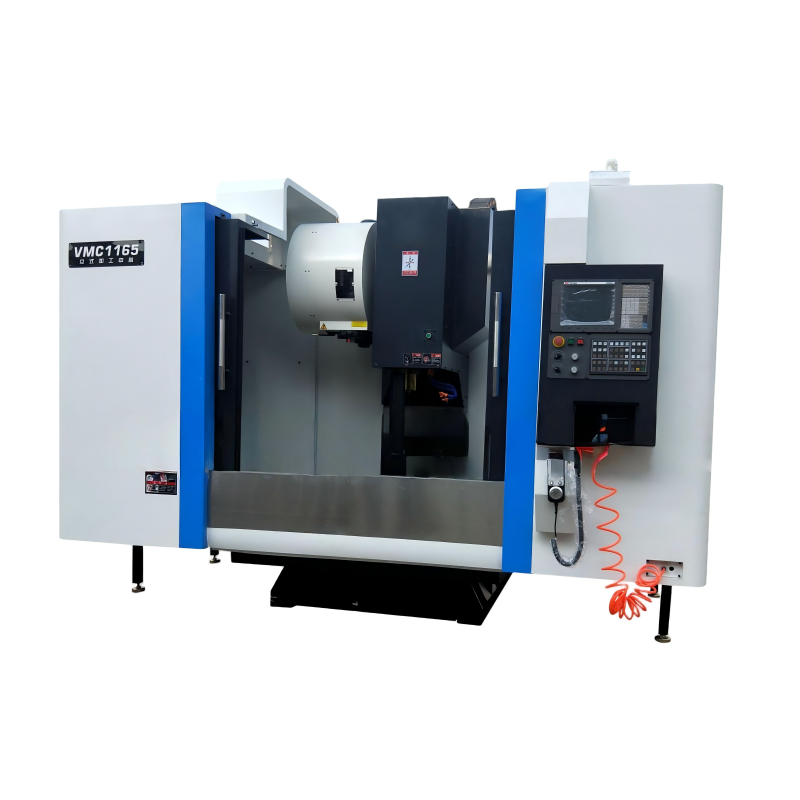
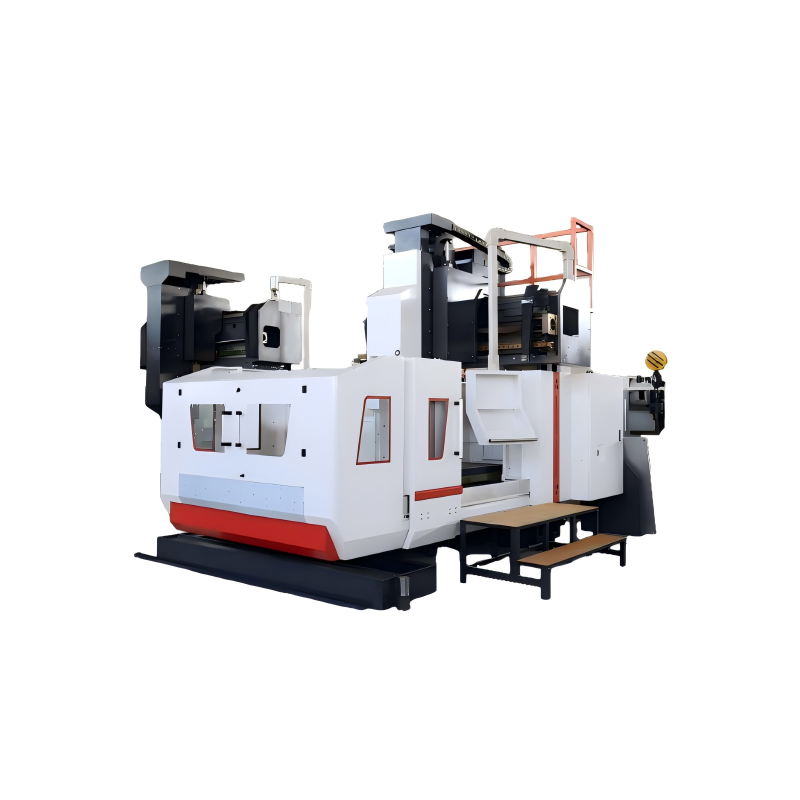
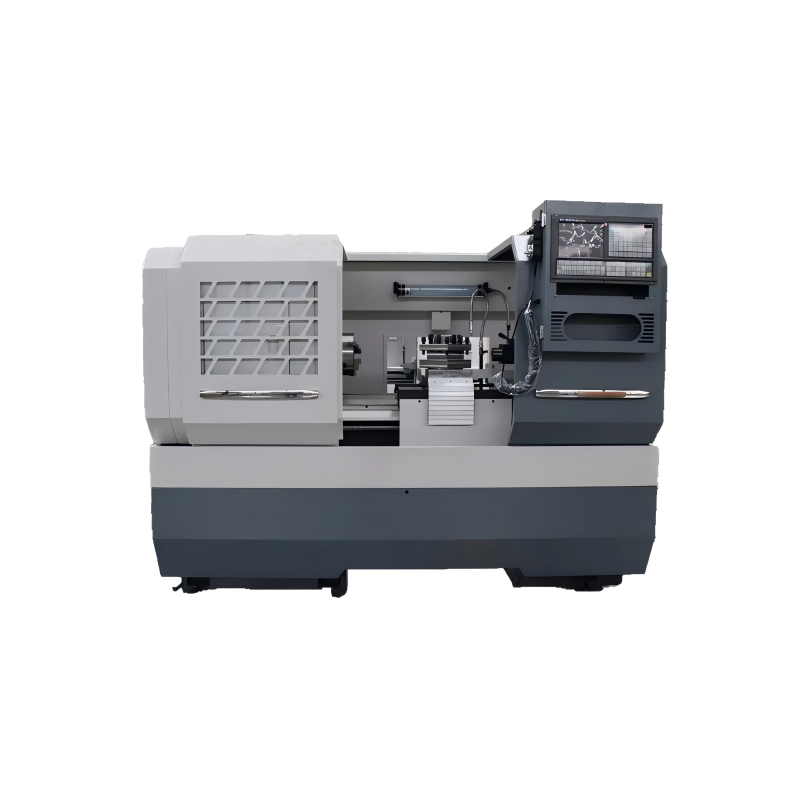
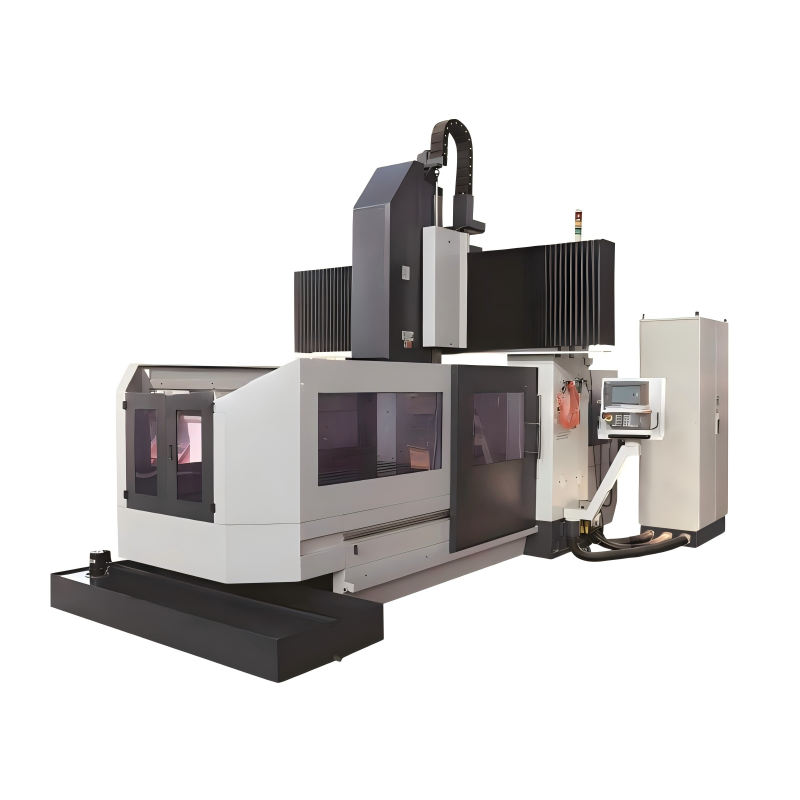
In the domain of mold making, the advent of Precision VMC for Mold Making has revolutionized the way molds are manufactured. The accuracy and repeatability provided by these machines are unparalleled, making them indispensable tools in achieving high-quality molds with tight tolerances. This section delves into why precision VMCs have become a cornerstone in modern mold workshops, highlighting their ability to enhance production efficiency while maintaining exceptional levels of detail and consistency.
To fully leverage the capabilities of a Precision VMC for Mold Making, it is crucial to ensure that the machine is set up and calibrated correctly. This involves several key steps:
By following these setup and calibration best practices, operators can significantly enhance the performance and output of their Precision VMC, leading to more efficient and cost-effective mold production processes.
The reliability and longevity of a Precision VMC for Mold Making heavily depend on regular maintenance. Regular checks and timely servicing help in identifying and addressing potential issues before they escalate into major problems. Here’s a detailed look at what an effective maintenance routine should include:
Adopting a proactive approach to maintenance not only extends the lifespan of the Precision VMC but also ensures that it operates at peak performance, minimizing downtime and maximizing productivity.
Modern Precision VMCs for Mold Making come equipped with advanced software and programming capabilities that allow for greater flexibility and control over the manufacturing process. Mastering these tools can lead to significant improvements in both the speed and accuracy of mold production. Some key areas to focus on include:
By leveraging these advanced software features and programming techniques, mold makers can achieve higher levels of precision and productivity, ultimately enhancing their competitive edge in the market.
The success of any Precision VMC for Mold Making operation relies heavily on the skills and knowledge of the operators. Investing in comprehensive training programs and continuous skill development is essential for ensuring that operators can effectively utilize the full potential of the machine. Key areas to focus on include:
Well-trained and skilled operators not only contribute to the smooth operation of the Precision VMC but also play a critical role in driving innovation and improvement within the mold workshop.
 22/06/2026
In the realm of mold making, precision and durability are not just desirable; they are essential. The introduction of Precision Vertical Machining Centers (VMC) has revolutionized the industry by offering unparalleled accuracy, efficiency, and longevity.
Read More22/06/2026In the world of manufacturing, precision and efficiency are paramount. For industries that rely on mold making, the introduction of Precision VMC (Vertical Machining Center) technology has revolutionized production processes, enhancing both accuracy and p
Read More21/06/2026In the competitive landscape of manufacturing, achieving high-quality and consistent mold production is not just a goal but a necessity. The introduction of Precision VMC (Vertical Machining Center) for mold making has significantly transformed the indust
Read More21/06/2026In the ever-evolving landscape of manufacturing, the precision VMC (Vertical Machining Center) has emerged as a pivotal technology for mold making. This report delves into the future trends and developments in precision VMC, highlighting its significance
Read More21/06/2026IntroductionIn the realm of mold making, precision is not just a preference but an absolute necessity. The quality and accuracy of molds directly impact the final product's performance, durability, and overall aesthetics. A Precision VMC for Mold Making i
Read More20/06/2026In the rapidly evolving world of manufacturing, precision and efficiency are key drivers for success. One area where these factors play a particularly critical role is in mold making. The introduction of state-of-the-art Precision VMC (Vertical Machining
Read More20/06/2026In the world of mold making, precision is not just a preference but a necessity. The right machine can make all the difference between a successful project and one that falls short. Among the various types of machines available, the Precision VMC (Vertica
Read More20/06/2026In the world of manufacturing, precision is not just a preference but a necessity, especially when it comes to mold making. The introduction and evolution of Precision Vertical Machining Centers (VMC) have significantly transformed this industry by enhanc
Read More19/06/2026In the realm of mold making, precision is not just a preference; it's an absolute necessity. The ability to produce molds with high accuracy directly impacts the quality and functionality of the final products. This technical report delves into how advanc
Read More19/06/2026In the world of mold making, precision is not just a preference; it's an absolute necessity. The ability to create molds with intricate details and high accuracy can significantly impact the quality and efficiency of the final product. This report explore
Read More19/06/2026Introduction to Precision VMC Technology The manufacturing industry, particularly in the realm of mold making, is constantly evolving. One key driver of this evolution is the advancement in precision VMC (Vertical Machining Center) technology. These machi
Read More18/06/2026In the realm of mold making, precision is not just a desirable attribute; it's an absolute necessity. The advent of Precision Vertical Machining Centers (VMC) has revolutionized how complex molds are designed and manufactured, offering unparalleled accura
Read More18/06/2026In the rapidly evolving world of manufacturing, precision and efficiency are paramount. One area where these factors play a crucial role is in mold making, an industry that demands high accuracy and repeatability. The introduction of Precision VMC for Mol
Read More18/06/2026Understanding the Role of Precision VMC in Mold MakingThe precision Vertical Machining Center (VMC) plays a pivotal role in the mold making industry, where accuracy and repeatability are paramount. These machines are designed to handle complex operations
Read More18/06/2026In the realm of mold making, achieving high-quality results is paramount. The advent of Precision VMC (Vertical Machining Center) has revolutionized this field, enabling manufacturers to produce molds with unparalleled accuracy and efficiency. This report
Read More18/06/2026In the realm of mold production, precision is not just a preference but an absolute necessity. The integration of Precision VMC (Vertical Machining Center) into the manufacturing process has revolutionized the way molds are produced, significantly enhanci
Read More18/06/2026In the realm of modern manufacturing, the demand for precision and efficiency has never been higher. One tool that stands out in meeting these demands is the Precision VMC (Vertical Machining Center) for mold making. This technology not only enhances the
Read MoreOur professional sales team is always ready to assist you.