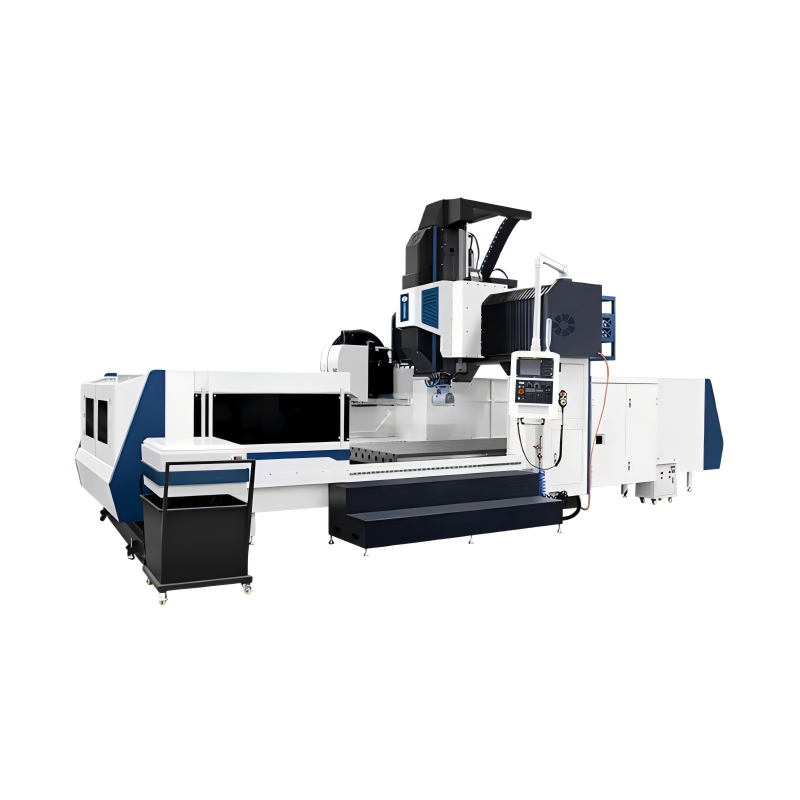
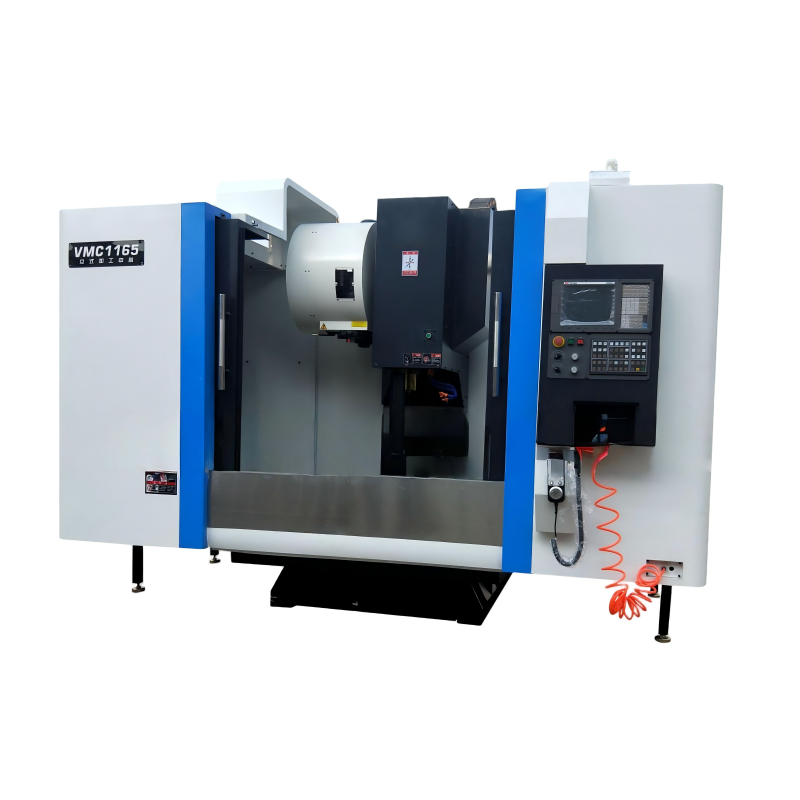
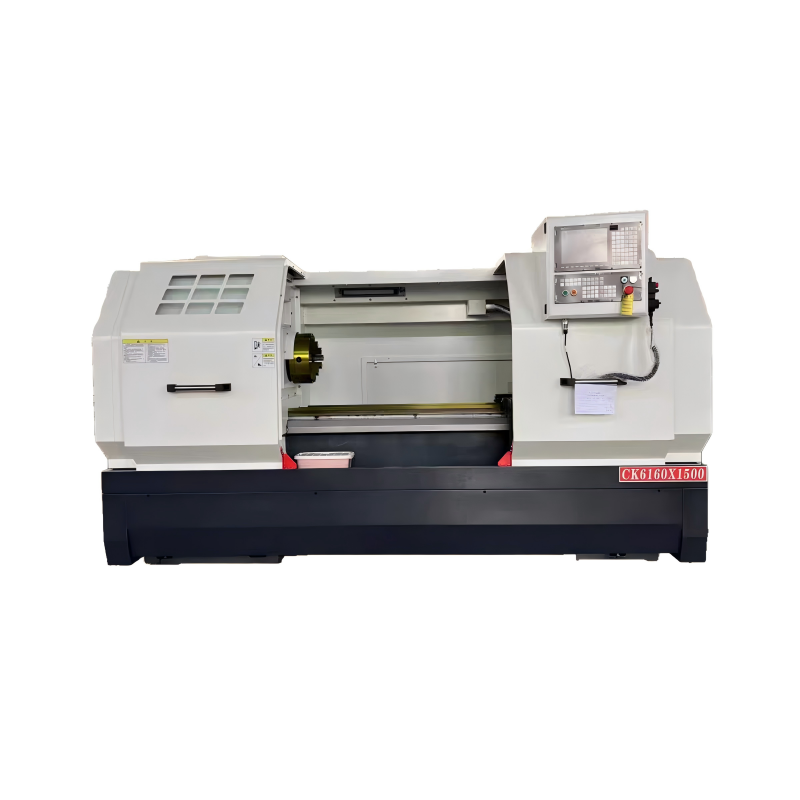
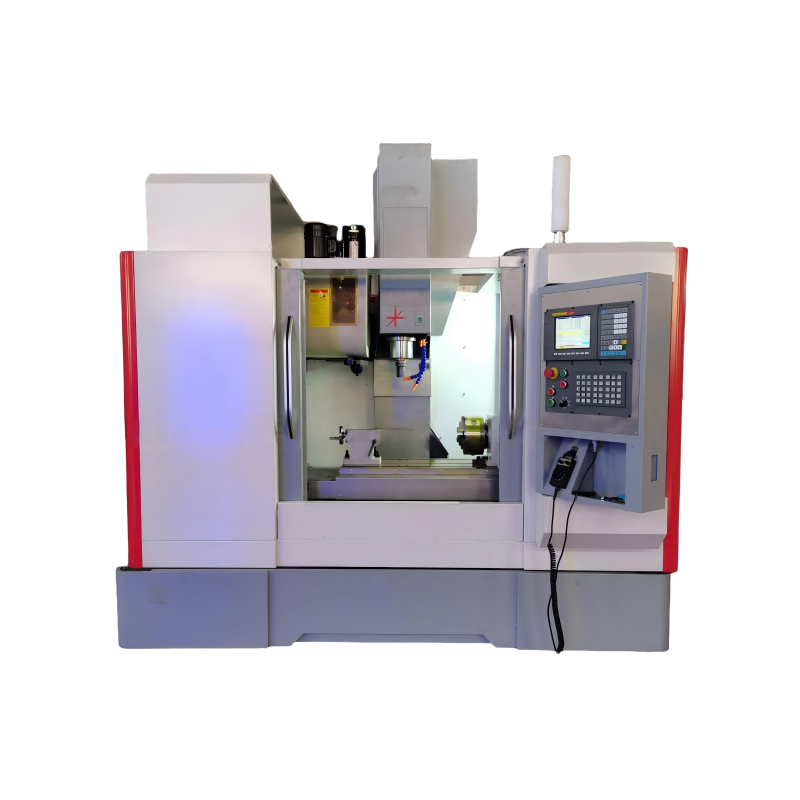
When working with a pipe thread lathe, precision and accuracy are paramount. However, even experienced machinists can make mistakes that compromise the quality of the threads. This report aims to identify common errors made during the operation of a pipe thread lathe and provide solutions to avoid them. By understanding these pitfalls, operators can improve their work efficiency and produce high-quality threaded pipes consistently.
Before beginning any threading operation, it is crucial to ensure that the pipe thread lathe is properly set up. Misalignment or improper setup can lead to uneven threads, which may not fit correctly when assembled. To avoid this, always check the alignment of the lathe and the workpiece. Use precise measuring tools like calipers and micrometers to verify the dimensions and positions. Additionally, make sure the clamping mechanism is secure and stable to prevent any movement during the process.
The selection of the appropriate cutting tool is essential for achieving high-quality threads. Using a worn or incorrect tool can result in poor thread quality, including rough surfaces and inconsistent pitch. Always inspect the cutting tool for signs of wear and replace it if necessary. Ensure that the tool is properly sharpened and adjusted to the correct angle for the specific type of thread being produced. Regular maintenance and proper storage of cutting tools will also help extend their lifespan and maintain their performance.
One of the most common mistakes in pipe thread lathe operations is inconsistent speed. Fluctuations in the speed can cause variations in the thread pitch and depth, leading to poor quality threads. It is important to maintain a consistent speed throughout the threading process. Most modern lathes have variable speed controls, so set the speed according to the material and the desired thread specifications. If the lathe does not have a variable speed control, consider using a speed controller or a tachometer to monitor and adjust the speed as needed.
The feed rate, or the rate at which the cutting tool moves along the workpiece, is another critical factor in producing high-quality threads. A feed rate that is too fast can cause the tool to chatter, resulting in rough and uneven threads. On the other hand, a feed rate that is too slow can lead to excessive heat buildup, which can damage the tool and the workpiece. Consult the manufacturer's guidelines for the recommended feed rates for different materials and thread types. Adjust the feed rate accordingly and monitor the process to ensure smooth and consistent cutting.
Lubrication is essential for reducing friction and heat during the threading process. Insufficient lubrication can cause the cutting tool to overheat, leading to premature wear and potential damage to the workpiece. Use a high-quality cutting fluid that is suitable for the material being worked on. Apply the lubricant continuously and in sufficient quantity to keep the cutting area cool and well-lubricated. For materials like stainless steel and aluminum, which are prone to galling, use a specialized cutting fluid that provides better protection against heat and friction.
In addition to lubrication, effective cooling is necessary to maintain the integrity of the cutting tool and the workpiece. Excessive heat can cause the material to warp or deform, resulting in poor thread quality. Use a coolant system that delivers a steady stream of coolant to the cutting area. This can be achieved through a flood coolant system or a mist coolant system, depending on the specific requirements of the operation. Regularly check the coolant levels and the condition of the coolant system to ensure optimal performance. Additionally, consider using a coolant with rust inhibitors to protect the workpiece from corrosion after the threading process.
After completing the threading operation, it is crucial to inspect the threads for any defects or inconsistencies. Use a thread gauge or a thread ring to check the pitch, depth, and overall quality of the threads. Any deviations from the specified tolerances should be corrected immediately. Additionally, measure the diameter and length of the threaded section to ensure it meets the required specifications. If any issues are found, rework the threads or adjust the lathe settings before proceeding with further operations.
Once the threads are inspected and approved, proper storage and handling are essential to maintain their quality. Store the threaded pipes in a clean, dry environment to prevent rust and contamination. Use protective covers or packaging to shield the threads from physical damage. When transporting the pipes, handle them with care to avoid any dents or scratches that could affect the thread quality. By following these post-processing steps, you can ensure that the threaded pipes remain in excellent condition until they are ready for use.
 08/06/2026
In the realm of metalworking and pipe manufacturing, the pipe thread lathe plays a crucial role in creating precise threads for pipes. This technical report aims to explore best practices that can significantly enhance productivity for operators using a p
Read More07/06/2026Mastering the art of threading with a pipe thread lathe is essential for professionals in the plumbing, manufacturing, and engineering industries. This technical report delves into the intricacies of using a pipe thread lathe to produce high-quality threa
Read More07/06/2026As the manufacturing industry continues to evolve, so does the technology behind pipe thread lathes. These machines play a crucial role in creating precise threads on pipes and other cylindrical components, making them indispensable for industries such as
Read More06/06/2026In the realm of precision engineering, the advent of CNC (Computer Numerical Control) technology has dramatically transformed the manufacturing landscape. One such innovation that stands out is the CNC Pipe Thread Lathe, a sophisticated machine designed t
Read More06/06/2026When it comes to setting up or upgrading your workshop, choosing the right Pipe Thread Lathe is a critical decision. This machine not only influences the quality and efficiency of your work but also affects the overall productivity of your operations. In
Read More06/06/2026Ensuring the longevity and optimal performance of your pipe thread lathe is crucial for maintaining productivity in any workshop. This guide delves into essential maintenance tips, covering everything from regular cleaning to calibration, aimed at helping
Read More05/06/2026Exploring the advanced capabilities of SGS certified CNC lathes, this article delves into how these machines, particularly those specialized in pipe thread lathe operations, can significantly enhance precision and efficiency in manufacturing processes. Th
Read More05/06/2026In today's fast-paced manufacturing environment, the demand for high-precision and efficient machinery has never been greater. The Pipe Thread Lathe stands out as a critical tool in achieving these goals, especially when it comes to producing threaded pip
Read More05/06/2026A Comprehensive Guide to Operating a Pipe Thread Lathe provides an in-depth look into the intricacies of using this specialized machinery. This guide is designed for both beginners and experienced operators, offering step-by-step instructions, safety tips
Read More05/06/2026In the realm of modern machining, pipe thread lathes play a pivotal role in producing high-precision threads for various industrial applications. This technical report explores the evolution and importance of pipe thread lathes, highlighting their advance
Read More04/06/2026In the realm of precision machining, mastering the use of a pipe thread lathe is essential for producing high-quality threaded components. This report delves into advanced techniques that can significantly enhance the accuracy and efficiency of pipe threa
Read More04/06/2026Understanding the basics of a pipe thread lathe is crucial for anyone involved in the manufacturing, repair, or maintenance of pipes and related components. A pipe thread lathe is a specialized machine used to create threads on the ends of pipes, ensuring
Read More28/05/2026A pipe thread lathe is a specialized piece of machinery used in the manufacturing and maintenance of pipes, especially for creating precise threading. Proper maintenance of this equipment is essential to ensure its longevity and optimal performance. This
Read More28/05/2026In the realm of precision engineering, mastering the art of pipe threading on a lathe is an essential skill for any machinist. This technique not only demands a high level of accuracy but also requires a deep understanding of the tools and processes invol
Read More28/05/2026Understanding the basics of pipe thread lathe operations is crucial for anyone involved in manufacturing or repairing pipes, as well as for those who wish to delve into the intricacies of machining. A Pipe Thread Lathe is a specialized machine designed to
Read MoreOur professional sales team is always ready to assist you.