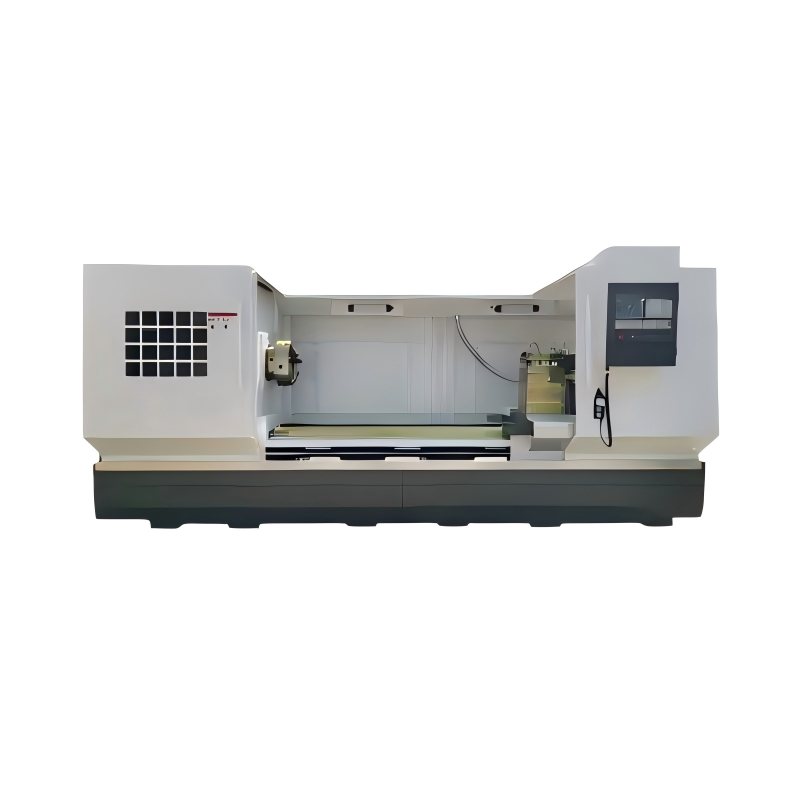
In the realm of precision machining, lathes play an indispensable role in shaping various components. When it comes to working with long shafts, however, standard lathes may not always deliver the desired performance. This report delves into the customization of lathes for optimal long shaft performance, providing insights and recommendations that can significantly enhance the efficiency and accuracy of your machining processes.
Machining long shafts presents unique challenges that are not typically encountered when working with shorter components. The primary issues include:
Addressing these challenges requires a thorough understanding of the specific requirements of long shaft machining and the appropriate modifications to the lathe.
One of the most critical aspects of customizing a lathe for long shafts is enhancing its stability and support. This can be achieved through several key modifications:
By implementing these modifications, the lathe can be optimized to handle long shafts with greater precision and stability.
Effective tooling and cutting parameters are vital for achieving high-quality results when machining long shafts. Consider the following optimizations:
By optimizing the tooling and cutting parameters, you can achieve better control over the machining process and produce high-quality long shafts with consistent dimensions and excellent surface finishes.
Advanced control systems can greatly enhance the performance of a lathe for long shaft machining. These systems provide real-time monitoring and adjustments, ensuring that the machining process remains within specified tolerances. Key features to consider include:
By integrating advanced control systems, you can achieve a higher level of precision and consistency in your long shaft machining operations.
Customizing your lathe for optimal long shaft performance involves addressing the unique challenges associated with machining long components. By enhancing stability and support, optimizing tooling and cutting parameters, and implementing advanced control systems, you can significantly improve the efficiency and accuracy of your machining processes. These modifications not only ensure the production of high-quality long shafts but also contribute to the overall productivity and profitability of your manufacturing operations.
 26/06/2026
When it comes to machining long shafts, the right lathe is an indispensable tool. The challenges associated with long shaft machining are numerous, from maintaining straightness and roundness to managing vibrations and deflections. This technical report w
Read More26/06/2026In the realm of precision engineering, the machining of long shafts presents unique challenges that demand specific solutions. A lathe for long shafts is not merely a tool but a critical component in ensuring the quality and accuracy of the final product.
Read More25/06/2026When it comes to machining long shafts, the lathe is a fundamental tool that requires careful consideration of various factors to ensure high-quality results. One of the most critical aspects in this process is stability, which directly impacts the precis
Read More25/06/2026In the realm of manufacturing, the lathe for long shaft plays a crucial role in producing high-precision components. This technical report aims to explore best practices that can significantly enhance productivity when working with lathes and long shafts.
Read More25/06/2026The evolution of machining technology has witnessed significant advancements, particularly in the design and capabilities of lathes used for long shaft applications. This report delves into recent innovations that have transformed how manufacturers approa
Read More25/06/2026Working with a lathe for long shafts requires not only precision but also a deep understanding of the machinery involved. This guide aims to provide you with comprehensive insights into maintaining your lathe, ensuring it remains in optimal condition for
Read More24/06/2026In the realm of mechanical engineering, working with long shafts requires a high degree of precision and skill. The lathe for long shaft is an essential tool in this process, allowing for the creation of components that meet stringent specifications. This
Read More24/06/2026In the field of precision engineering, the turning of long shafts on a lathe presents unique challenges that demand specialized techniques and tools. This technical report explores advanced methodologies for effectively handling such tasks, focusing on im
Read More24/06/2026The Importance of Precision in Initial SetupWhen it comes to machining long shafts, the initial setup is a critical phase that sets the stage for the entire process. A lathe for long shaft requires meticulous attention to detail to ensure that the final p
Read More24/06/2026When it comes to the manufacturing of long shafts, a lathe for long shaft plays an indispensable role. This machine is specifically designed to handle the unique challenges that come with turning and shaping long cylindrical components. In this technical
Read More23/06/2026The lathe for long shaft operations is a specialized piece of machinery designed to handle the unique challenges associated with machining extended lengths. This report delves into the critical aspects of operating such lathes, focusing on setup considera
Read More23/06/2026Working with a lathe, especially when dealing with long shafts, presents unique challenges and requires a specialized set of skills. This report aims to provide essential tips for effectively using a lathe for long shaft machining. The following sections
Read More23/06/2026A lathe for long shaft is a specialized machine designed to work with elongated pieces of material, such as metal or wood. These machines are essential in industries that require precision and accuracy when working on long, cylindrical objects. This techn
Read More23/06/2026Understanding the Specific Needs of Long Shaft ProjectsWhen it comes to machining long shafts, understanding the unique requirements and challenges is crucial. A Lathe for Long Shaft must be capable of handling not only the length but also the precision a
Read MoreOur professional sales team is always ready to assist you.