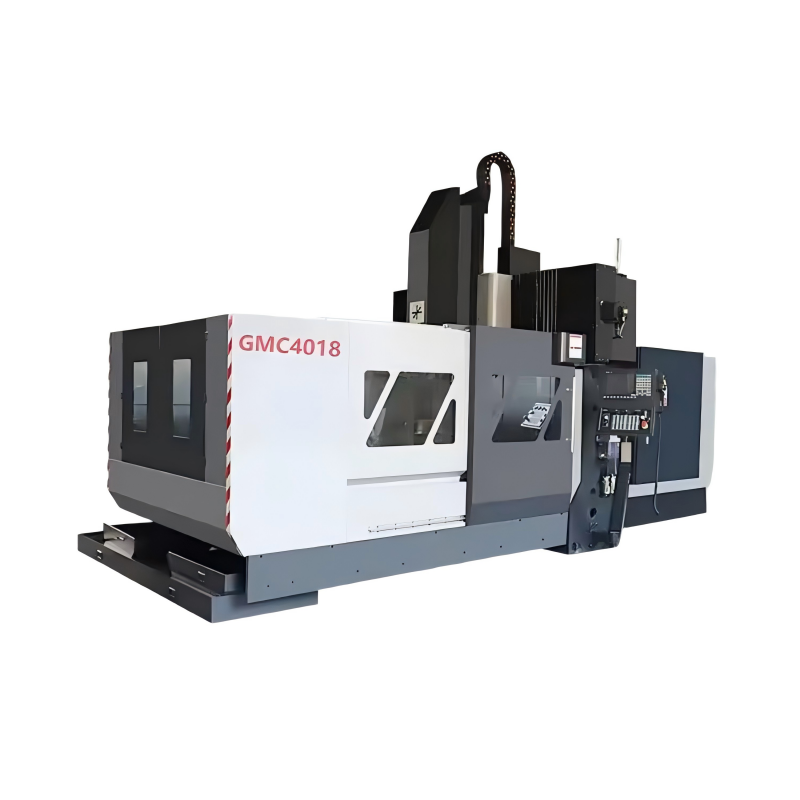
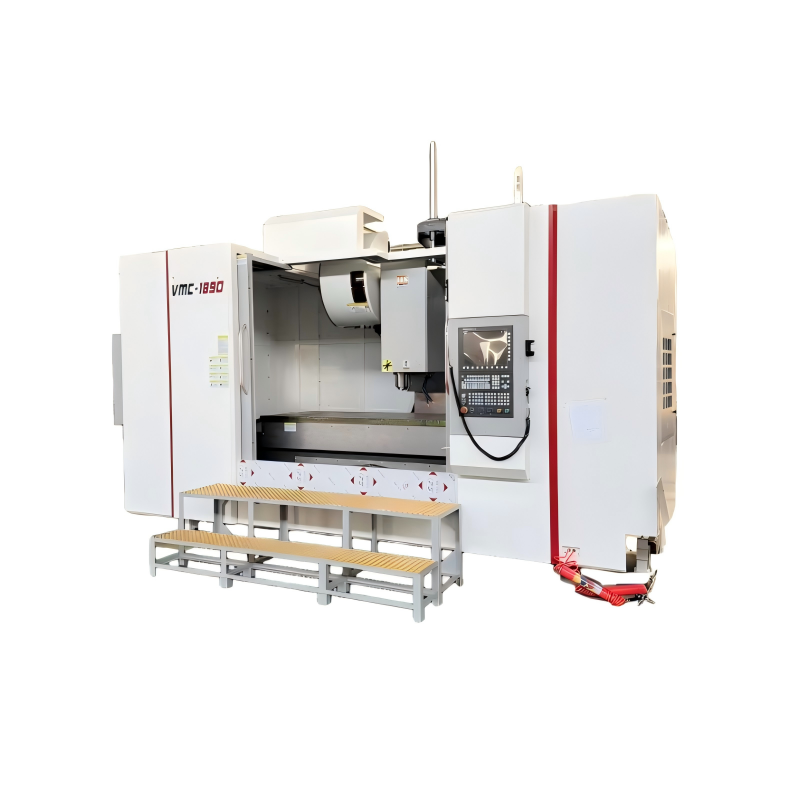
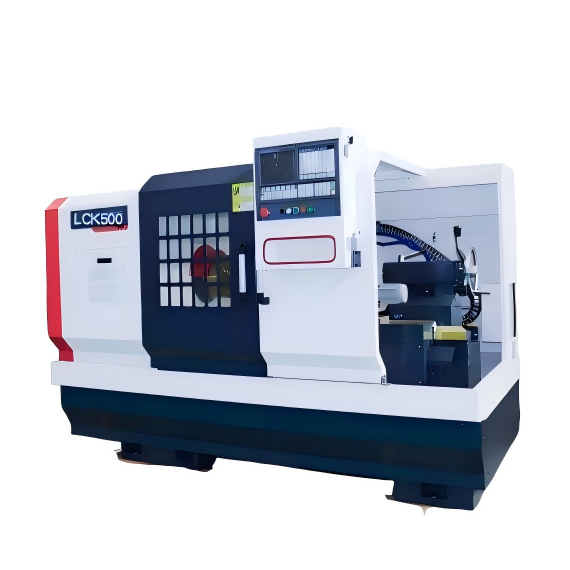
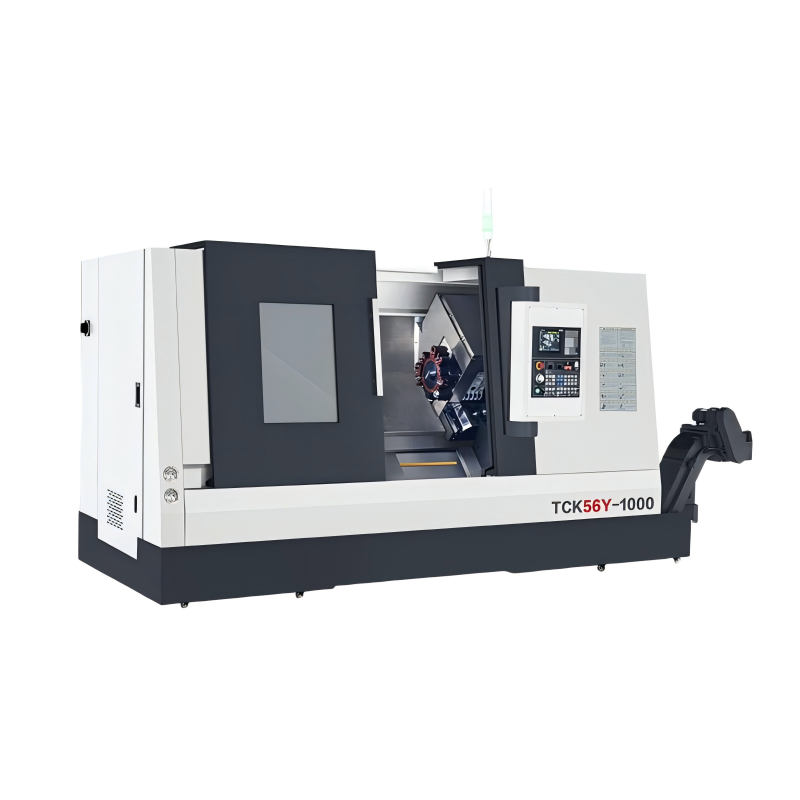
In the realm of precision engineering, the machining of long shafts presents unique challenges that demand specific solutions. A lathe for long shafts is not merely a tool but a critical component in ensuring the quality and accuracy of the final product. This technical report delves into the importance of rigidity in lathes designed for long shaft machining, highlighting key factors that contribute to the success of such operations.
Rigidity is a fundamental characteristic of any machine tool, but it becomes particularly crucial when dealing with long shafts. The term "rigidity" refers to the ability of a structure to resist deformation under applied loads. In the context of lathes for long shafts, rigidity ensures that the machine can maintain its alignment and stability during the cutting process, which is essential for achieving high-precision results. High rigidity minimizes vibrations and deflections, leading to better surface finishes and dimensional accuracy. For instance, a lathe for long shafts with robust construction and well-designed support mechanisms can significantly reduce the risk of chatter and other detrimental effects that compromise the quality of the machined part.
To achieve optimal rigidity, several design considerations must be taken into account. Firstly, the base of the lathe should be constructed from heavy-duty materials, such as cast iron or steel, to provide a stable foundation. Additionally, the bed of the lathe, which supports the workpiece, should be wide and thick to minimize flexing. The use of box-type guideways, rather than V-guideways, can also enhance rigidity by providing more contact area and better load distribution. Another important aspect is the spindle design; a large-diameter, high-torque spindle with minimal runout is essential for maintaining the integrity of the machining process. Finally, the integration of hydraulic or mechanical tailstocks can further stabilize the workpiece, especially for very long shafts, by providing additional support at the far end.
The impact of rigidity extends beyond just the structural integrity of the machine. It also plays a significant role in tool life and the quality of the surface finish. When a lathe for long shafts is highly rigid, the cutting tools experience less vibration and stress, leading to longer tool life and reduced wear. This, in turn, reduces the frequency of tool changes and the associated downtime, improving overall productivity. Moreover, a rigid machine allows for finer control over the cutting parameters, such as feed rate and depth of cut, resulting in smoother and more consistent surface finishes. The elimination of chatter marks and other surface irregularities is particularly important in industries where the aesthetic and functional qualities of the machined parts are paramount.
Advancements in technology have led to the development of innovative solutions for enhancing the rigidity of lathes for long shafts. One such advancement is the use of finite element analysis (FEA) in the design phase. FEA allows engineers to simulate the behavior of the machine under various loading conditions, identifying potential weak points and optimizing the design for maximum rigidity. Another technological breakthrough is the integration of active damping systems, which use sensors and actuators to counteract vibrations in real-time. These systems can significantly improve the performance of the lathe, even under demanding conditions. Additionally, the use of composite materials, such as carbon fiber and ceramics, in critical components can provide enhanced stiffness while reducing weight, further contributing to the overall rigidity of the machine.
Investing in a lathe for long shafts with high rigidity offers numerous economic and operational benefits. From an economic standpoint, the increased tool life and reduced maintenance costs result in lower operational expenses over the long term. The improved surface finish and dimensional accuracy also lead to higher product quality, which can enhance the marketability and competitiveness of the finished parts. Operationally, a rigid lathe allows for faster and more efficient machining, reducing cycle times and increasing throughput. This is particularly valuable in high-volume production environments where every minute counts. Furthermore, the reliability and consistency of a high-rigidity lathe can lead to fewer rejections and scrap, thereby improving overall yield and profitability.
In conclusion, the importance of rigidity in lathes for long shaft machining cannot be overstated. A well-designed, highly rigid lathe is essential for achieving the precision, quality, and efficiency required in modern manufacturing. By understanding the key factors that contribute to rigidity and leveraging the latest technological advancements, manufacturers can ensure that their lathes for long shafts deliver the best possible results, driving both economic and operational success.
 26/06/2026
When it comes to machining long shafts, the right lathe is an indispensable tool. The challenges associated with long shaft machining are numerous, from maintaining straightness and roundness to managing vibrations and deflections. This technical report w
Read More26/06/2026In the realm of precision machining, lathes play an indispensable role in shaping various components. When it comes to working with long shafts, however, standard lathes may not always deliver the desired performance. This report delves into the customiza
Read More25/06/2026When it comes to machining long shafts, the lathe is a fundamental tool that requires careful consideration of various factors to ensure high-quality results. One of the most critical aspects in this process is stability, which directly impacts the precis
Read More25/06/2026In the realm of manufacturing, the lathe for long shaft plays a crucial role in producing high-precision components. This technical report aims to explore best practices that can significantly enhance productivity when working with lathes and long shafts.
Read More25/06/2026The evolution of machining technology has witnessed significant advancements, particularly in the design and capabilities of lathes used for long shaft applications. This report delves into recent innovations that have transformed how manufacturers approa
Read More25/06/2026Working with a lathe for long shafts requires not only precision but also a deep understanding of the machinery involved. This guide aims to provide you with comprehensive insights into maintaining your lathe, ensuring it remains in optimal condition for
Read More24/06/2026In the realm of mechanical engineering, working with long shafts requires a high degree of precision and skill. The lathe for long shaft is an essential tool in this process, allowing for the creation of components that meet stringent specifications. This
Read More24/06/2026In the field of precision engineering, the turning of long shafts on a lathe presents unique challenges that demand specialized techniques and tools. This technical report explores advanced methodologies for effectively handling such tasks, focusing on im
Read More24/06/2026The Importance of Precision in Initial SetupWhen it comes to machining long shafts, the initial setup is a critical phase that sets the stage for the entire process. A lathe for long shaft requires meticulous attention to detail to ensure that the final p
Read More24/06/2026When it comes to the manufacturing of long shafts, a lathe for long shaft plays an indispensable role. This machine is specifically designed to handle the unique challenges that come with turning and shaping long cylindrical components. In this technical
Read More23/06/2026The lathe for long shaft operations is a specialized piece of machinery designed to handle the unique challenges associated with machining extended lengths. This report delves into the critical aspects of operating such lathes, focusing on setup considera
Read More23/06/2026Working with a lathe, especially when dealing with long shafts, presents unique challenges and requires a specialized set of skills. This report aims to provide essential tips for effectively using a lathe for long shaft machining. The following sections
Read More23/06/2026A lathe for long shaft is a specialized machine designed to work with elongated pieces of material, such as metal or wood. These machines are essential in industries that require precision and accuracy when working on long, cylindrical objects. This techn
Read More23/06/2026Understanding the Specific Needs of Long Shaft ProjectsWhen it comes to machining long shafts, understanding the unique requirements and challenges is crucial. A Lathe for Long Shaft must be capable of handling not only the length but also the precision a
Read MoreOur professional sales team is always ready to assist you.