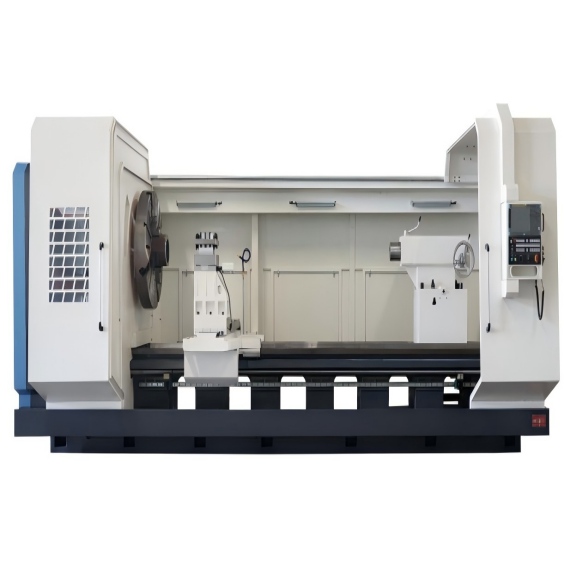
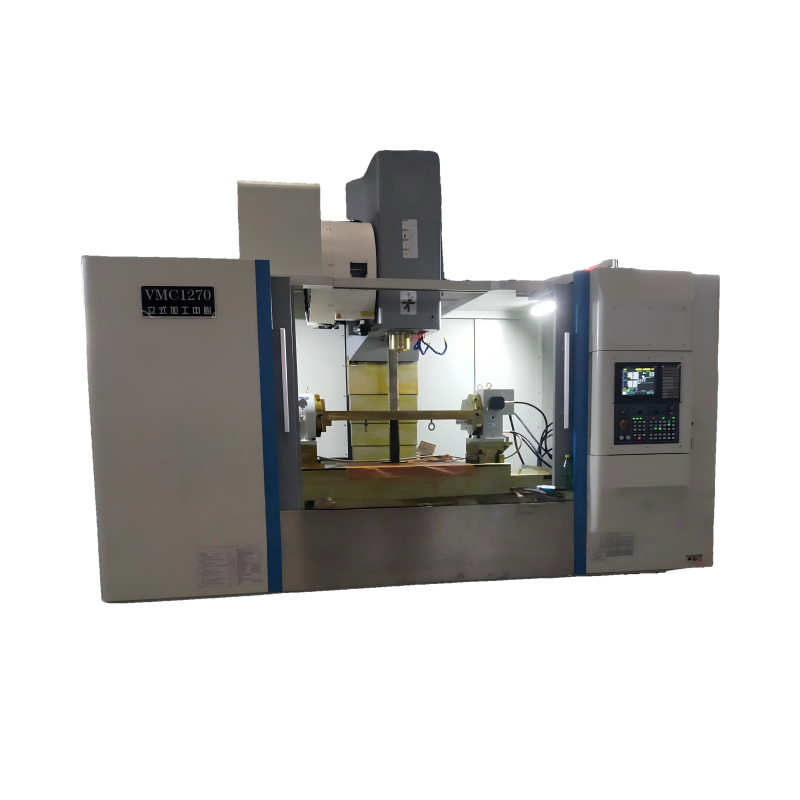
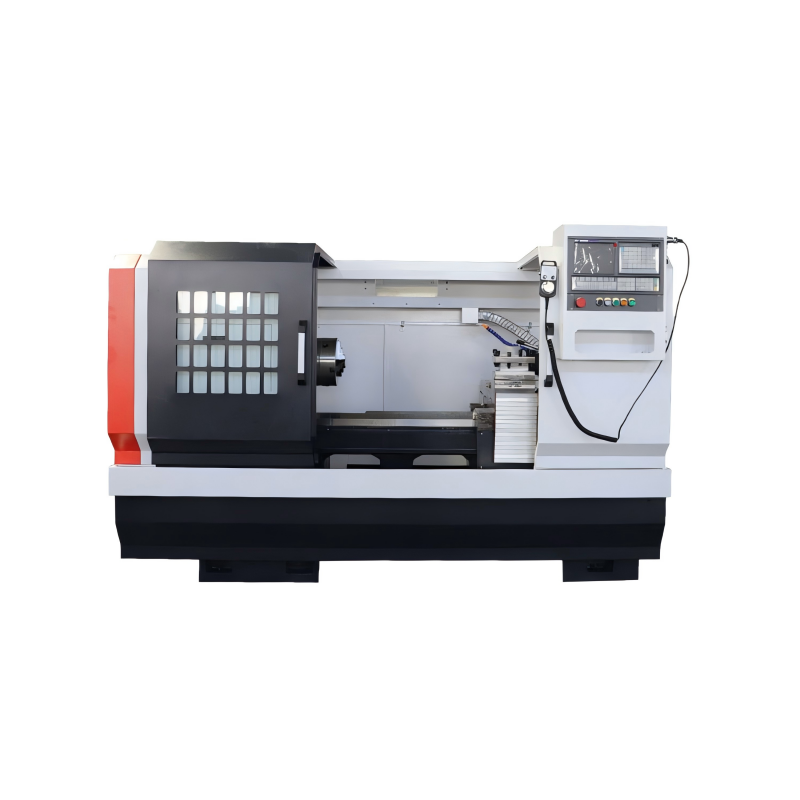
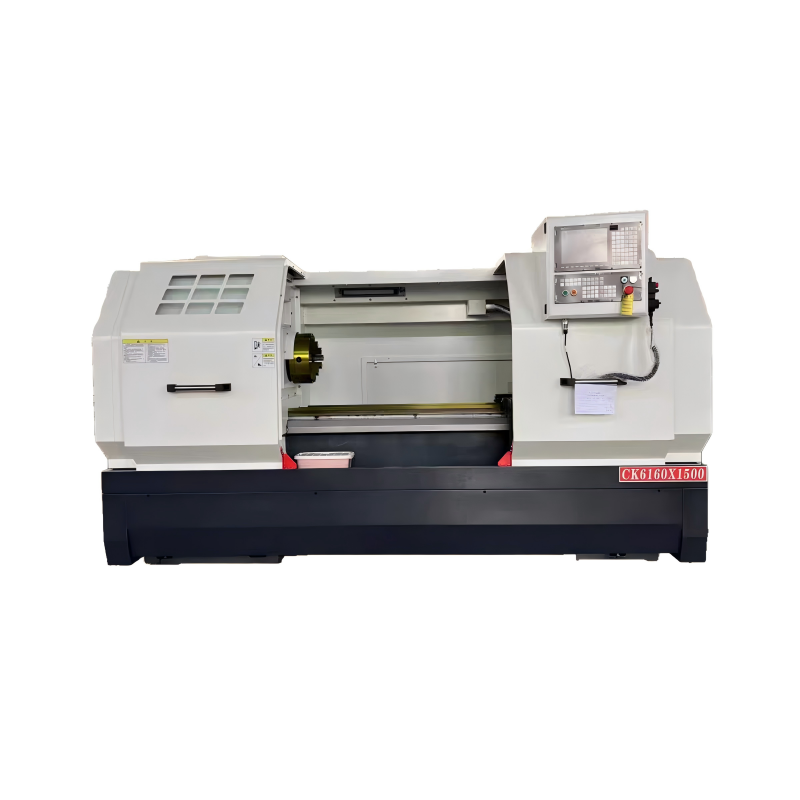
In the realm of precision engineering, the high rigidity horizontal Machining Center plays a pivotal role in delivering high-precision, high-efficiency, and high-stability machining solutions. As the global demand for such advanced machinery continues to grow, understanding the best practices for exporting CNC lathes from China is essential for manufacturers and exporters. This technical report aims to provide a comprehensive guide on the key aspects and strategies that can help ensure a successful export process.
The first step in successfully exporting CNC Lathes is to thoroughly understand the market demand and customer requirements. This involves conducting market research to identify the specific needs of potential buyers, including their preferred features, performance metrics, and budget constraints. By aligning your product offerings with these requirements, you can better position your CNC lathes in the international market.
For instance, a high rigidity Horizontal Machining Center is often sought after for its ability to handle heavy-duty operations with minimal vibration and deflection. Understanding this, manufacturers should focus on highlighting the robust construction, high-precision components, and advanced control systems that make their machines stand out.
Compliance with international standards and regulations is crucial for the smooth export of CNC lathes. Different countries have varying requirements for safety, quality, and environmental impact. It is essential to familiarize yourself with these standards and ensure that your products meet or exceed them.
For example, the CE mark is mandatory for machinery exported to the European Union, indicating compliance with EU health, safety, and environmental protection standards. Similarly, the UL (Underwriters Laboratories) certification is required for exports to the United States. By obtaining the necessary certifications, you can build trust with your customers and avoid potential legal and financial issues.
Efficient logistics and supply chain management are critical for the timely and cost-effective delivery of CNC lathes. This includes selecting reliable shipping partners, optimizing packaging to prevent damage during transit, and ensuring clear communication with all stakeholders involved in the export process.
One effective strategy is to establish a strong relationship with a trusted freight forwarder who has experience in handling heavy machinery. They can provide valuable insights into the most efficient routes, modes of transportation, and customs clearance procedures. Additionally, investing in robust packaging materials and techniques can significantly reduce the risk of damage during shipping, thereby minimizing returns and customer dissatisfaction.
After-sales support is a key differentiator in the competitive market of CNC lathes. Offering comprehensive support, including installation, training, maintenance, and repair services, can greatly enhance customer satisfaction and loyalty. This not only helps in retaining existing customers but also in attracting new ones through positive word-of-mouth.
To provide effective after-sales support, it is essential to have a well-trained and responsive service team. Additionally, maintaining a robust inventory of spare parts and consumables ensures that any issues can be resolved quickly, minimizing downtime for your customers. Leveraging technology, such as remote diagnostics and online support platforms, can further enhance the efficiency and effectiveness of your after-sales support.
Building a strong brand presence and implementing effective marketing strategies are vital for increasing the visibility and appeal of your CNC lathes in the international market. This includes developing a compelling brand story, creating high-quality marketing materials, and leveraging digital marketing channels to reach a broader audience.
One effective approach is to participate in international trade shows and exhibitions, where you can showcase your High rigidity horizontal machining centers and network with potential buyers. Additionally, investing in a user-friendly website and active social media presence can help you engage with customers, share success stories, and provide valuable information about your products and services.
In conclusion, exporting CNC lathes from China requires a multifaceted approach that encompasses market research, regulatory compliance, logistics optimization, after-sales support, and strategic marketing. By focusing on these key areas, manufacturers can successfully navigate the complexities of the international market and achieve long-term growth and success.
 23/06/2026
The advent of the high rigidity horizontal machining center has marked a significant milestone in the field of precision engineering. This article delves into the transformative impact of these advanced machines, exploring their technical advantages and p
Read More22/06/2026In the realm of industrial manufacturing, the high rigidity horizontal machining center has become an indispensable tool for precision and efficiency. This article delves into the capabilities of floor type horizontal machining centers, exploring their ad
Read More22/06/2026The Evolution of Horizontal Machining Centers Over the past few decades, the manufacturing industry has witnessed a significant transformation with the advent of high rigidity horizontal machining centers. These advanced machines have revolutionized the w
Read More22/06/2026As the manufacturing industry continues to evolve, so too does the technology that powers it. One of the most significant advancements in recent years has been the development of high rigidity horizontal machining centers and advanced CNC lathes specifica
Read More22/06/2026In the realm of manufacturing, high rigidity horizontal machining centers have become a cornerstone for achieving unparalleled precision and efficiency. These advanced machines are designed to handle complex and large-scale components with ease, making th
Read More17/06/2026In the realm of manufacturing and engineering, the concept of a high rigidity horizontal machining center (HMC) is not just a buzzword but a critical factor that significantly influences the quality, efficiency, and overall performance of the machining pr
Read More17/06/2026The high rigidity horizontal machining center is a critical piece of equipment in the modern manufacturing industry, offering numerous advantages over its counterparts. This report aims to explore the key benefits that make these machines indispensable fo
Read More17/06/2026In the realm of precision engineering, the high rigidity horizontal machining center stands as a pivotal innovation, offering unparalleled accuracy and efficiency. This report delves into the critical aspects of these machines, exploring their design, per
Read More17/06/2026The advent of high rigidity horizontal machining centers has revolutionized the manufacturing industry, offering unparalleled precision, efficiency, and versatility. This report delves into the capabilities of these advanced machines, exploring their uniq
Read More17/06/2026In the ever-evolving landscape of advanced manufacturing, the demand for precision, efficiency, and durability has never been higher. One of the key technologies that have risen to meet these challenges is the high rigidity horizontal machining center. Th
Read MoreOur professional sales team is always ready to assist you.