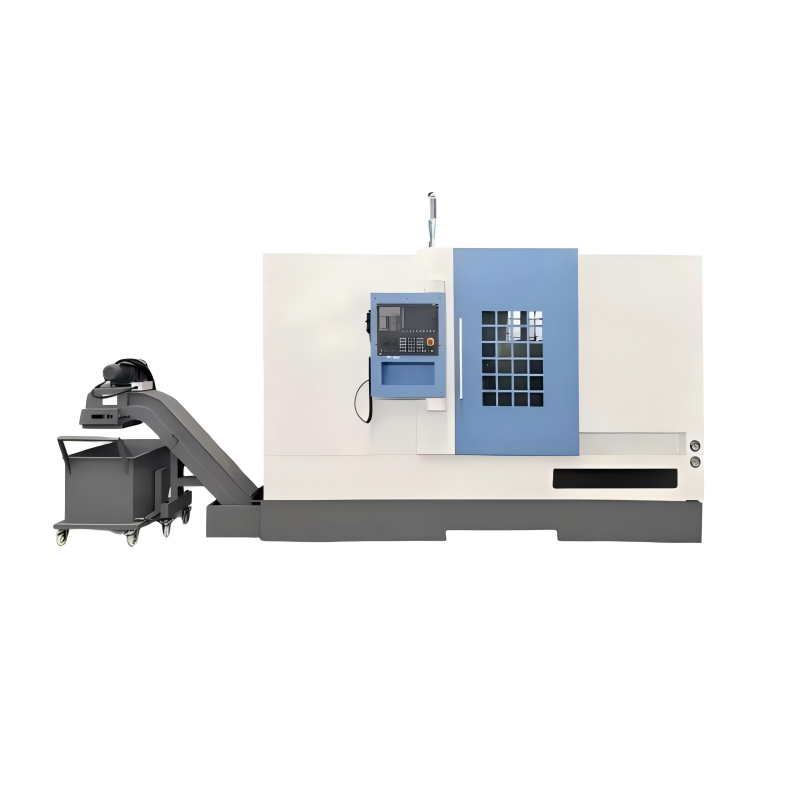
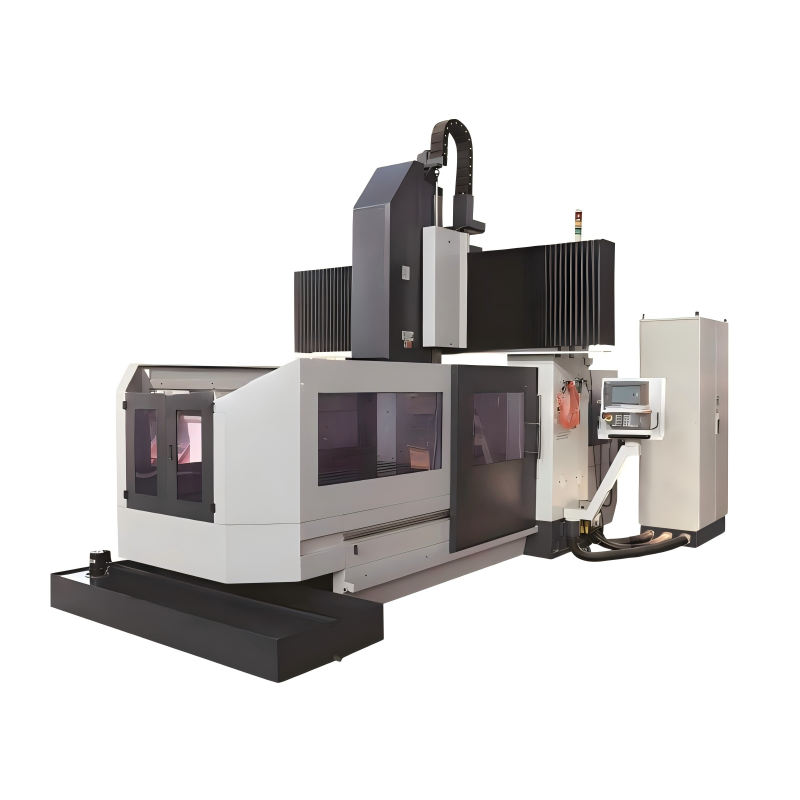
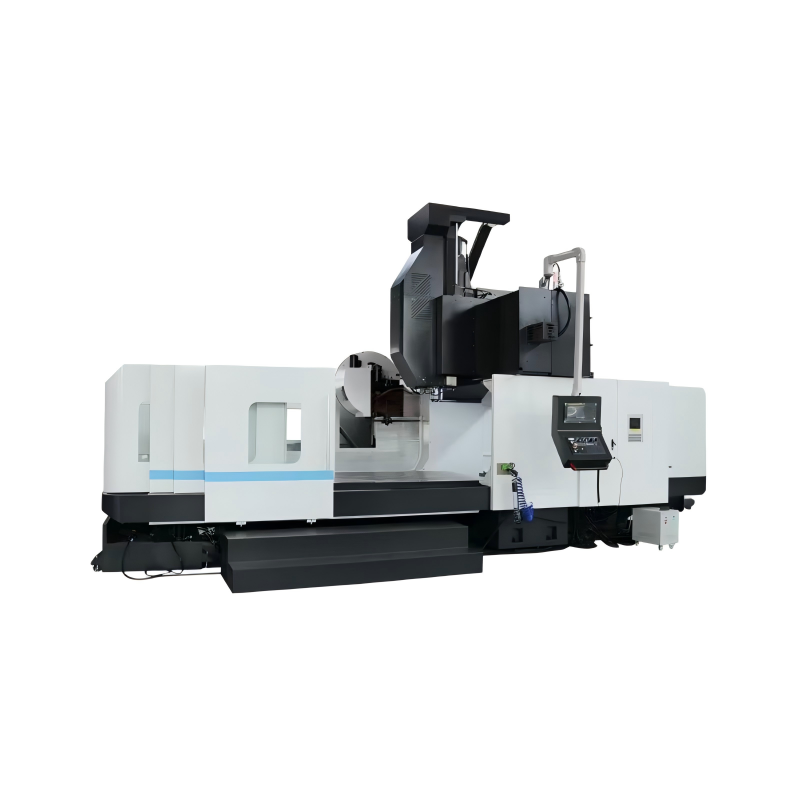
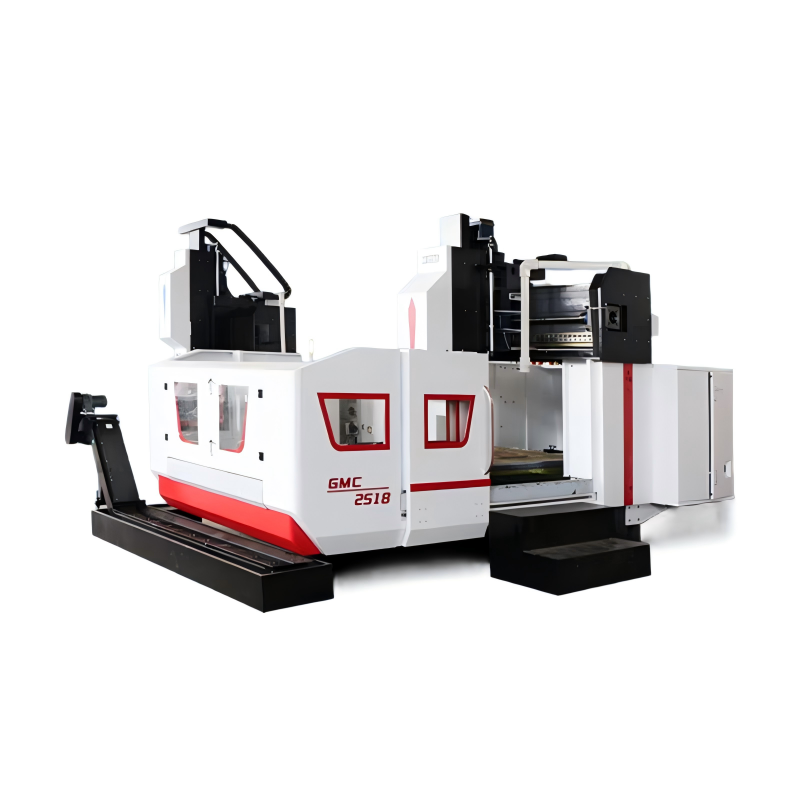
While the title "Enhancing Efficiency with a Universal Milling Machine" may seem to focus solely on milling machines, it is important to recognize that the principles of efficiency and productivity can be extended across various types of machinery, including the Flat Bed Lathe. This report will explore how advancements in machining technology, particularly through the use of universal milling machines, can also inform and enhance the performance of flat bed lathes. By examining the synergies between these two types of equipment, we can gain insights into optimizing manufacturing processes for greater efficiency and output.
One of the key areas where both universal milling machines and flat bed lathes have seen significant improvements is in the integration of advanced control systems. Modern CNC (Computer Numerical Control) systems provide precise and automated control over the machining process, reducing the need for manual intervention and minimizing human error. For a flat bed lathe, this means that complex turning operations can be programmed and executed with high precision, leading to faster production times and higher quality outputs.
The use of sophisticated software and algorithms allows for real-time monitoring and adjustment of cutting parameters, such as speed and feed rates, which can significantly improve the surface finish and dimensional accuracy of machined parts. Additionally, the ability to store and recall programs for different jobs reduces setup time, further enhancing the overall efficiency of the machine.
Another critical aspect of enhancing efficiency in manufacturing is the implementation of material handling and automation solutions. In the context of a universal milling machine, this might involve the use of automatic tool changers, pallet changers, and robotic arms to load and unload workpieces. Similarly, for a flat bed lathe, integrating automated material handling systems can streamline the workflow and reduce downtime.
Automated systems can handle the loading and unloading of raw materials, as well as the removal of finished parts, allowing the operator to focus on more value-added tasks. This not only increases the throughput of the machine but also improves safety by reducing the need for manual handling of heavy or sharp components. Furthermore, the use of bar feeders and part catchers can enable continuous operation, even during off-peak hours, maximizing the utilization of the machine.
The choice of tooling and cutting technology plays a crucial role in the performance of both universal milling machines and flat bed lathes. High-quality cutting tools, designed for specific materials and applications, can significantly enhance the efficiency and longevity of the machining process. For example, the use of coated carbide inserts in a flat bed lathe can result in longer tool life and improved cutting speeds, thereby increasing productivity.
Additionally, the development of new cutting strategies, such as high-speed machining and adaptive cutting, can further optimize the machining process. These techniques involve adjusting the cutting parameters in real-time based on the material properties and the condition of the tool, ensuring that the machine operates at its peak efficiency. By adopting these advanced tooling and cutting technologies, manufacturers can achieve higher levels of precision and consistency, while also reducing the overall cost of production.
Regular maintenance and the reliability of the machine are essential factors in maintaining high levels of efficiency. Both universal milling machines and flat bed lathes require periodic servicing to ensure optimal performance. Implementing a proactive maintenance schedule, which includes regular inspections, lubrication, and the replacement of worn parts, can prevent unexpected breakdowns and minimize downtime.
Modern machines often come equipped with diagnostic tools and sensors that can monitor the health of the machine in real-time. These systems can alert operators to potential issues before they become critical, allowing for timely repairs and preventing costly interruptions in the production process. For a flat bed lathe, this might involve monitoring the condition of the spindle, bearings, and other critical components to ensure they are operating within specified tolerances.
Furthermore, investing in training for operators and maintenance personnel can help ensure that the machine is used and maintained correctly. Well-trained staff can identify and address issues more effectively, leading to a more reliable and efficient operation.
In today’s data-driven world, the ability to collect and analyze operational data is becoming increasingly important for optimizing manufacturing processes. Both universal milling machines and flat bed lathes can benefit from the integration of data collection and analysis tools. By collecting data on machine performance, such as cycle times, tool wear, and energy consumption, manufacturers can gain valuable insights into the efficiency of their operations.
This data can be used to identify bottlenecks and inefficiencies, allowing for targeted improvements. For example, if the data shows that a particular step in the machining process is consistently causing delays, steps can be taken to streamline that step or find alternative methods. Additionally, predictive analytics can be used to forecast future maintenance needs and optimize production schedules, further enhancing the overall efficiency of the machine.
In conclusion, while the focus of this report is on the enhancements that can be achieved with a universal milling machine, many of the same principles and technologies can be applied to a flat bed lathe. By integrating advanced control systems, implementing material handling and automation solutions, utilizing high-quality tooling and cutting technologies, maintaining the machine’s reliability, and leveraging data-driven decision making, manufacturers can achieve significant improvements in efficiency and productivity. These advancements not only benefit the individual machine but also contribute to the overall optimization of the manufacturing process.
 30/06/2026
When it comes to the procurement of a Vertical Machining Center (VMC) from China, understanding the key features is essential for making an informed decision. While this guide primarily focuses on VMCs, it's worth noting that certain principles may also a
Read More30/06/2026While the title suggests an exploration of the versatility of a universal milling machine, it is important to understand how different types of machinery can complement each other in a workshop. In this report, we will delve into the capabilities and appl
Read More30/06/2026The evolution of machining technology has seen significant advancements over the years, with the Flat Bed Lathe playing a pivotal role in this progression. This report aims to explore the historical development, technological improvements, and future pros
Read More29/06/2026Flat bed lathes have long been a staple in the metalworking industry, known for their reliability and simplicity. These machines, which feature a flat bed design, are particularly well-suited for a wide range of machining tasks, from turning and facing to
Read More29/06/2026In the realm of heavy-duty manufacturing, the choice of machinery is crucial for achieving both efficiency and precision. Among the various types of milling machines, bed-type milling machines stand out as essential tools for handling large and complex wo
Read More29/06/2026In the realm of machining, the transition from traditional flat bed lathes to more advanced slant bed CNC (Computer Numerical Control) lathes represents a significant leap in efficiency and precision. This report aims to explore how a slant bed CNC lathe
Read More29/06/2026Understanding the Capabilities of a Flat Bed LatheA flat bed lathe is an essential tool in the manufacturing and machining industry, known for its versatility and precision. It is primarily used for turning, facing, drilling, and threading operations. To
Read More28/06/2026Flat Bed Lathes are essential tools in the manufacturing and machining industry, offering a versatile solution for various turning operations. This report aims to explore the key features of a high-quality Flat Bed Lathe, highlighting its importance in mo
Read More27/06/2026Operating a flat bed lathe, an essential tool in the manufacturing and machining industries, requires not only skill but also a deep understanding of safety measures and best practices. This report aims to provide a comprehensive guide on how to ensure th
Read More27/06/2026Flat bed lathes are an essential tool in the world of machining, used for turning, facing, and boring operations. These versatile machines have been a staple in manufacturing for decades, and mastering their use is a valuable skill for both hobbyists and
Read More27/06/2026Upgrading an old flat bed lathe can be a challenging yet rewarding endeavor for both hobbyists and professionals alike. With the right approach, you can breathe new life into your equipment, enhancing its performance and extending its lifespan. This techn
Read More26/06/2026In the realm of modern manufacturing, the flat bed lathe stands as a testament to the enduring relevance of precision engineering. This article delves into the multifaceted role that the flat bed lathe plays in today's manufacturing landscape, exploring i
Read More26/06/2026When it comes to precision machining, the flat bed lathe is a cornerstone tool in many manufacturing and engineering workshops. This versatile machine is designed for turning, facing, and threading operations, making it an essential asset for producing cy
Read More26/06/2026The manufacturing industry is in a constant state of evolution, driven by the need for increased efficiency and productivity. One of the key tools that have played an essential role in this advancement is the flat bed lathe. This versatile machine has bee
Read More26/06/2026A flat bed lathe is an essential piece of equipment for many workshops, offering precision and versatility in machining operations. For those looking to invest in a professional-grade machine, it's crucial to understand the key features that set top-tier
Read More25/06/2026In the dynamic field of metalworking, where precision and versatility are paramount, the flat bed lathe plays a critical role. This article delves into the significance of the flat bed lathe in custom metalworking projects, exploring its applications, ben
Read More25/06/2026The flat bed lathe, a versatile machine tool, has been a cornerstone of manufacturing processes for centuries. However, recent advancements in technology and innovative thinking have expanded its applications beyond traditional machining. This report expl
Read More25/06/2026The maintenance of a Flat Bed Lathe is crucial for ensuring its longevity, precision, and overall performance. This guide will provide you with a comprehensive overview of the best practices and procedures to keep your machine in optimal condition. By fol
Read More24/06/2026The Flat Bed Lathe is a versatile machine tool used in the manufacturing industry for turning, facing, and other operations. This report delves into advanced techniques that can significantly enhance the efficiency and precision of using a flat bed lathe.
Read More24/06/2026Flat Bed Lathe, a versatile machine tool, plays an essential role in the manufacturing industry. This technical report aims to provide a comprehensive understanding of the mechanics behind a Flat Bed Lathe operation. By delving into the key components, op
Read More24/06/2026In the realm of modern manufacturing, the Flat Bed Lathe stands out as a critical tool for achieving high levels of precision and speed. This technical report aims to explore how a high-quality flat bed lathe can enhance these two key aspects, providing i
Read More24/06/2026Introduction to Flat Bed Lathe TechnologyThe evolution of flat bed lathe technology over the decades is a testament to the continuous advancements in manufacturing and engineering. A flat bed lathe is a fundamental machine tool used for shaping metal, woo
Read More23/06/2026The lathe is one of the most versatile and fundamental tools in machining, used for shaping metal, wood, or other materials. Among the various types of lathes, the flat bed lathe stands out due to its simplicity and effectiveness in a wide range of applic
Read More23/06/2026When it comes to equipping your workshop with the right tools, a Flat Bed Lathe is an indispensable piece of machinery. This versatile tool is used for shaping and cutting various materials, such as metals, plastics, and wood, into precise cylindrical or
Read More23/06/2026In the world of manufacturing, efficiency is key to staying competitive. One tool that has proven its worth in enhancing productivity is the flat bed lathe. This versatile machine is used across various industries for turning, facing, and threading operat
Read More23/06/2026The evolution of manufacturing processes has seen a significant shift towards automation and precision, with the flat bed lathe playing an integral role in this transformation. This versatile machine, often considered one of the cornerstones of modern mac
Read MoreOur professional sales team is always ready to assist you.