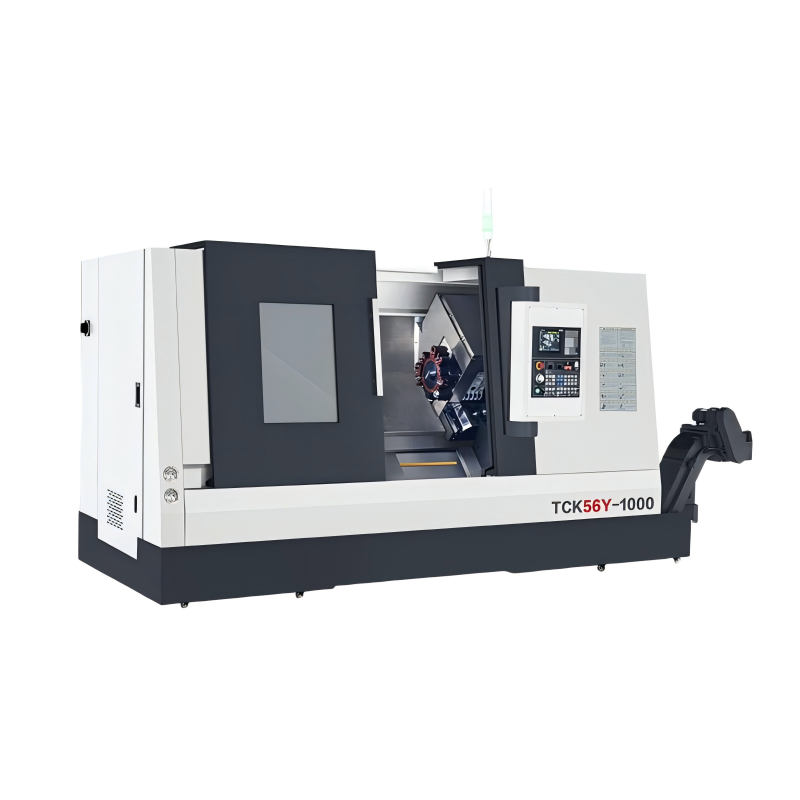
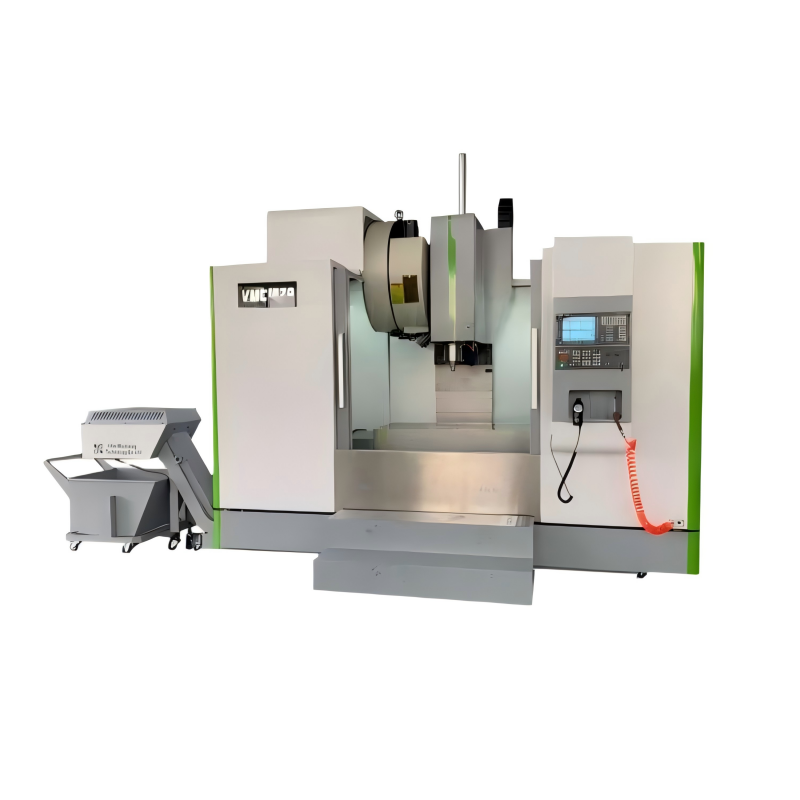
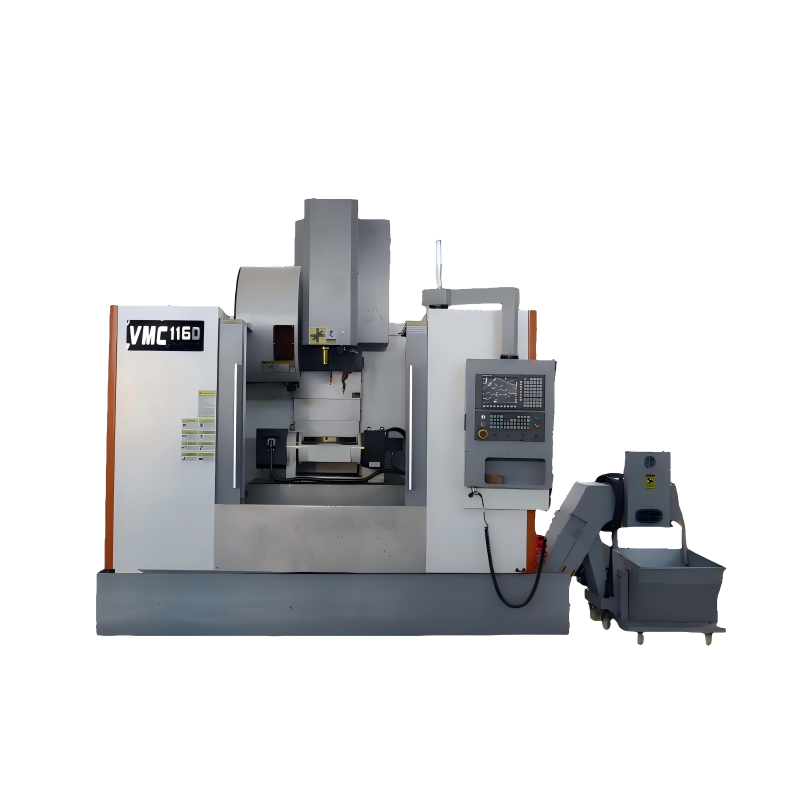
The advent of Computer Numerical Control (CNC) technology has revolutionized the manufacturing industry, enabling unprecedented precision and efficiency in production processes. Among the various CNC-operated machines, the CNC Lathe Machine stands out for its versatility and accuracy. This report delves into the capabilities of CNC Lathe Machines, exploring their applications, advantages, and the technological advancements that have shaped them into indispensable tools in modern manufacturing.
A CNC lathe machine is a type of machine tool that uses computer-aided design (CAD) and computer-aided manufacturing (CAM) software to control the movement and operation of the machine. The primary function of a CNC lathe is to shape cylindrical workpieces by rotating them against a cutting tool. Unlike traditional lathes, which are manually operated, CNC lathes can perform complex operations with minimal human intervention, ensuring consistent quality and high precision. The use of digital instructions allows for the automation of tasks such as turning, facing, threading, and drilling, making CNC lathes suitable for both small-batch and large-scale production.
One of the most significant advantages of CNC lathe machines is their ability to produce highly accurate and repeatable parts. This precision is achieved through the use of advanced control systems and high-quality components, which ensure that the machine follows the programmed instructions with minimal deviation. Additionally, CNC lathes offer increased productivity due to their ability to operate continuously without the need for frequent operator intervention. They can also handle a wide range of materials, including metals, plastics, and composites, making them versatile tools for various industries. Furthermore, the integration of CAD/CAM software allows for the optimization of machining processes, reducing material waste and improving overall efficiency.
Recent advancements in CNC technology have further enhanced the capabilities of CNC lathe machines. One such innovation is the development of multi-axis CNC lathes, which can perform multiple operations simultaneously, significantly reducing production time and costs. These machines often feature live tooling, allowing for milling, drilling, and other operations to be performed while the workpiece is still in the lathe. Another important development is the integration of artificial intelligence (AI) and machine learning (ML) algorithms, which enable real-time monitoring and adjustment of the machining process. This not only improves the accuracy of the final product but also helps in predictive maintenance, reducing downtime and extending the lifespan of the machine. Moreover, the use of advanced sensors and data analytics allows for the collection and analysis of performance data, leading to continuous improvement in the manufacturing process.
CNC lathe machines find applications in a wide range of industries, from automotive and aerospace to medical and consumer goods. In the automotive industry, CNC lathes are used to manufacture engine components, such as pistons, crankshafts, and camshafts, which require high precision and durability. The aerospace sector relies on CNC lathes to produce critical components like turbine blades, landing gear, and structural parts, where even the slightest deviation can have catastrophic consequences. In the medical field, CNC lathes are used to create surgical instruments, implants, and prosthetics, where precision and reliability are paramount. The consumer goods industry benefits from CNC lathes in the production of items such as kitchen utensils, electronic components, and sporting equipment, where consistent quality and aesthetic appeal are essential.
Despite their numerous advantages, CNC lathe machines also face certain challenges. One of the main challenges is the initial cost of investment, as these machines can be expensive, particularly for small and medium-sized enterprises. However, the long-term benefits in terms of increased productivity and reduced labor costs often justify the investment. Another challenge is the need for skilled operators and programmers, as the operation of CNC lathes requires a deep understanding of both the machinery and the software. Training programs and educational initiatives are crucial to address this skill gap. Looking ahead, the future of CNC lathe machines lies in further integration with Industry 4.0 technologies, such as the Internet of Things (IoT), cloud computing, and augmented reality. These technologies will enable even greater connectivity, data sharing, and automation, driving the next wave of innovation in manufacturing.
In conclusion, the capabilities of CNC lathe machines make them an essential tool in modern manufacturing. Their precision, versatility, and efficiency have transformed the way parts are produced, and ongoing technological advancements continue to enhance their performance. As the manufacturing industry evolves, CNC lathes will play a pivotal role in shaping the future of production, ensuring that the highest standards of quality and efficiency are met.
 01/07/2026
Understanding the operational principles of a CNC lathe machine is crucial for anyone involved in manufacturing or mechanical engineering. This article aims to provide an in-depth look at the basics of CNC (Computer Numerical Control) lathe operations, co
Read More01/07/2026Choosing the right CNC lathe machine is a critical decision that can significantly impact the efficiency, productivity, and overall success of your manufacturing operations. With a wide range of options available in the market, it's essential to understan
Read More01/07/2026In the realm of precision manufacturing, the CNC Lathe Machine stands out as a critical tool for achieving high accuracy and efficiency. The latest models of CNC lathes have introduced a plethora of advanced features that not only enhance productivity but
Read More30/06/2026In the realm of industrial manufacturing, advancements in technology have played a pivotal role in increasing efficiency, precision, and productivity. One such technological marvel that has significantly contributed to these improvements is the CNC (Compu
Read More30/06/2026In today's rapidly evolving manufacturing landscape, the integration of advanced technologies has become indispensable for businesses aiming to stay competitive. One such technology that stands out is the CNC Lathe Machine. This article delves into how mo
Read More30/06/2026IntroductionThe advent of CNC (Computer Numerical Control) technology has revolutionized the manufacturing industry, enabling higher precision, efficiency, and consistency in production. One of the key machines that have benefited from this technological
Read MoreOur professional sales team is always ready to assist you.