Understanding the operational principles of a CNC lathe machine is crucial for anyone involved in manufacturing or mechanical engineering. This article aims to provide an in-depth look at the basics of CNC (Computer Numerical Control) lathe operations, covering key aspects such as system components, programming, and maintenance, with a focus on enhancing efficiency and precision in machining processes.
System Components and Their Functions
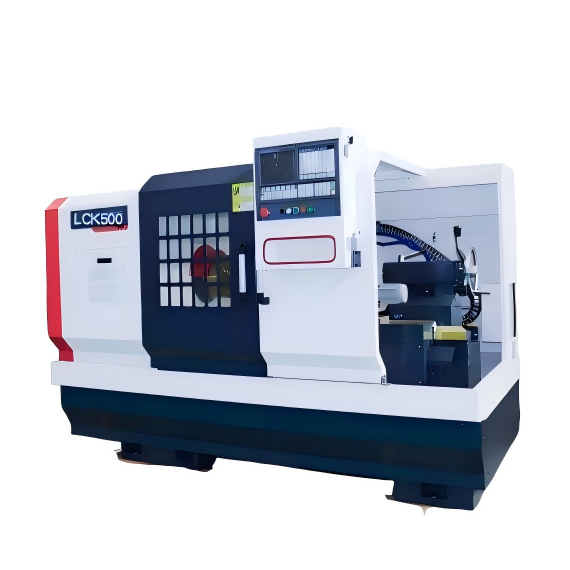
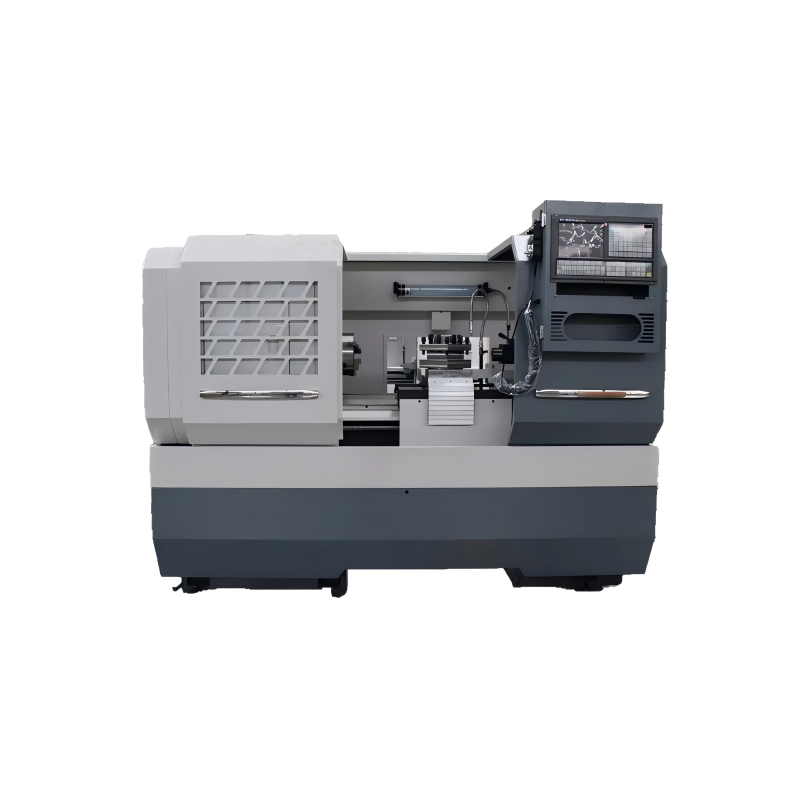
The CNC Lathe machine operates through a series of well-coordinated actions between its various components. At the heart of this system lies the control unit, which serves as the brain of the machine, interpreting the instructions fed into it via G-code. The spindle, a rotating axis that holds the workpiece, plays a pivotal role in determining the speed and direction of rotation, directly impacting the surface finish and cutting rate. Tool holders, another essential component, securely grip the cutting tools, ensuring they remain stable during operation. These elements, along with the bed, carriage, and tailstock, form the physical framework of the CNC Lathe Machine, each contributing uniquely to the overall functionality and performance.
Programming Essentials for Efficient Machining
Mastering the art of programming is fundamental to unlocking the full potential of a CNC lathe machine. G-code, the language of CNC machines, allows operators to specify every detail of the machining process, from tool paths to feed rates and spindle speeds. Understanding how to write and modify G-code not only enhances productivity but also improves the accuracy and consistency of the parts produced. Additionally, modern CNC lathes come equipped with CAD/CAM software, which simplifies the programming process by converting 3D models directly into machine-readable code. This integration significantly reduces setup times and minimizes errors, making it easier for operators to transition from design to production seamlessly.
Maintenance Practices to Ensure Longevity and Performance
Regular maintenance is key to keeping a CNC lathe machine running smoothly and efficiently over time. Lubrication of moving parts, cleaning of chips and debris, and inspection of wear and tear are some of the routine tasks that should be performed regularly. Proper lubrication reduces friction and heat, extending the life of the machine's components. Cleaning helps prevent damage caused by accumulated chips and ensures that the machine remains accurate and reliable. Inspections, including checking the alignment of the spindle and the condition of the cutting tools, are critical for identifying issues before they lead to more significant problems. By adhering to a well-structured maintenance schedule, operators can maximize the uptime and performance of their CNC lathe machine, while also reducing the risk of costly repairs and downtime.
In conclusion, the CNC lathe machine is a powerful tool in the hands of those who understand its intricacies. By gaining a thorough understanding of the system components, mastering the essentials of programming, and implementing effective maintenance practices, one can harness the full potential of this versatile machine. Whether you are a seasoned professional or a novice, the knowledge and skills acquired will undoubtedly contribute to more efficient, precise, and productive machining operations.

 01/07/2026



