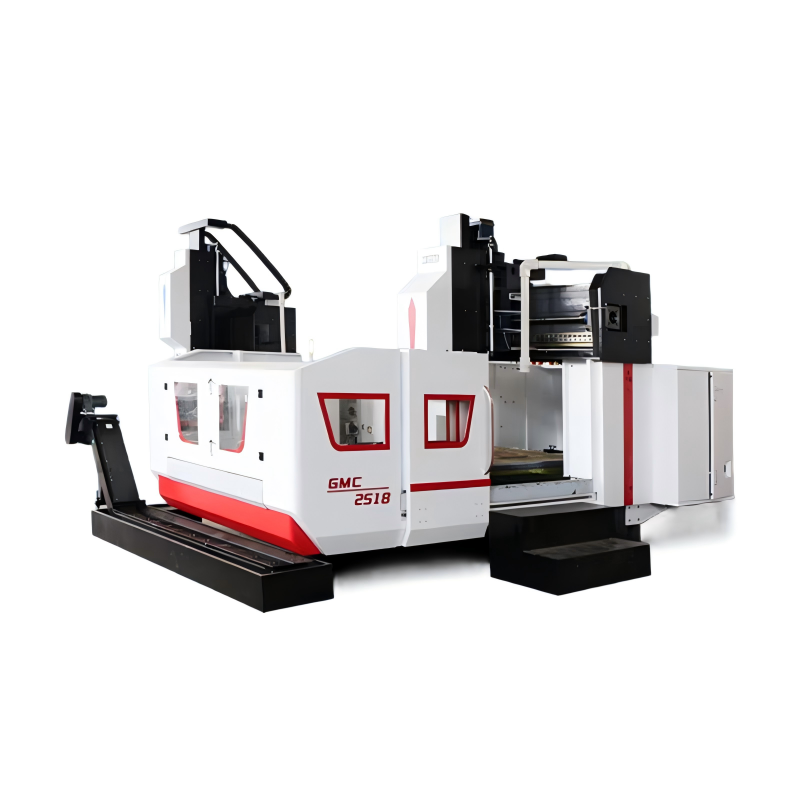
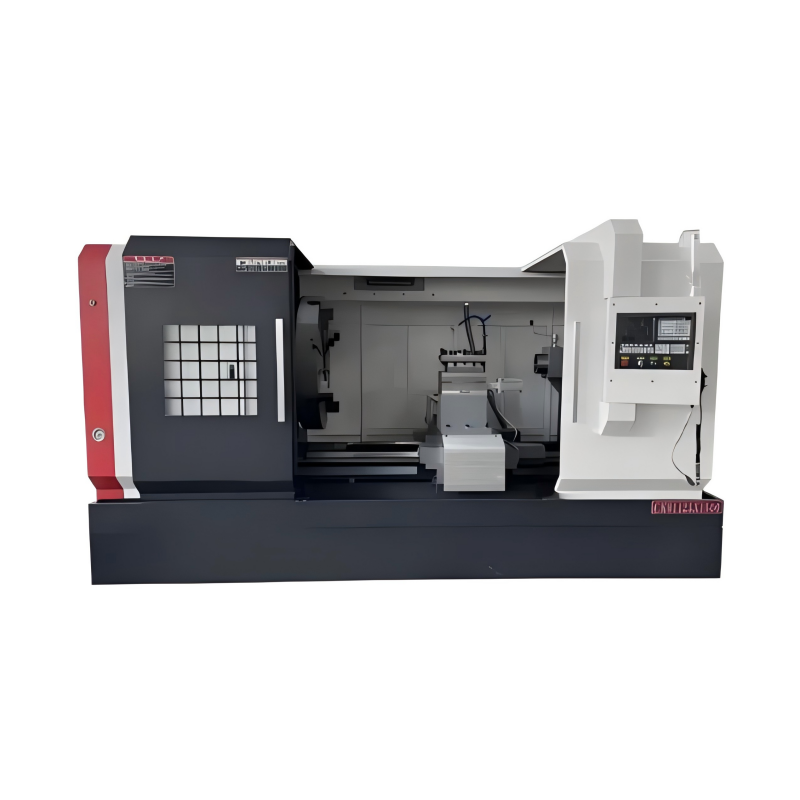
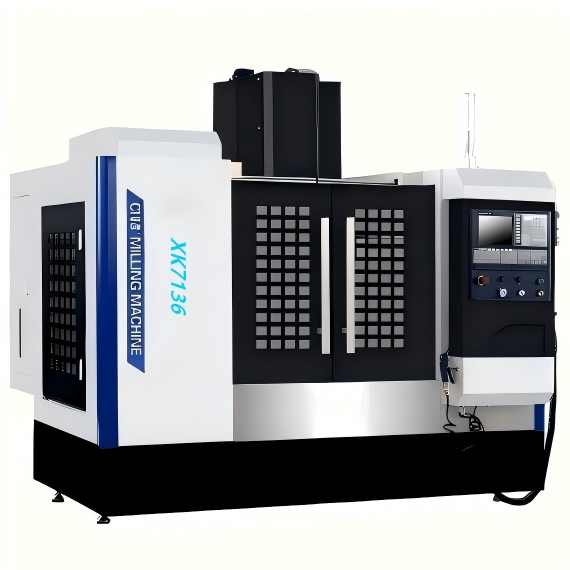
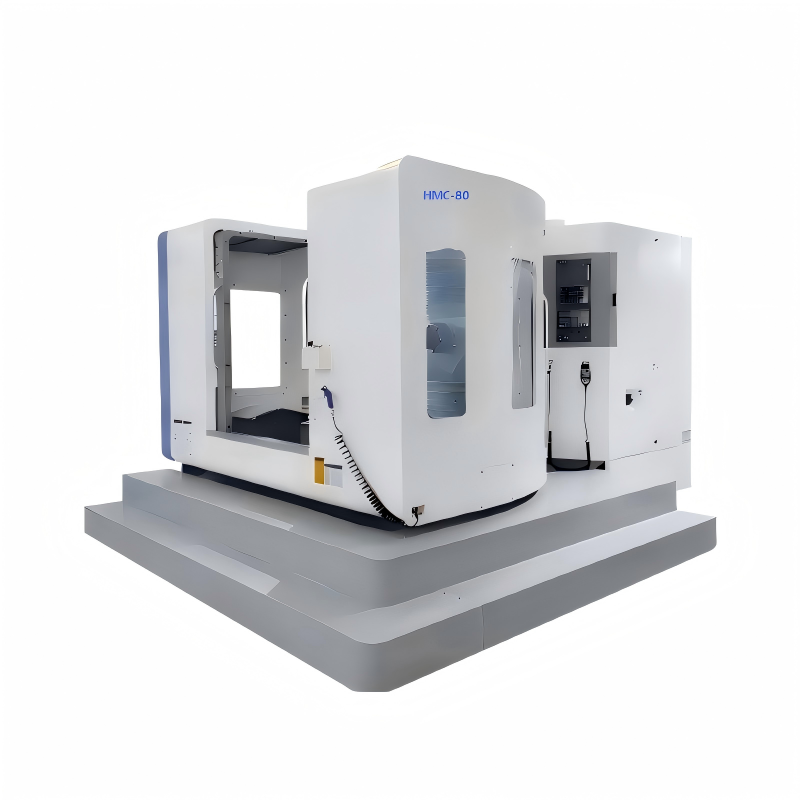
Choosing the right CNC lathe machine is a critical decision that can significantly impact the efficiency, productivity, and overall success of your manufacturing operations. With a wide range of options available in the market, it's essential to understand the key factors that will help you make an informed choice. This technical report aims to provide a comprehensive guide on how to select the most suitable CNC Lathe machine for your specific needs.
The first step in choosing the right CNC Lathe Machine is to thoroughly understand your production requirements. This includes assessing the types of materials you will be working with, the complexity of the parts you need to produce, and the volume of production. For instance, if you are primarily working with metals like aluminum or steel, you may need a more robust and powerful machine compared to one used for softer materials like plastics.
Additionally, consider the precision and tolerances required for your parts. High-precision applications, such as those in the aerospace or medical industries, may require a CNC lathe machine with advanced features and higher accuracy. Understanding these requirements will help you narrow down your options and focus on machines that meet your specific needs.
Once you have a clear understanding of your production requirements, the next step is to evaluate the specifications and capabilities of different CNC lathe machines. Key specifications to consider include the spindle speed, power, and torque, as well as the maximum swing and distance between centers. These factors will determine the machine's ability to handle various materials and part sizes.
For example, a CNC lathe machine with a high spindle speed and sufficient power is better suited for high-speed machining and cutting hard materials. On the other hand, a machine with a larger swing and greater distance between centers can accommodate larger workpieces, making it ideal for heavy-duty applications.
Another important factor to consider is the number of axes and the type of control system. A 2-Axis CNC Lathe machine is suitable for basic turning operations, while a 4-axis or 5-axis machine can handle more complex tasks, such as milling and drilling. The control system, whether it's a Fanuc, Siemens, or another brand, should also be evaluated based on its user-friendliness and compatibility with your existing software and hardware.
While the initial cost of a CNC lathe machine is a significant factor, it's equally important to consider the long-term costs and maintenance requirements. This includes the cost of consumables, such as cutting tools and coolant, as well as the cost of regular maintenance and potential repairs.
Some CNC lathe machines are designed with ease of maintenance in mind, featuring accessible components and user-friendly interfaces. Others may require specialized tools and expertise for maintenance, which can increase the total cost of ownership over time. Additionally, consider the availability of spare parts and the quality of after-sales support provided by the manufacturer.
It's also worth considering the energy efficiency of the machine. Modern CNC lathe machines often come with energy-saving features, such as regenerative braking and variable frequency drives, which can help reduce operational costs in the long run.
The user-friendliness of a CNC lathe machine is another critical factor to consider, especially if you have operators with varying levels of experience. A machine with an intuitive interface and easy-to-navigate controls can help reduce the learning curve and improve operator productivity.
Many manufacturers offer training programs and resources to help new users get up to speed quickly. It's important to assess the availability and quality of these training materials, as well as the level of support provided by the manufacturer. Some companies may even offer on-site training, which can be particularly beneficial for large-scale operations.
Additionally, consider the software and programming capabilities of the machine. A CNC lathe machine that supports popular CAD/CAM software and has built-in programming features can streamline the design and production process, reducing the time and effort required to set up and run jobs.
Safety is a paramount concern when selecting a CNC lathe machine. Ensure that the machine meets all relevant safety standards and regulations, such as those set by OSHA (Occupational Safety and Health Administration) and ISO (International Organization for Standardization). Look for features such as emergency stop buttons, safety guards, and automatic tool changers, which can enhance the safety of your operations.
Compliance with environmental regulations is also important, especially if you are working with hazardous materials or in a region with strict environmental laws. Some CNC lathe machines are designed to minimize waste and emissions, and may include features such as enclosed work areas and efficient coolant systems.
Finally, consider the ergonomics of the machine. A well-designed CNC lathe machine should be comfortable to operate, with features such as adjustable height controls, ergonomic handles, and easy-to-read displays. This can help reduce operator fatigue and improve overall workplace safety.
In conclusion, choosing the right CNC lathe machine requires a thorough understanding of your production requirements, a careful evaluation of machine specifications and capabilities, and consideration of long-term costs, user-friendliness, and safety. By following this guide, you can make an informed decision that will enhance the efficiency and productivity of your manufacturing operations.
 01/07/2026
Understanding the operational principles of a CNC lathe machine is crucial for anyone involved in manufacturing or mechanical engineering. This article aims to provide an in-depth look at the basics of CNC (Computer Numerical Control) lathe operations, co
Read More01/07/2026The advent of Computer Numerical Control (CNC) technology has revolutionized the manufacturing industry, enabling unprecedented precision and efficiency in production processes. Among the various CNC-operated machines, the CNC Lathe Machine stands out for
Read More01/07/2026In the realm of precision manufacturing, the CNC Lathe Machine stands out as a critical tool for achieving high accuracy and efficiency. The latest models of CNC lathes have introduced a plethora of advanced features that not only enhance productivity but
Read More30/06/2026In the realm of industrial manufacturing, advancements in technology have played a pivotal role in increasing efficiency, precision, and productivity. One such technological marvel that has significantly contributed to these improvements is the CNC (Compu
Read More30/06/2026In today's rapidly evolving manufacturing landscape, the integration of advanced technologies has become indispensable for businesses aiming to stay competitive. One such technology that stands out is the CNC Lathe Machine. This article delves into how mo
Read More30/06/2026IntroductionThe advent of CNC (Computer Numerical Control) technology has revolutionized the manufacturing industry, enabling higher precision, efficiency, and consistency in production. One of the key machines that have benefited from this technological
Read MoreOur professional sales team is always ready to assist you.