Introduction
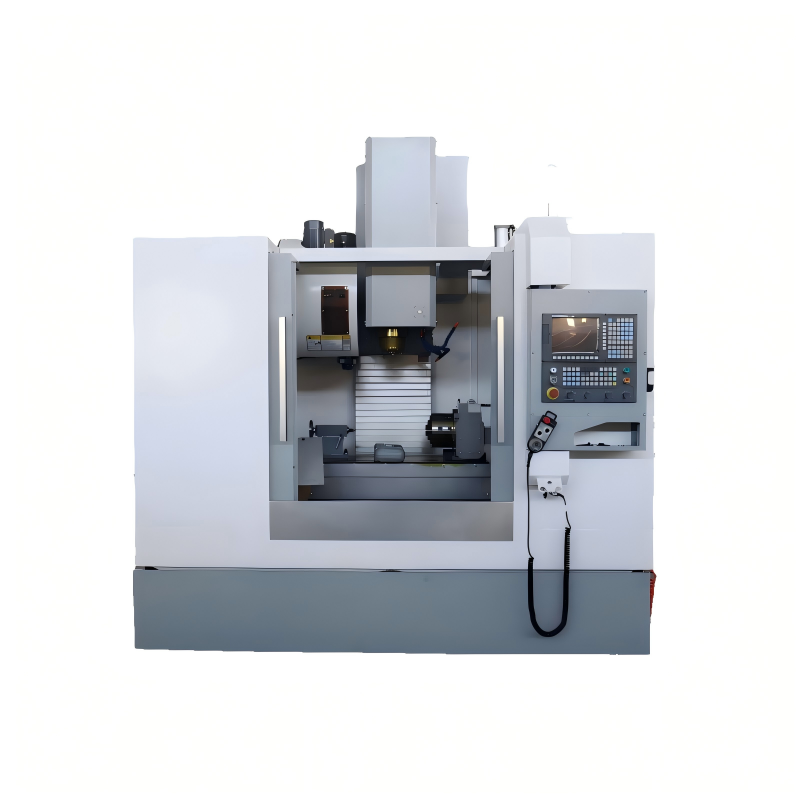
The 3 Axis Vertical Machining Center (VMC) has become a cornerstone in modern manufacturing, offering unparalleled precision and efficiency for a wide range of applications. This report aims to explore the key strategies that can be employed to maximize the efficiency of a 3 Axis VMC, ensuring that it operates at its full potential. By implementing these strategies, manufacturers can significantly reduce production times, improve part quality, and ultimately increase their profitability.
One of the most critical factors in maximizing the efficiency of a 3 Axis Vertical Machining Center is the selection and management of cutting tools. The right tool can make a significant difference in both the speed and quality of the machining process. Here are some key considerations:
By carefully selecting and managing cutting tools, operators can ensure that the 3 Axis VMC operates at optimal efficiency, reducing cycle times and improving part quality.
Computer-Aided Manufacturing (CAM) software plays a pivotal role in optimizing the performance of a 3 Axis Vertical Machining Center. Advanced CAM software can generate more efficient toolpaths, reduce air cutting, and minimize tool wear. Here are some key features to look for in CAM software:
By leveraging advanced CAM software, manufacturers can achieve more efficient and accurate machining processes, leading to higher productivity and better part quality.
To ensure that a 3 Axis Vertical Machining Center operates at its best, regular maintenance and calibration are essential. A well-maintained machine will not only perform better but also have a longer lifespan. Here are some key maintenance practices:
By following these maintenance practices, manufacturers can ensure that their 3 Axis VMC remains in top condition, delivering consistent and reliable performance over time.
Automation and robotics can significantly enhance the efficiency of a 3 Axis Vertical Machining Center by reducing human intervention and increasing throughput. Here are some ways to incorporate automation into the machining process:
By incorporating automation and robotics, manufacturers can achieve higher levels of productivity and consistency, making the most of their 3 Axis VMC investment.
Maximizing the efficiency of a 3 Axis Vertical Machining Center requires a multi-faceted approach that includes optimizing tool selection and management, implementing advanced CAM software, maintaining machine health and calibration, and utilizing automation and robotics. By adopting these strategies, manufacturers can significantly improve the performance of their 3 Axis VMC, leading to increased productivity, better part quality, and enhanced profitability. As technology continues to evolve, staying up-to-date with the latest advancements and best practices will be key to maintaining a competitive edge in the manufacturing industry.
 25/06/2026
The evolution of manufacturing technology has been marked by significant advancements, with the 3 Axis Vertical Machining Center (VMC) standing out as a pivotal innovation. This report delves into the latest developments in VMC technology, exploring how t
Read More25/06/2026When it comes to investing in a 3 Axis Vertical Machining Center, making the right decision can significantly impact your manufacturing process's efficiency and output quality. This type of machine is a versatile tool capable of performing a wide range of
Read More25/06/2026The advent of 3 Axis Vertical Machining Centers (VMCs) has significantly transformed the landscape of industrial manufacturing, enhancing productivity, precision, and operational efficiency. This report delves into the impact of 3 Axis VMCs on industrial
Read More24/06/2026Introduction to 3 Axis Vertical Machining Centers A 3 Axis Vertical Machining Center is a versatile and powerful tool in the manufacturing industry, capable of performing a wide range of machining operations. This type of machine is designed to move along
Read More24/06/2026Introduction to 3 Axis Vertical Machining CentersA 3 axis vertical machining center is a fundamental piece of equipment in modern manufacturing, designed for the precision cutting and shaping of materials. This type of machine tool operates on three prima
Read More24/06/2026A Comprehensive Guide to Selecting the Right 3 Axis Vertical Machining CenterChoosing the right 3 axis vertical machining center is a critical decision for any manufacturing operation. These machines are essential for precision and efficiency in a wide ra
Read More24/06/2026Understanding the Core Components of a 3 Axis Vertical Machining CenterA 3 Axis Vertical Machining Center is an essential piece of equipment in many manufacturing and engineering environments, designed to perform a wide range of machining operations with
Read More23/06/2026The 3 Axis Vertical Machining Center (VMC) is a versatile and efficient tool in the world of manufacturing, capable of producing complex parts with high precision. This type of machining center plays a crucial role in various industries, from automotive t
Read More23/06/2026The 3 Axis Vertical Machining Center is a cornerstone in modern manufacturing, providing unparalleled precision and efficiency. This technical report delves into the advanced features and capabilities that make this machine a preferred choice for many ind
Read More23/06/2026In the realm of precision engineering, the role of 3 Axis Vertical Machining Centers (VMCs) is pivotal. These advanced machines have become indispensable in a variety of manufacturing processes, from aerospace to automotive, and from medical devices to co
Read More23/06/2026In the realm of modern manufacturing, the 3 Axis Vertical Machining Center (VMC) stands out as a pivotal tool for precision and efficiency. This report delves into the advantages that 3 Axis VMCs offer, highlighting their significance in contemporary indu
Read MoreOur professional sales team is always ready to assist you.