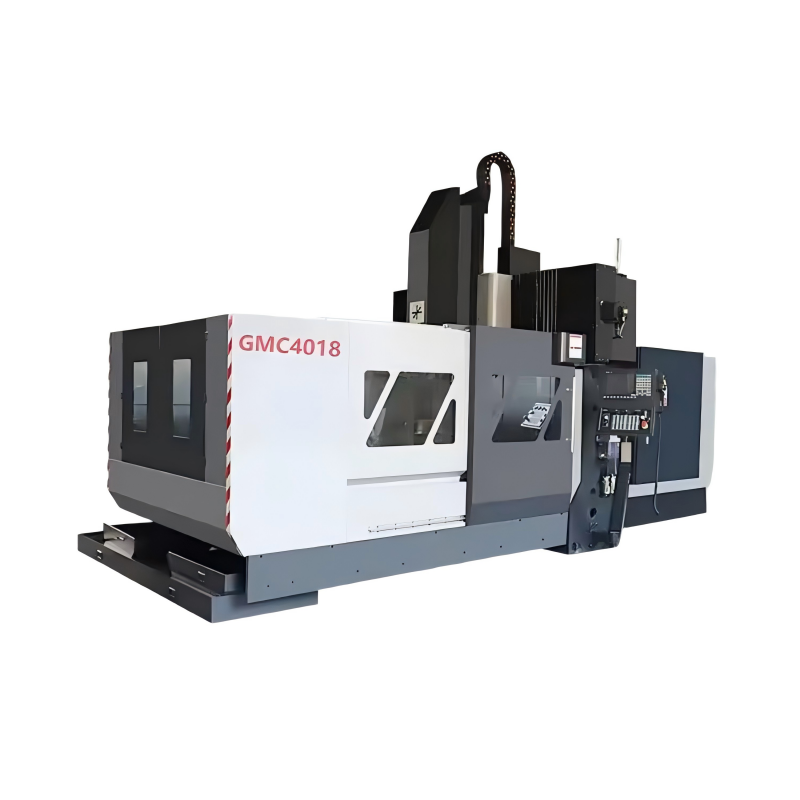
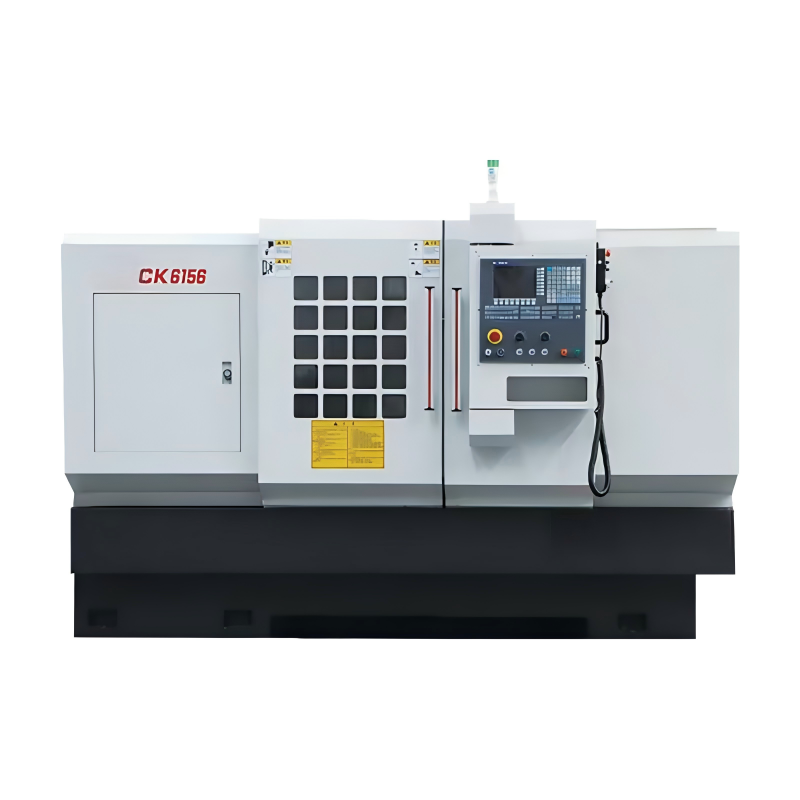
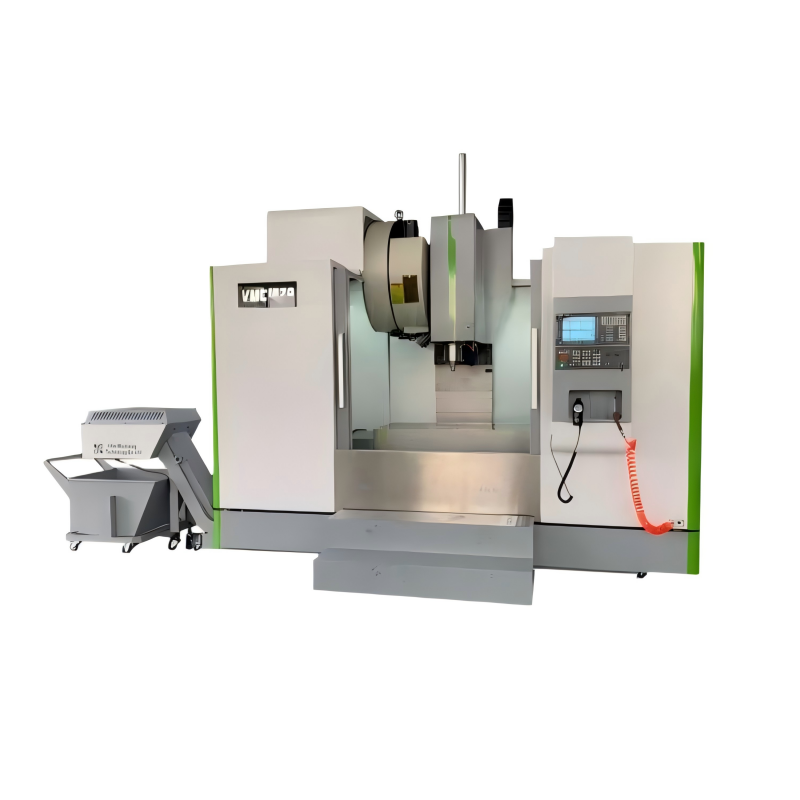
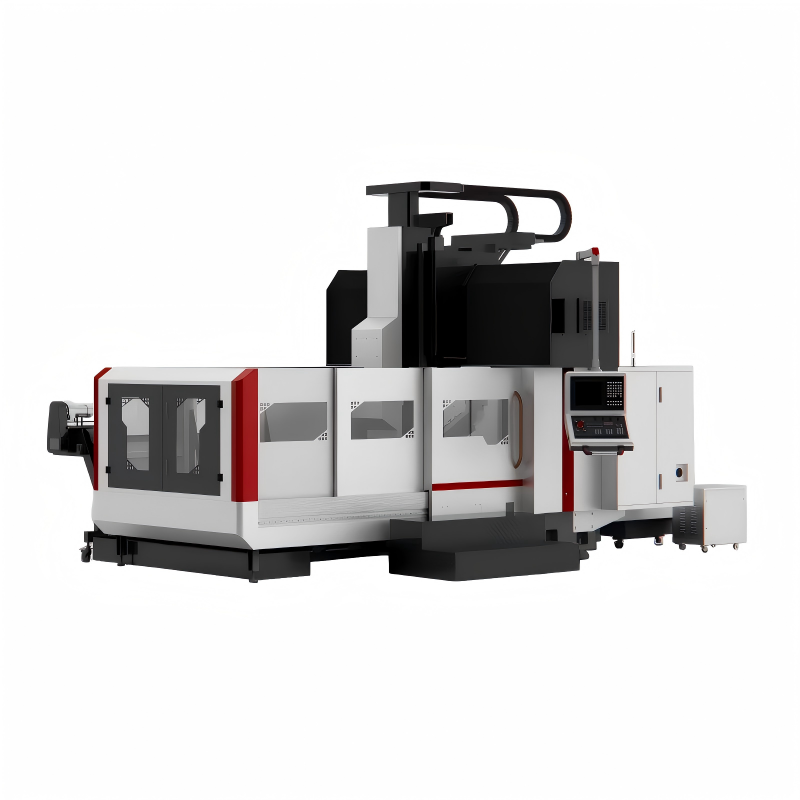
The advent of 3 Axis Vertical Machining Centers (VMCs) has significantly transformed the landscape of industrial manufacturing, enhancing productivity, precision, and operational efficiency. This report delves into the impact of 3 Axis VMCs on industrial productivity, exploring key areas where these advanced machines have made a substantial difference.
One of the most significant advantages of 3 Axis Vertical Machining Centers is their ability to achieve high levels of precision and accuracy. These machines are equipped with advanced control systems and high-resolution feedback mechanisms that ensure the exact positioning and movement of the cutting tool. The three-axis configuration allows for precise control over the X, Y, and Z axes, enabling the machine to perform complex operations with minimal error. This level of accuracy is crucial in industries such as aerospace, automotive, and medical device manufacturing, where even the slightest deviation can lead to defective products and costly rework. By reducing the margin of error, 3 Axis VMCs help manufacturers maintain consistent quality and meet stringent industry standards.
3 Axis Vertical Machining Centers are designed to optimize operational efficiency, making them a valuable asset in modern manufacturing environments. These machines feature high-speed spindles, rapid traverse rates, and efficient chip evacuation systems, which collectively contribute to faster cycle times and higher throughput. Additionally, the integration of automated tool changers and pallet changers further enhances productivity by minimizing downtime and allowing for continuous operation. The ability to program and execute multiple operations in a single setup reduces the need for manual intervention and operator errors, leading to a more streamlined and efficient production process. This increased efficiency not only boosts overall productivity but also helps in reducing labor costs and improving the return on investment for manufacturers.
Another critical aspect of 3 Axis VMCs is their flexibility and versatility in handling a wide range of materials and applications. These machines can work with various materials, including metals, plastics, and composites, and are capable of performing a variety of operations such as milling, drilling, tapping, and contouring. The ability to switch between different tools and operations quickly and easily makes 3 Axis VMCs highly adaptable to changing production requirements. This flexibility is particularly beneficial for manufacturers who need to produce a diverse range of parts or frequently switch between different product lines. By enabling rapid changeovers and versatile operations, 3 Axis VMCs support lean manufacturing principles and help companies stay competitive in a dynamic market.
One of the key benefits of 3 Axis Vertical Machining Centers is their ability to reduce setup time and tooling costs. Traditional machining methods often require extensive setup and calibration, which can be time-consuming and labor-intensive. In contrast, 3 Axis VMCs are equipped with advanced software and control systems that allow for quick and easy setup. The use of digital programming and simulation tools enables operators to set up and test programs offline, reducing the need for trial-and-error adjustments on the shop floor. Additionally, the integration of automatic tool changers and tool management systems minimizes the time required for tool changes and ensures that the correct tools are always available. This reduction in setup time and tooling costs translates to higher overall productivity and lower production costs, making 3 Axis VMCs an attractive option for manufacturers looking to improve their bottom line.
The integration of 3 Axis VMCs with advanced technologies such as CAD/CAM software, robotics, and Industry 4.0 solutions further enhances their impact on industrial productivity. CAD/CAM software allows for the seamless design and programming of complex parts, while robotics can automate material handling and loading, reducing the need for manual labor. Furthermore, the incorporation of Industry 4.0 technologies, such as real-time monitoring, predictive maintenance, and data analytics, enables manufacturers to optimize machine performance, predict and prevent downtime, and make data-driven decisions. This integration not only improves the efficiency and reliability of 3 Axis VMCs but also supports the transition towards smart manufacturing, where machines are connected, intelligent, and capable of self-optimization. By leveraging these advanced technologies, manufacturers can achieve higher levels of productivity, quality, and innovation, positioning themselves at the forefront of the industry.
In conclusion, the impact of 3 Axis Vertical Machining Centers on industrial productivity is profound and multifaceted. From enhanced precision and accuracy to increased operational efficiency, flexibility, reduced setup time, and integration with advanced technologies, these machines offer numerous benefits that drive manufacturing excellence. As the industry continues to evolve, 3 Axis VMCs will remain a critical component in the pursuit of higher productivity, quality, and competitiveness.
 25/06/2026
IntroductionThe 3 Axis Vertical Machining Center (VMC) has become a cornerstone in modern manufacturing, offering unparalleled precision and efficiency for a wide range of applications. This report aims to explore the key strategies that can be employed t
Read More25/06/2026The evolution of manufacturing technology has been marked by significant advancements, with the 3 Axis Vertical Machining Center (VMC) standing out as a pivotal innovation. This report delves into the latest developments in VMC technology, exploring how t
Read More25/06/2026When it comes to investing in a 3 Axis Vertical Machining Center, making the right decision can significantly impact your manufacturing process's efficiency and output quality. This type of machine is a versatile tool capable of performing a wide range of
Read More24/06/2026Introduction to 3 Axis Vertical Machining Centers A 3 Axis Vertical Machining Center is a versatile and powerful tool in the manufacturing industry, capable of performing a wide range of machining operations. This type of machine is designed to move along
Read More24/06/2026Introduction to 3 Axis Vertical Machining CentersA 3 axis vertical machining center is a fundamental piece of equipment in modern manufacturing, designed for the precision cutting and shaping of materials. This type of machine tool operates on three prima
Read More24/06/2026A Comprehensive Guide to Selecting the Right 3 Axis Vertical Machining CenterChoosing the right 3 axis vertical machining center is a critical decision for any manufacturing operation. These machines are essential for precision and efficiency in a wide ra
Read More24/06/2026Understanding the Core Components of a 3 Axis Vertical Machining CenterA 3 Axis Vertical Machining Center is an essential piece of equipment in many manufacturing and engineering environments, designed to perform a wide range of machining operations with
Read More23/06/2026The 3 Axis Vertical Machining Center (VMC) is a versatile and efficient tool in the world of manufacturing, capable of producing complex parts with high precision. This type of machining center plays a crucial role in various industries, from automotive t
Read More23/06/2026The 3 Axis Vertical Machining Center is a cornerstone in modern manufacturing, providing unparalleled precision and efficiency. This technical report delves into the advanced features and capabilities that make this machine a preferred choice for many ind
Read More23/06/2026In the realm of precision engineering, the role of 3 Axis Vertical Machining Centers (VMCs) is pivotal. These advanced machines have become indispensable in a variety of manufacturing processes, from aerospace to automotive, and from medical devices to co
Read More23/06/2026In the realm of modern manufacturing, the 3 Axis Vertical Machining Center (VMC) stands out as a pivotal tool for precision and efficiency. This report delves into the advantages that 3 Axis VMCs offer, highlighting their significance in contemporary indu
Read MoreOur professional sales team is always ready to assist you.