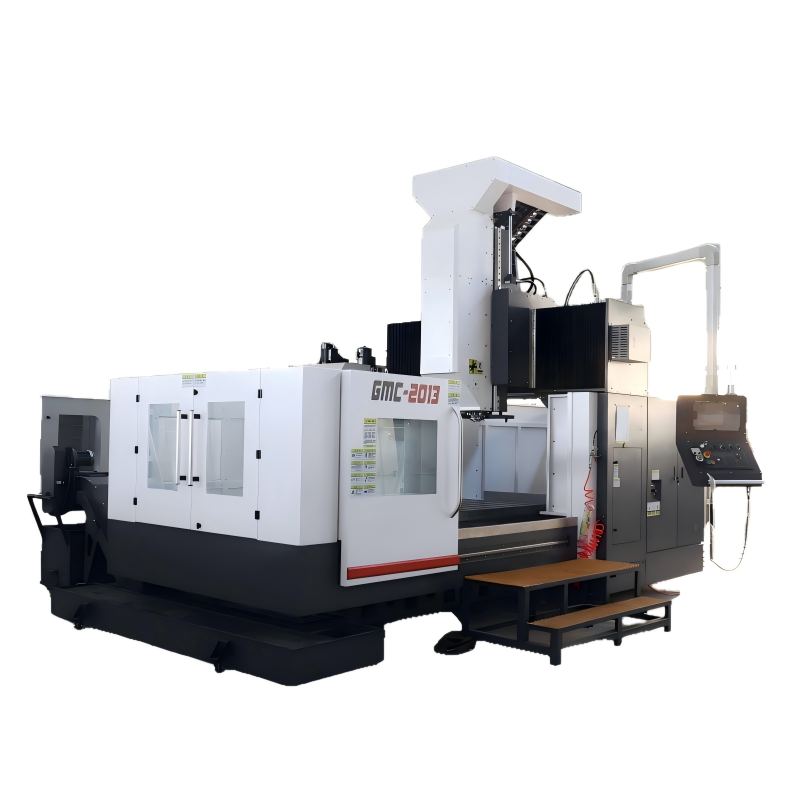
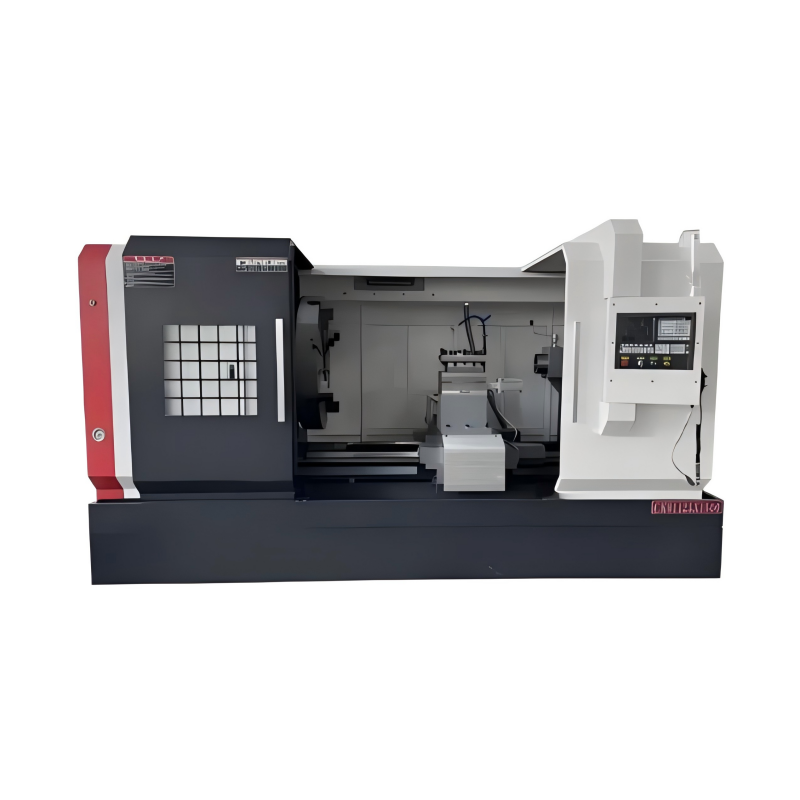
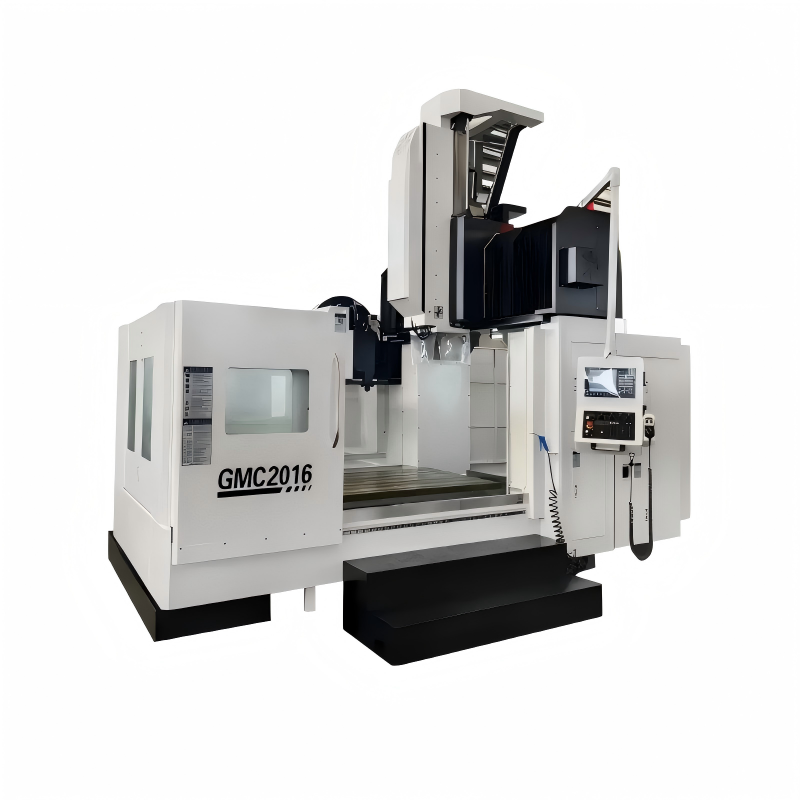
The evolution of manufacturing technology has been marked by significant advancements, with the 3 Axis Vertical Machining Center (VMC) standing out as a pivotal innovation. This report delves into the latest developments in VMC technology, exploring how these machines are becoming more efficient, precise, and versatile. The focus is on three key areas: enhanced precision through advanced control systems, improved productivity via automation, and the integration of smart technologies for better performance and maintenance.
One of the most critical aspects of any machining operation is the level of precision it can achieve. In the context of 3 Axis Vertical Machining Centers, the introduction of advanced control systems has significantly elevated the standards of accuracy and repeatability. These systems utilize sophisticated algorithms and high-resolution feedback mechanisms to ensure that the cutting tool follows the programmed path with minimal deviation. The result is a reduction in errors and an increase in the quality of the finished product.
Modern 3 Axis VMCs often come equipped with direct-drive motors and linear scales, which provide real-time positional data to the control system. This data is processed at high speeds, allowing for rapid adjustments to be made during the machining process. Additionally, some advanced systems incorporate predictive modeling, which uses historical data to anticipate potential deviations and correct them before they occur. This proactive approach not only enhances precision but also extends the lifespan of the machine by reducing wear and tear.
Automation is another area where 3 Axis Vertical Machining Centers have seen substantial improvements. The integration of automated features such as tool changers, pallet changers, and robotic arms has transformed the way these machines operate. By automating repetitive and time-consuming tasks, manufacturers can significantly increase their production output while maintaining high levels of quality.
Tool changers, for instance, allow for the quick and seamless replacement of cutting tools, reducing downtime and enabling the machine to handle a wider range of operations without manual intervention. Pallet changers, on the other hand, enable the loading and unloading of workpieces to occur concurrently with the machining process, further enhancing efficiency. Robotic arms can be used for part handling, inspection, and even secondary operations, creating a more integrated and streamlined production line.
Moreover, the use of automation in 3 Axis VMCs has led to the development of lights-out manufacturing, where machines can operate continuously without human supervision. This capability is particularly valuable for industries that require 24/7 production, such as automotive and aerospace, where downtime can be extremely costly.
The advent of Industry 4.0 has brought about a new era of smart manufacturing, and 3 Axis Vertical Machining Centers are no exception. The integration of smart technologies, such as the Internet of Things (IoT), artificial intelligence (AI), and machine learning (ML), has enabled these machines to become more intelligent and self-aware. These technologies provide real-time monitoring and analysis of machine performance, allowing for predictive maintenance and optimized operation.
IoT sensors embedded in the VMC can collect data on various parameters, including temperature, vibration, and power consumption. This data is then transmitted to a central server or cloud platform, where it is analyzed using AI and ML algorithms. These algorithms can detect patterns and anomalies that may indicate impending issues, such as a failing component or a need for calibration. By addressing these issues proactively, manufacturers can prevent unexpected breakdowns and minimize downtime.
Additionally, smart technologies can optimize the machining process itself. For example, AI-powered software can analyze the material properties and cutting conditions to determine the optimal cutting parameters, such as speed, feed rate, and depth of cut. This not only improves the quality of the finished product but also reduces tool wear and energy consumption. Furthermore, the ability to remotely monitor and control the VMC allows for greater flexibility and responsiveness in the manufacturing process, enabling operators to make adjustments on the fly and respond to changing production demands.
In conclusion, the 3 Axis Vertical Machining Center continues to evolve, driven by advancements in control systems, automation, and smart technologies. These innovations are not only enhancing the precision and productivity of these machines but also making them more intelligent and adaptable. As the manufacturing industry continues to embrace digital transformation, the 3 Axis VMC will remain a cornerstone of modern production, providing the foundation for future innovations in machining technology.
 25/06/2026
IntroductionThe 3 Axis Vertical Machining Center (VMC) has become a cornerstone in modern manufacturing, offering unparalleled precision and efficiency for a wide range of applications. This report aims to explore the key strategies that can be employed t
Read More25/06/2026When it comes to investing in a 3 Axis Vertical Machining Center, making the right decision can significantly impact your manufacturing process's efficiency and output quality. This type of machine is a versatile tool capable of performing a wide range of
Read More25/06/2026The advent of 3 Axis Vertical Machining Centers (VMCs) has significantly transformed the landscape of industrial manufacturing, enhancing productivity, precision, and operational efficiency. This report delves into the impact of 3 Axis VMCs on industrial
Read More24/06/2026Introduction to 3 Axis Vertical Machining Centers A 3 Axis Vertical Machining Center is a versatile and powerful tool in the manufacturing industry, capable of performing a wide range of machining operations. This type of machine is designed to move along
Read More24/06/2026Introduction to 3 Axis Vertical Machining CentersA 3 axis vertical machining center is a fundamental piece of equipment in modern manufacturing, designed for the precision cutting and shaping of materials. This type of machine tool operates on three prima
Read More24/06/2026A Comprehensive Guide to Selecting the Right 3 Axis Vertical Machining CenterChoosing the right 3 axis vertical machining center is a critical decision for any manufacturing operation. These machines are essential for precision and efficiency in a wide ra
Read More24/06/2026Understanding the Core Components of a 3 Axis Vertical Machining CenterA 3 Axis Vertical Machining Center is an essential piece of equipment in many manufacturing and engineering environments, designed to perform a wide range of machining operations with
Read More23/06/2026The 3 Axis Vertical Machining Center (VMC) is a versatile and efficient tool in the world of manufacturing, capable of producing complex parts with high precision. This type of machining center plays a crucial role in various industries, from automotive t
Read More23/06/2026The 3 Axis Vertical Machining Center is a cornerstone in modern manufacturing, providing unparalleled precision and efficiency. This technical report delves into the advanced features and capabilities that make this machine a preferred choice for many ind
Read More23/06/2026In the realm of precision engineering, the role of 3 Axis Vertical Machining Centers (VMCs) is pivotal. These advanced machines have become indispensable in a variety of manufacturing processes, from aerospace to automotive, and from medical devices to co
Read More23/06/2026In the realm of modern manufacturing, the 3 Axis Vertical Machining Center (VMC) stands out as a pivotal tool for precision and efficiency. This report delves into the advantages that 3 Axis VMCs offer, highlighting their significance in contemporary indu
Read MoreOur professional sales team is always ready to assist you.