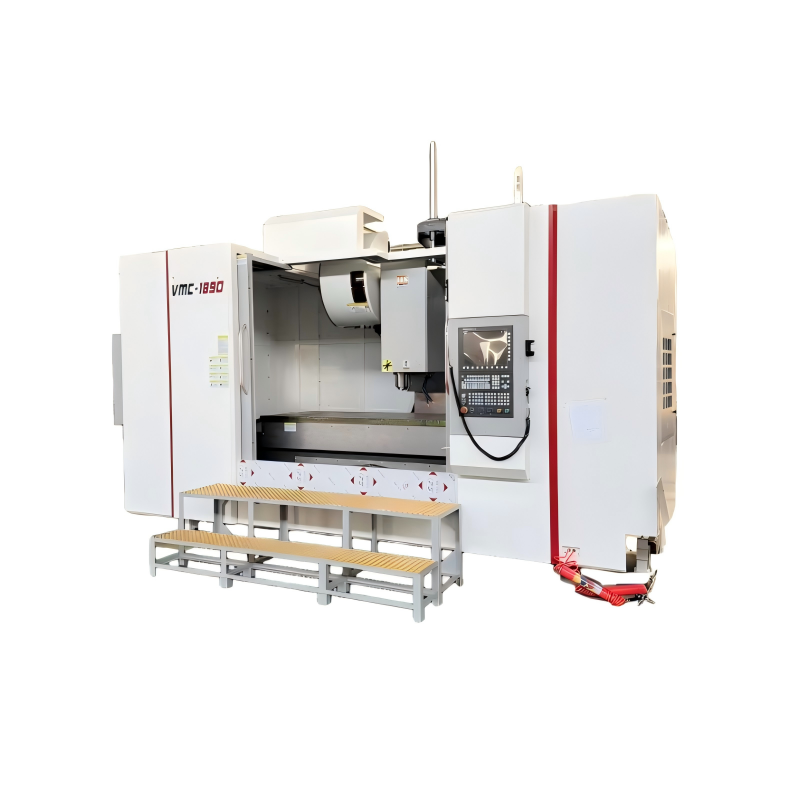
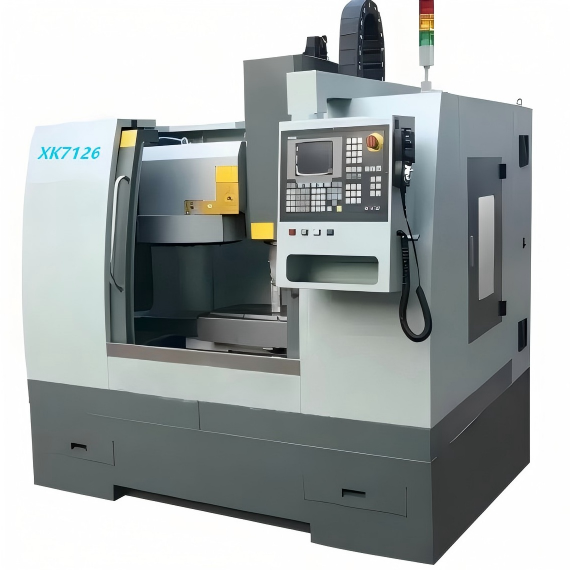
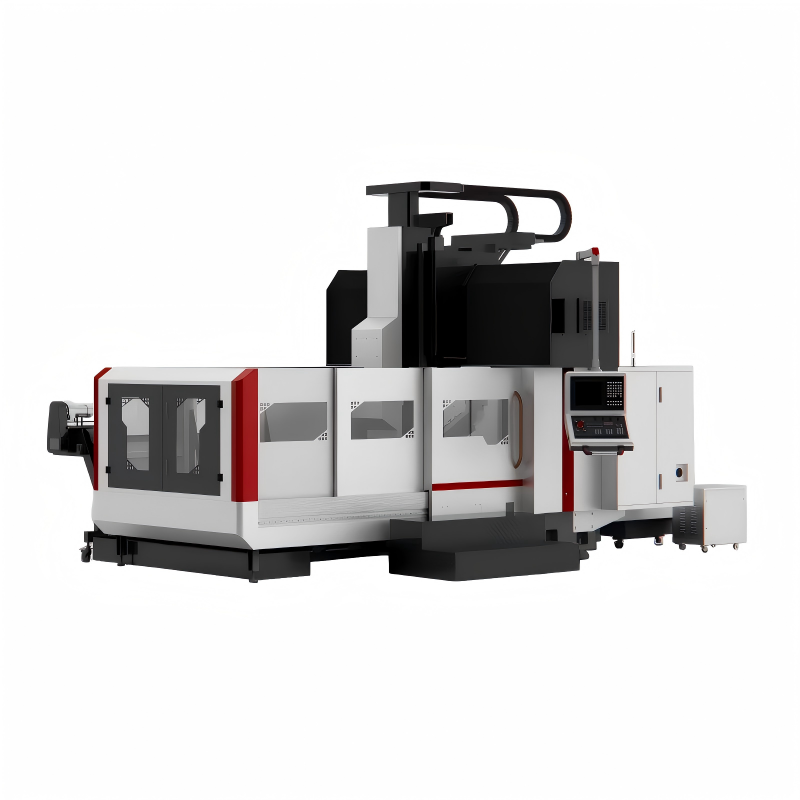
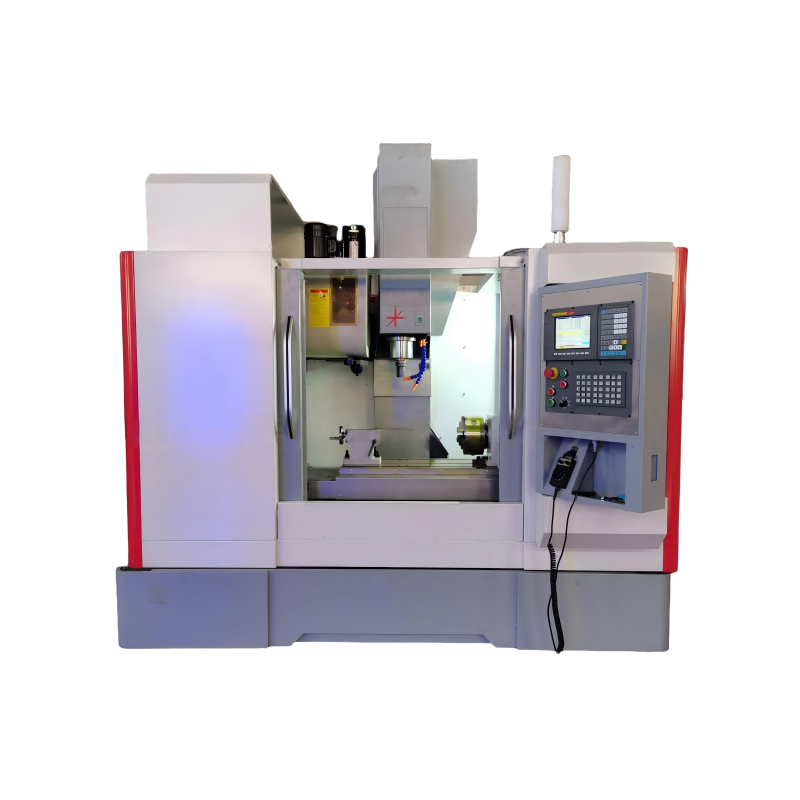
In the realm of manufacturing, selecting the right CNC lathe is a critical decision that can significantly impact production efficiency, part accuracy, and overall operational costs. While Machining Centers offer versatility in handling multiple operations, the specific needs of your manufacturing process might require a more specialized tool like a CNC Lathe. This report aims to guide you through the essential considerations when choosing a CNC lathe, ensuring it aligns with your unique manufacturing requirements.
Machining centers are known for their ability to perform a wide range of operations, including milling, drilling, and tapping, all within a single setup. They are equipped with automatic tool changers and multi-axis capabilities, making them ideal for complex parts. On the other hand, CNC lathes are specifically designed for turning operations, where the workpiece rotates while the cutting tool remains stationary. This makes CNC lathes highly efficient for producing cylindrical parts, such as shafts, bushings, and gears. Understanding these fundamental differences is crucial in determining which machine best suits your needs.
To select the right CNC lathe, it is essential to have a clear understanding of your manufacturing requirements. Start by analyzing the types of parts you will be producing, the materials involved, and the required tolerances. For example, if your production involves high-precision components, you may need a CNC lathe with advanced features such as live tooling or Y-axis capabilities. Additionally, consider the volume of production; high-volume production may benefit from a lathe with a bar feeder or a dual-spindle configuration to increase throughput. By thoroughly evaluating your requirements, you can narrow down the options and focus on the most suitable CNC lathe for your application.
Once you have a clear understanding of your manufacturing needs, the next step is to assess the capabilities and features of different CNC lathes. Key factors to consider include:
By carefully assessing these capabilities and features, you can ensure that the CNC lathe you choose is well-equipped to handle your specific manufacturing tasks.
While the initial purchase price of a CNC lathe is an important consideration, it is equally important to evaluate the long-term costs and maintenance requirements. Factors to consider include:
By considering these long-term factors, you can make a more informed decision that not only meets your immediate needs but also provides value over the life of the machine.
Selecting the right CNC lathe for your manufacturing needs requires a thorough understanding of your specific requirements, an evaluation of the machine's capabilities and features, and a consideration of long-term costs and maintenance. While machining centers offer versatility, CNC lathes are optimized for turning operations and can provide significant benefits in terms of precision, efficiency, and cost-effectiveness. By following the guidelines outlined in this report, you can make a well-informed decision that enhances your manufacturing processes and contributes to the success of your business.
 26/06/2026
Understanding the Capabilities of Hard Rail CNC LathesThe advent of Hard Rail CNC Lathes has revolutionized the machining industry, offering unprecedented precision and efficiency in turning operations. These machines are designed with robust construction
Read More25/06/2026The CK6150 is a versatile and efficient machining center that has garnered significant attention in the manufacturing industry. This machine, designed for precision and reliability, offers a range of features and benefits that make it an ideal choice for
Read More24/06/2026Machining centers, as advanced manufacturing tools, have revolutionized the way industries approach production. These versatile machines combine multiple operations into a single setup, significantly increasing efficiency and precision. This report aims t
Read More14/06/2026In the realm of modern manufacturing, a Machining Center stands as an indispensable tool for enhancing productivity and precision. This technical report delves into the intricacies of utilizing a Machining Center effectively, offering valuable tips and tr
Read More14/06/2026In the ever-evolving landscape of manufacturing, machining centers have become indispensable tools for precision and efficiency. This technical report delves into the top trends in machining center design and functionality, highlighting advancements that
Read More14/06/2026Machining centers, as versatile and efficient tools in modern manufacturing, play a crucial role in the production of precision components. Proper maintenance and care are essential to ensure their optimal performance, longevity, and safety. This comprehe
Read More10/06/2026In today's rapidly evolving industrial landscape, machining centers have become indispensable tools for manufacturing precision components across various sectors. This report delves into the multifaceted role of machining centers, exploring their impact o
Read More08/06/2026A high-performance machining center is an essential asset for any modern manufacturing facility, offering unparalleled precision, efficiency, and versatility. When selecting a machining center, it's crucial to consider several key features that will ensur
Read More07/06/2026In the realm of precision engineering, the advent of advanced machining centers has heralded a new era of efficiency and accuracy. These sophisticated machines, equipped with cutting-edge technology, have transformed the way industries approach manufactur
Read More06/06/2026In the realm of manufacturing, Machining Center technology has emerged as a cornerstone for precision and efficiency. This report delves into the multifaceted advantages and applications of modern machining centers, highlighting how these advanced machine
Read More05/06/2026Choosing the right Machining Center for your specific needs is a critical decision that can significantly impact the efficiency, quality, and cost-effectiveness of your manufacturing processes. This guide aims to provide you with a comprehensive understan
Read More04/06/2026In the ever-evolving landscape of manufacturing, Machining Center innovations are playing a pivotal role in shaping the future. These advanced machines, designed to perform multiple operations with high precision and efficiency, are not only improving pro
Read More04/06/2026In the rapidly evolving aerospace industry, machining centers have emerged as pivotal tools for advancing manufacturing processes. These advanced machines not only enhance productivity but also play a crucial role in maintaining the high standards of prec
Read More03/06/2026IntroductionIn the realm of modern manufacturing, machining centers play a pivotal role in transforming raw materials into finished products. These advanced machines are designed to perform multiple operations such as milling, drilling, and turning, all w
Read More02/06/2026In today’s competitive manufacturing environment, the quest for enhancing product quality while simultaneously reducing operational costs has become a critical success factor. The integration of state-of-the-art machining centers into production processes
Read More01/06/2026In the realm of modern manufacturing, the role of a machining center, especially those controlled by Computer Numerical Control (CNC) systems, has become increasingly prominent. These machines are not just tools; they represent a significant leap in techn
Read More31/05/2026IntroductionThe machining center, a cornerstone of modern manufacturing, has evolved significantly over the years. With advancements in technology, these machines have become more efficient, versatile, and capable of handling complex tasks. This report ai
Read More30/05/2026IntroductionThe machining industry is on the cusp of a transformative era, driven by advancements in Machining Center technology. As we look towards the future, it becomes increasingly clear that innovations in this field will not only enhance productivit
Read More29/05/2026IntroductionThe selection of the right machining center is a critical decision for any manufacturing operation, as it directly impacts productivity, efficiency, and overall profitability. A machining center, also known as a CNC (Computer Numerical Control
Read More28/05/2026The automotive industry, a cornerstone of modern manufacturing, is experiencing an unprecedented transformation driven by the integration of advanced technologies. Among these, machining centers are playing a pivotal role in revolutionizing production pro
Read More26/05/2026In the realm of precision manufacturing, the machining center stands as a cornerstone technology, offering unparalleled versatility and efficiency. This document explores how modern advancements in machining centers are revolutionizing the industry, focus
Read MoreOur professional sales team is always ready to assist you.