Understanding the Importance of Regular Maintenance for Your Turning Hard Rail CNC Lathe
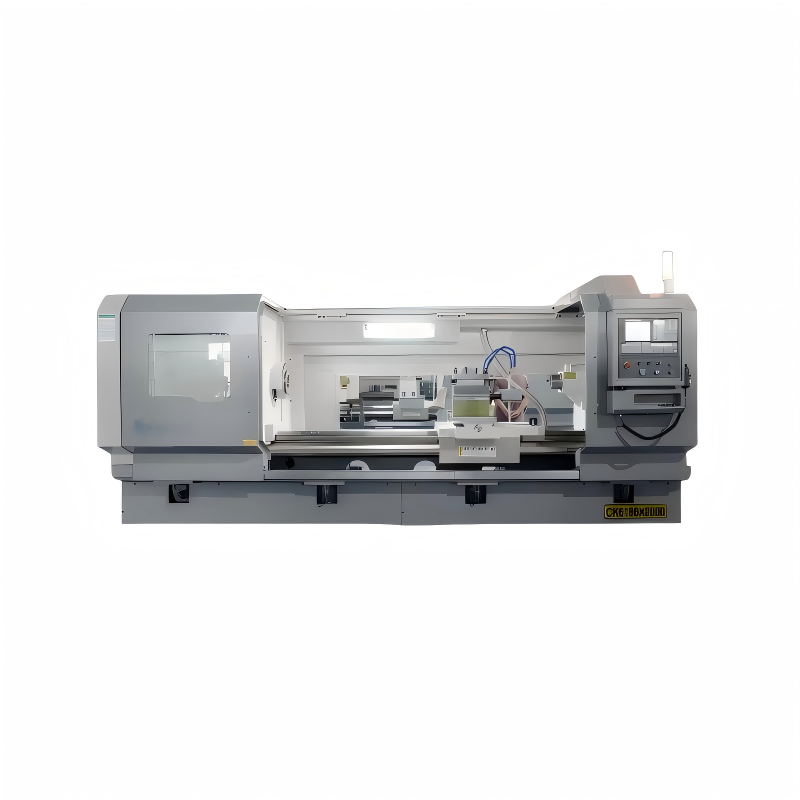
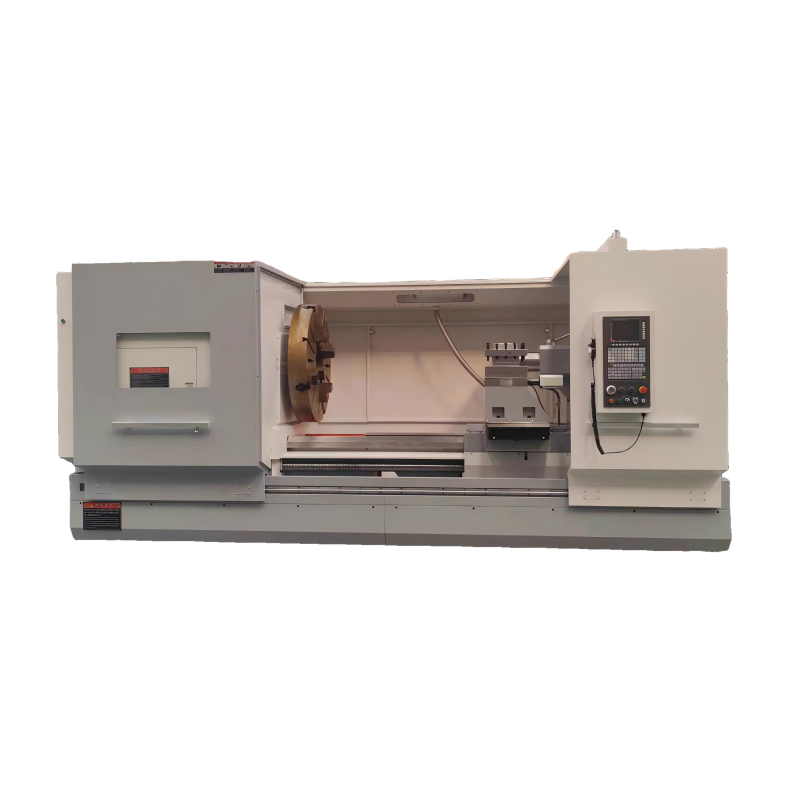
Maintaining a turning hard rail CNC Lathe is crucial for ensuring its longevity and optimal performance. Regular maintenance not only extends the machine's lifespan but also reduces the likelihood of unexpected breakdowns, which can lead to costly repairs and production delays. This section will explore the key aspects of maintaining your Turning Hard Rail CNC Lathe, including the importance of routine inspections, lubrication, and cleaning.
Regular inspections are essential for identifying potential issues before they become major problems. Inspect the machine’s components, such as the spindle, ways, and tool holders, for any signs of wear or damage. Lubrication is another critical aspect of maintenance. Proper lubrication reduces friction, prevents overheating, and ensures smooth operation. Additionally, keeping the machine clean by removing chips and debris helps maintain its precision and efficiency.
Optimizing Tooling and Cutting Parameters for Enhanced Performance
The performance of a turning hard rail CNC lathe can be significantly improved by optimizing tooling and cutting parameters. Selecting the right tools and setting appropriate cutting speeds, feed rates, and depths of cut can enhance productivity and part quality. High-quality tools with the correct geometry and material composition are essential for achieving the desired results. For example, using carbide-tipped tools can provide better wear resistance and longer tool life compared to high-speed steel (HSS) tools.
Adjusting cutting parameters is equally important. The optimal cutting speed depends on the material being machined and the type of tool used. Generally, harder materials require lower cutting speeds, while softer materials can be machined at higher speeds. Feed rates should be set to ensure efficient chip removal without causing excessive tool wear. Balancing these parameters can lead to improved surface finish, reduced cycle times, and extended tool life.
Implementing Advanced Software and Automation for Increased Efficiency
Modern turning hard rail CNC lathes benefit greatly from advanced software and automation technologies. These tools can significantly enhance the machine's capabilities and streamline the manufacturing process. Computer-aided manufacturing (CAM) software allows for the creation of complex toolpaths and can optimize the machining process. By simulating the machining operations, CAM software helps identify potential issues and optimize the toolpath for maximum efficiency.
Automation is another key factor in increasing the efficiency of a turning hard rail CNC lathe. Automated tool changers, bar feeders, and robotic arms can reduce setup times and minimize human intervention, leading to higher productivity and consistent part quality. Additionally, integrating the lathe with other manufacturing systems, such as material handling and inspection, can create a seamless and highly efficient production line.
Ensuring Operator Training and Safety Protocols
Proper operator training and adherence to safety protocols are vital for the safe and effective operation of a turning hard rail CNC lathe. Operators should be thoroughly trained on the machine’s functions, controls, and safety features. This includes understanding how to perform routine maintenance, operate the machine, and respond to emergencies. Comprehensive training programs can help operators become more proficient and confident, reducing the risk of accidents and improving overall productivity.
Safety protocols should be strictly followed to prevent injuries and equipment damage. This includes wearing appropriate personal protective equipment (PPE), such as safety glasses and gloves, and following lockout/tagout procedures when performing maintenance or troubleshooting. Regular safety audits and refresher training sessions can help ensure that all operators are up-to-date with the latest safety practices and regulations.
Conducting Periodic Performance Evaluations and Upgrades
Periodic performance evaluations and upgrades are essential for keeping your turning hard rail CNC lathe at its best. Regularly assessing the machine’s performance can help identify areas for improvement and ensure that it continues to meet your production needs. Performance evaluations may include measuring the accuracy and repeatability of the machine, analyzing cycle times, and evaluating the quality of the finished parts.
Upgrading the machine with new components, such as more powerful motors, advanced control systems, or improved tooling, can further enhance its capabilities. Additionally, staying informed about the latest advancements in CNC technology and considering software updates can help you take advantage of new features and functionalities that can improve your manufacturing processes.
 10/06/2026



