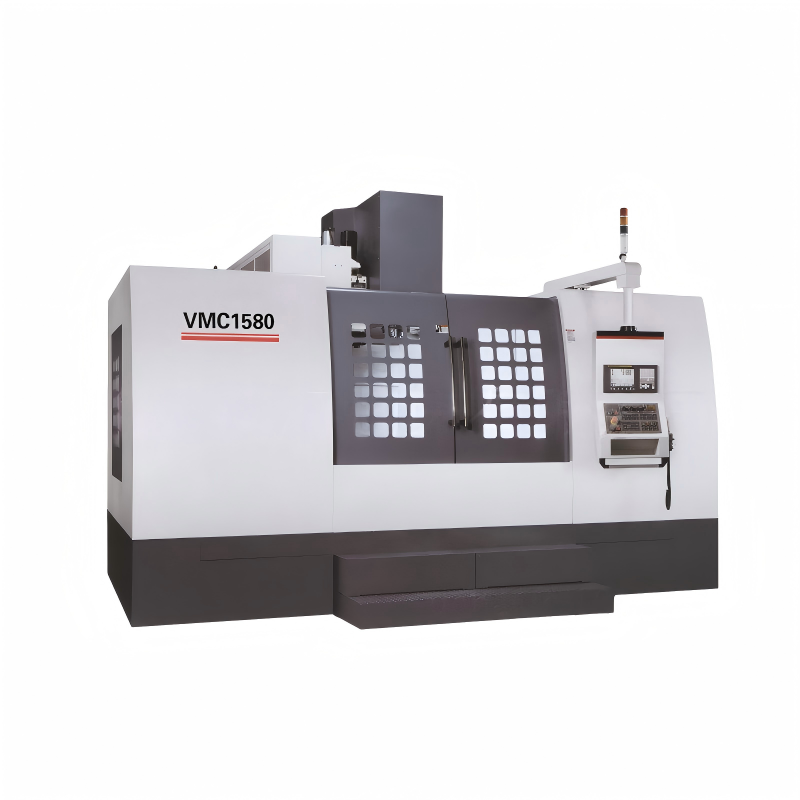
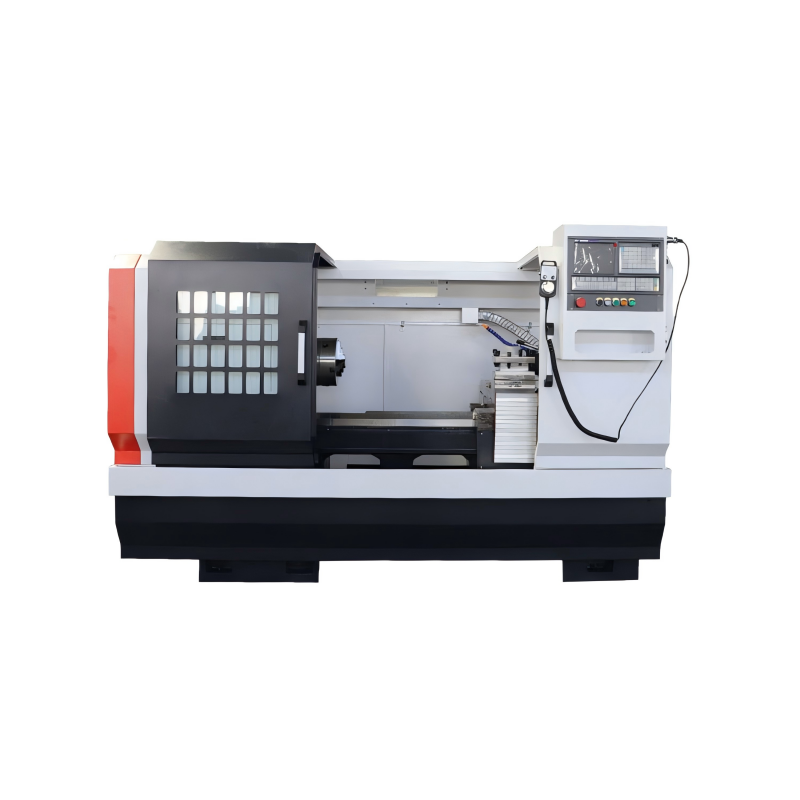
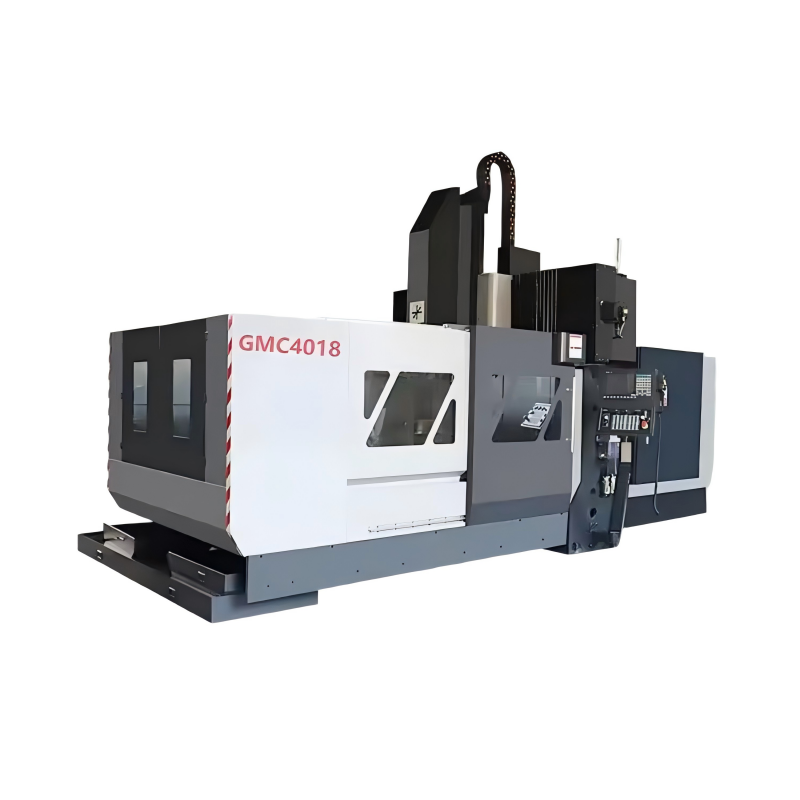
The journey of the 2-Axis CNC Lathe from its inception to today's advanced models is a testament to continuous technological progress. Initially, lathes were simple machines requiring manual operation, but with the advent of Computer Numerical Control (CNC) technology, they have transformed into highly efficient and precise tools. This transformation has not only increased productivity but also opened up new possibilities in manufacturing. The 2-Axis CNC Lathe, in particular, stands out for its ability to handle a wide range of materials and produce complex parts with high accuracy. By automating the turning process, these machines reduce human error, improve consistency, and enable manufacturers to achieve higher levels of precision and repeatability.
Several key advancements have propelled the 2-Axis CNC lathe to the forefront of modern manufacturing. One of the most significant improvements is the integration of advanced control systems. These systems allow for real-time monitoring and adjustment, ensuring that the machining process remains within tight tolerances. Additionally, the use of high-speed spindles has greatly enhanced the speed and efficiency of the 2-Axis CNC lathe. High-speed spindles can rotate at extremely high speeds, reducing the time required for cutting and improving surface finish. Another notable advancement is the development of multi-tool turrets, which enable the 2-Axis CNC lathe to perform multiple operations without the need for tool changes. This feature significantly reduces setup times and increases overall productivity. Furthermore, the incorporation of advanced software and programming capabilities has made it easier to design and execute complex machining operations, further enhancing the versatility and precision of the 2-Axis CNC lathe.
The 2-Axis CNC lathe has had a profound impact on various manufacturing industries, particularly in sectors such as automotive, aerospace, and medical devices. In the automotive industry, the 2-Axis CNC lathe is used to produce critical components such as engine parts, transmission components, and brake systems. The high precision and repeatability of these machines ensure that each part meets the stringent quality standards required in the automotive sector. Similarly, in the aerospace industry, the 2-Axis CNC lathe is essential for manufacturing components that require high precision and reliability, such as turbine blades and landing gear parts. The medical device industry also benefits from the 2-Axis CNC lathe, as it is used to produce intricate and precise components for surgical instruments and implants. The ability of the 2-Axis CNC lathe to handle a wide range of materials, including metals, plastics, and composites, makes it a versatile tool in these industries. Additionally, the 2-Axis CNC lathe's ability to produce complex geometries and maintain high accuracy has enabled manufacturers to innovate and develop new products, driving growth and competitiveness in the market.
Despite the numerous advantages, the implementation of 2-Axis CNC lathes in manufacturing processes is not without challenges. One of the primary challenges is the initial cost of investment, which can be a significant barrier for small and medium-sized enterprises (SMEs). However, the long-term benefits, such as increased productivity and reduced labor costs, often outweigh the initial investment. Another challenge is the need for skilled operators and programmers. The 2-Axis CNC lathe requires specialized knowledge to operate and program effectively. To address this, many manufacturers are investing in training programs and partnerships with educational institutions to develop a skilled workforce. Additionally, the maintenance and upkeep of these machines can be demanding, requiring regular calibration and servicing to ensure optimal performance. To mitigate this, manufacturers are increasingly adopting predictive maintenance strategies, using sensors and data analytics to monitor the health of the machine and schedule maintenance proactively. Finally, the integration of 2-Axis CNC lathes into existing production lines can be challenging, as it may require reconfiguration of the entire workflow. However, with careful planning and the use of modular and flexible manufacturing systems, this challenge can be overcome, leading to a more efficient and productive manufacturing environment.
The future of 2-Axis CNC lathe technology is promising, with several emerging trends and developments set to further enhance its capabilities. One of the key trends is the integration of Industry 4.0 technologies, such as the Internet of Things (IoT), artificial intelligence (AI), and machine learning (ML). These technologies will enable 2-Axis CNC lathes to become even more intelligent and autonomous, capable of self-optimizing and adapting to changing conditions. For example, AI and ML algorithms can be used to analyze data from the machining process, identify patterns, and make real-time adjustments to improve efficiency and quality. Another trend is the development of hybrid machines that combine the capabilities of 2-Axis CNC lathes with other machining processes, such as milling and drilling. This will allow for the production of more complex and integrated parts in a single setup, reducing the need for multiple machines and operations. Additionally, there is a growing focus on sustainability and energy efficiency in 2-Axis CNC lathe technology. Manufacturers are developing more energy-efficient designs and incorporating features such as regenerative braking and smart power management to reduce the environmental impact of these machines. Finally, the use of advanced materials, such as composites and high-strength alloys, is driving the development of 2-Axis CNC lathes with enhanced cutting capabilities and improved tool life. These innovations will continue to transform the manufacturing landscape, making 2-Axis CNC lathes an indispensable tool for the future of industry.
 24/06/2026
In the realm of precision machining, the 2-Axis CNC Lathe stands out as a versatile and indispensable tool. This comprehensive guide aims to provide a detailed understanding of 2-Axis CNC Lathe programming, covering essential concepts, practical applicati
Read More24/06/2026Introduction to 2-Axis CNC Lathes The 2-Axis CNC (Computer Numerical Control) lathe is a fundamental piece of machinery in the manufacturing industry, enabling precise and efficient production of cylindrical parts. Unlike its more complex counterparts, th
Read More23/06/2026In today's manufacturing landscape, the choice of a 2-Axis CNC Lathe is pivotal for achieving precision and efficiency in machining operations. This report delves into the critical factors to consider when selecting the right 2-Axis CNC Lathe for your wor
Read More23/06/2026A 2-Axis CNC Lathe is a vital piece of equipment in many manufacturing processes, providing precision and efficiency that traditional lathes cannot match. However, to ensure optimal performance and longevity, regular maintenance is essential. This report
Read More23/06/2026The advent of Computer Numerical Control (CNC) technology has revolutionized the metalworking industry, offering unprecedented precision and efficiency. Among the various types of CNC machines, the 2-Axis CNC Lathe stands out as a versatile tool that sign
Read More22/06/2026Understanding the Basics of 2-Axis CNC Lathe The 2-axis CNC lathe is a fundamental machine in the world of manufacturing, especially suited for small shops looking to increase efficiency while maintaining cost-effectiveness. These machines operate along t
Read More22/06/2026In the realm of precision machining, the 2-Axis CNC Lathe plays a pivotal role in achieving high-precision and efficient manufacturing. This technical report delves into the various aspects of how a 2-Axis CNC Lathe contributes to the field, highlighting
Read More22/06/2026The evolution of manufacturing technologies has been marked by continuous innovation, with the 2-Axis CNC Lathe standing out as a pivotal tool in this transformation. This report delves into the versatility and critical applications of the 2-Axis CNC Lath
Read MoreOur professional sales team is always ready to assist you.