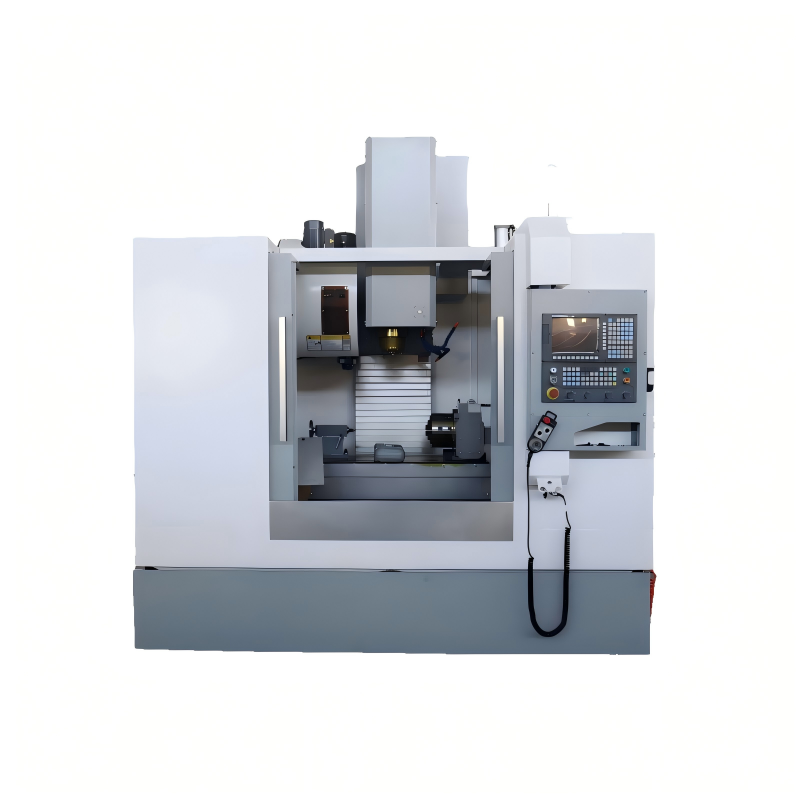
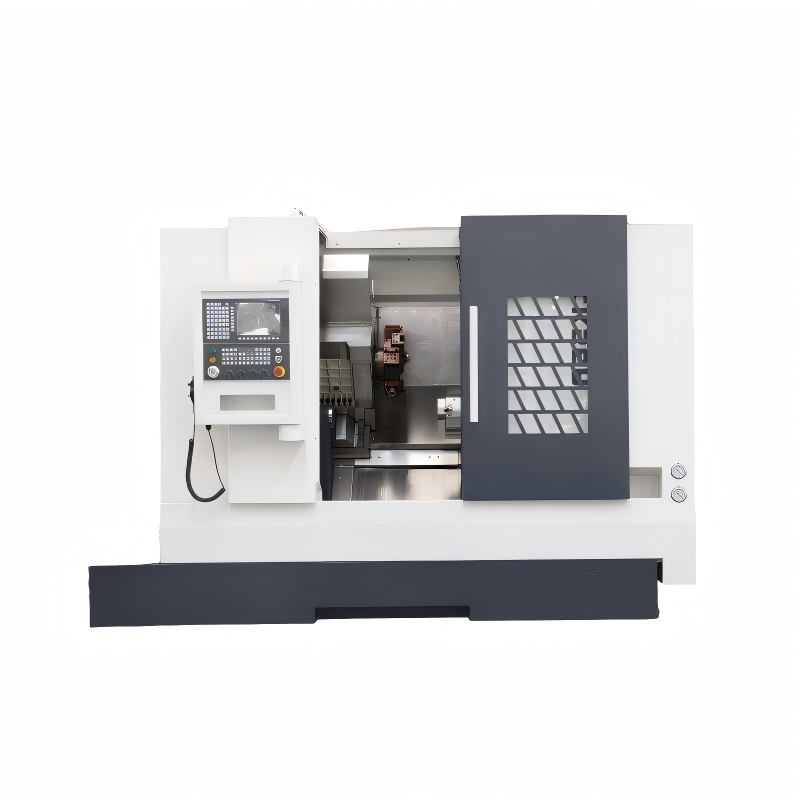
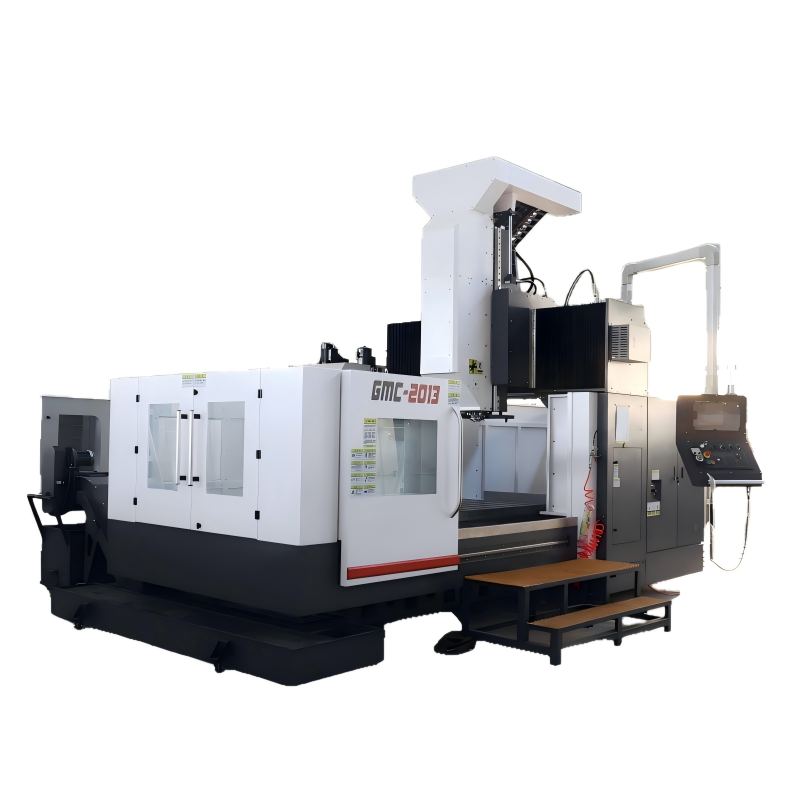
The decision to purchase a 5 Axis Vertical Machining Center (VMC) is not one that should be taken lightly. This type of machinery represents a significant investment, both in terms of capital and the potential for enhancing manufacturing capabilities. To ensure that your investment yields the best possible return, it's crucial to consider several key factors before making a final decision. In this report, we will explore some of the most important considerations when purchasing a 5 Axis Vertical Machining Center.
The first and perhaps most critical step in the process of acquiring a 5 Axis Vertical Machining Center is to thoroughly understand your production needs. It’s essential to identify the specific types of parts or components you intend to manufacture, as well as the materials they will be made from. For instance, if your work involves intricate designs or complex geometries, a 5 axis VMC can offer unparalleled precision and flexibility. Additionally, consider the volume of production; high-volume manufacturing may require a machine with higher speed and automation capabilities, while low-volume, high-variety production might prioritize versatility and ease of setup. By aligning the machine's capabilities with your specific production requirements, you can maximize efficiency and minimize downtime.
Once you have a clear understanding of your production needs, the next step is to evaluate the specifications and capabilities of different 5 Axis Vertical Machining Centers. Key factors to consider include the machine's travel range, spindle speed, tool capacity, and overall rigidity. The travel range determines the maximum size of the part that can be machined, which is crucial for ensuring that the machine can handle all your intended workpieces. Spindle speed affects the cutting performance and surface finish, especially for hard materials. Tool capacity is another important aspect, as it directly impacts the number of tools that can be stored and automatically changed during the machining process, thus reducing setup times and increasing productivity. Lastly, the rigidity of the machine is vital for maintaining accuracy and repeatability, particularly when working with heavy or large parts. A well-constructed, rigid machine will provide better stability and reduce vibrations, leading to higher quality finished products.
In today’s advanced manufacturing environment, the software and automation features of a 5 Axis Vertical Machining Center are just as important as its mechanical specifications. Modern CNC (Computer Numerical Control) systems come equipped with sophisticated software that can significantly enhance the machine's capabilities. Look for machines that offer user-friendly interfaces, robust programming capabilities, and advanced simulation tools. These features can help streamline the programming process, reduce errors, and improve overall efficiency. Additionally, consider the level of automation available, such as automatic tool changers, pallet changers, and robotic integration. Automation can greatly increase productivity by reducing manual intervention and allowing for continuous operation, even during off-hours. When evaluating these features, it’s also important to consider the training and support provided by the manufacturer, as well as the compatibility of the software with your existing systems.
While the initial cost of a 5 Axis Vertical Machining Center is a significant factor, it’s equally important to consider the long-term costs and maintenance requirements. The total cost of ownership (TCO) includes not only the purchase price but also ongoing expenses such as energy consumption, consumables, and maintenance. Energy-efficient machines can help reduce operational costs over time, and it’s worth considering models that offer energy-saving features. Consumables, such as cutting tools and lubricants, can also add up, so it’s important to choose a machine that uses standard, readily available components. Maintenance is another critical aspect; regular servicing and timely replacement of worn parts are essential for maintaining the machine’s performance and longevity. Look for manufacturers that offer comprehensive maintenance plans and a strong network of service providers. Additionally, consider the availability of spare parts and the response time for technical support, as these can significantly impact downtime and overall productivity.
Finally, the quality and reliability of the 5 Axis Vertical Machining Center are paramount. A reliable machine will not only produce high-quality parts consistently but also minimize unexpected downtime and repair costs. When evaluating different machines, look for those with a proven track record of durability and performance. Check for certifications and compliance with industry standards, as these can be indicators of a well-designed and well-manufactured product. Additionally, read reviews and case studies from other users, and if possible, visit facilities where the machine is in use to see it in action. This firsthand experience can provide valuable insights into the machine’s performance and reliability under real-world conditions. Furthermore, consider the reputation and financial stability of the manufacturer, as a well-established company is more likely to provide ongoing support and updates for their products.
By carefully considering these key factors—understanding your production needs, evaluating machine specifications and capabilities, considering software and automation features, assessing long-term cost and maintenance, and ensuring quality and reliability—you can make an informed decision when purchasing a 5 Axis Vertical Machining Center. This investment will not only enhance your manufacturing capabilities but also contribute to the long-term success and competitiveness of your business.
 27/06/2026
Introduction to 5 Axis Vertical Machining CenterThe advent of the 5 Axis Vertical Machining Center (VMC) marks a significant leap in the manufacturing industry, offering unparalleled precision and efficiency. This technology has revolutionized production
Read More27/06/2026In the realm of precision engineering and manufacturing, the 5 Axis Vertical Machining Center (VMC) has emerged as a pivotal tool for optimizing workflows. These advanced machines offer unparalleled flexibility and efficiency, enabling manufacturers to pr
Read More27/06/2026Advancements in Precision and EfficiencyThe evolution of 5 Axis Vertical Machining Center technology has significantly enhanced the precision and efficiency of manufacturing processes. These centers are designed to handle complex geometries with ease, tha
Read More26/06/2026Understanding the Basics of 5 Axis Vertical Machining CentersA 5 axis vertical machining center is a sophisticated piece of equipment designed to perform complex and precise operations on a wide range of materials. These machines are characterized by thei
Read More26/06/2026Understanding the Core Capabilities of 5 Axis Vertical Machining CentersThe advent of 5 axis vertical machining centers has revolutionized the manufacturing industry, offering unparalleled precision and flexibility in the production process. These machine
Read More26/06/2026Choosing the right 5 Axis Vertical Machining Center (VMC) for your specific manufacturing needs is a critical decision that can significantly impact productivity, efficiency, and overall business performance. With the increasing demand for complex and hig
Read More26/06/2026In the realm of advanced manufacturing, 5 Axis Vertical Machining Centers (VMCs) have emerged as a game-changing technology, revolutionizing the way complex parts are machined. This report delves into the benefits that these machines bring to production p
Read More25/06/2026In the rapidly evolving landscape of manufacturing, the advent of 5 Axis Vertical Machining Centers (VMCs) has marked a significant milestone. These advanced machines are not only transforming the way we approach precision engineering but also setting new
Read More25/06/2026Investing in a 5 Axis Vertical Machining Center (VMC) is a strategic decision that can significantly enhance the capabilities and efficiency of your manufacturing operations. This advanced piece of machinery offers unparalleled precision, flexibility, and
Read More25/06/2026In the realm of advanced manufacturing, 5 Axis Vertical Machining Centers (VMCs) have emerged as a game-changer, offering unparalleled precision and flexibility. These machines are not just an upgrade from their 3-axis counterparts; they represent a signi
Read More25/06/20265 Axis Vertical Machining Centers represent a significant advancement in the field of precision machining, offering capabilities that traditional 3-axis machines cannot match. These advanced tools are designed to handle complex geometries and high-precisi
Read More24/06/2026In the rapidly evolving world of manufacturing, precision and efficiency are paramount. The advent of 5 Axis Vertical Machining Centers (VMCs) has significantly enhanced these aspects, making them indispensable in modern industrial settings. This report e
Read More24/06/20265 Axis Vertical Machining Centers (VMCs) have revolutionized the manufacturing industry, offering unparalleled precision and flexibility in machining complex parts. This comprehensive guide aims to provide a detailed understanding of 5 Axis VMCs, their ap
Read More24/06/2026In the ever-evolving landscape of manufacturing, technological advancements play a crucial role in shaping the future. One such innovation that has been making waves is the 5 Axis Vertical Machining Center. This cutting-edge technology is not just another
Read More24/06/2026IntroductionThe 5 axis vertical machining center has revolutionized the manufacturing industry by offering unparalleled precision, efficiency, and versatility. This advanced piece of machinery is designed to handle complex geometries and multi-sided parts
Read More23/06/2026Introduction to 5 Axis Vertical Machining CentersThe 5 axis vertical machining center represents a significant advancement in the field of precision engineering. This technology enables complex parts and components to be manufactured with an unprecedented
Read More23/06/2026The advent of 5 Axis Vertical Machining Centers (VMCs) has revolutionized the manufacturing industry, enabling complex and precise machining operations that were once either impossible or highly inefficient. These advanced machines are capable of performi
Read More23/06/2026In the ever-evolving landscape of manufacturing, the advent of 5 Axis Vertical Machining Centers (VMCs) has marked a significant shift towards more efficient and precise production processes. These advanced machines offer unparalleled flexibility and capa
Read More23/06/2026Introduction to 5 Axis Vertical Machining Centers The advent of the 5 axis vertical machining center has revolutionized the manufacturing industry, offering unparalleled precision and versatility. These advanced machines are designed to handle complex geo
Read MoreOur professional sales team is always ready to assist you.