Introduction
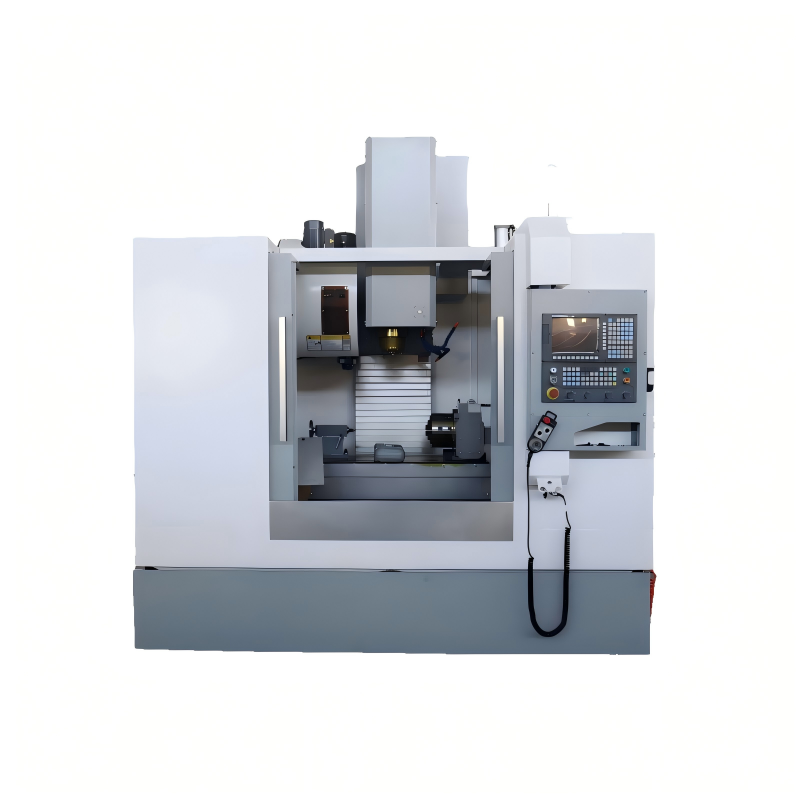
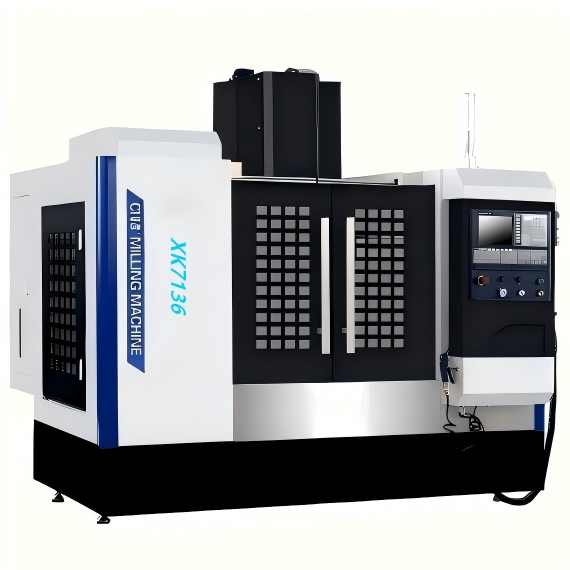
In the realm of precision machining, the Linear Guideway VMC (Vertical Machining Center) stands out as a critical tool for achieving high-accuracy and reliable performance. The integration of linear guideways in VMCs has significantly enhanced their capabilities, making them indispensable in various manufacturing processes. This technical report delves into the impact of linear guideways on the reliability of VMCs, exploring key aspects such as design, maintenance, and overall performance.
The design of a Linear Guideway VMC is crucial for ensuring optimal performance and longevity. Linear guideways, also known as linear guides or linear bearings, are integral components that support and guide the movement of the machine's axes. These guideways are designed to provide smooth, precise, and low-friction motion, which is essential for maintaining the accuracy and repeatability of the machining process.
One of the primary considerations in the design of a Linear Guideway VMC is the selection of the appropriate type of guideway. Common types include ball screw guideways, roller guideways, and hydrostatic guideways. Each type has its own advantages and is suitable for different applications. For instance, ball screw guideways offer high precision and rigidity, while roller guideways are known for their load-carrying capacity and durability.
Another important aspect is the alignment and installation of the guideways. Proper alignment ensures that the guideways are parallel and perpendicular to each other, minimizing any potential misalignment that could lead to uneven wear and reduced accuracy. Additionally, the use of high-quality materials and surface treatments, such as hardened steel and chrome plating, can further enhance the durability and performance of the guideways.
Regular maintenance is essential for ensuring the long-term reliability and performance of a Linear Guideway VMC. Proper maintenance practices not only extend the lifespan of the machine but also help in maintaining its accuracy and efficiency. Key maintenance activities include lubrication, inspection, and cleaning of the guideways.
Lubrication is one of the most critical aspects of maintenance. The use of high-quality lubricants, such as synthetic oils or greases, helps to reduce friction and wear between the moving parts of the guideways. Regular lubrication intervals should be followed, and the lubricant should be applied in the correct quantity and at the right points to ensure effective coverage.
Inspection is another vital component of maintenance. Regular visual inspections can help identify any signs of wear, damage, or misalignment. Early detection of these issues allows for timely corrective actions, preventing more significant problems from developing. Additionally, the use of advanced diagnostic tools, such as vibration analysis and thermal imaging, can provide deeper insights into the condition of the guideways and other critical components.
Cleaning is also an essential part of maintenance. Accumulation of debris, chips, and other contaminants can affect the smooth operation of the guideways and lead to premature wear. Regular cleaning, using appropriate solvents and tools, helps to keep the guideways free from contaminants and ensures their optimal performance.
The integration of linear guideways in VMCs has led to significant performance enhancements, particularly in terms of accuracy, speed, and productivity. Linear guideways provide a stable and precise platform for the movement of the machine's axes, resulting in improved dimensional accuracy and surface finish of the machined parts.
One of the key benefits of linear guideways is their ability to reduce friction and wear. The low-friction design of these guideways minimizes the energy required for movement, leading to faster and more efficient machining operations. This, in turn, results in higher productivity and reduced cycle times, making Linear Guideway VMCs highly desirable in high-volume production environments.
Moreover, linear guideways offer excellent load-carrying capacity and rigidity, which are crucial for handling heavy workpieces and performing high-force cutting operations. The rigidity of the guideways ensures that the machine remains stable during operation, reducing vibrations and improving the overall quality of the machined parts.
Another significant advantage is the extended service life of the machine. The use of high-quality materials and advanced surface treatments, combined with proper maintenance, can significantly increase the lifespan of the guideways and other critical components. This reduces the need for frequent replacements and downtime, leading to lower operating costs and higher overall equipment effectiveness (OEE).
The Linear Guideway VMC has become a cornerstone of modern precision machining, offering unparalleled accuracy, reliability, and performance. The design, maintenance, and performance enhancements provided by linear guideways have made these machines indispensable in a wide range of manufacturing applications. By understanding the key considerations and best practices for maintaining and optimizing the performance of Linear Guideway VMCs, manufacturers can achieve higher levels of productivity, quality, and cost-effectiveness in their operations.
As technology continues to advance, the development of new materials, designs, and maintenance techniques will further enhance the capabilities of Linear Guideway VMCs. This ongoing evolution will ensure that these machines remain at the forefront of precision machining, driving innovation and excellence in the manufacturing industry.
 29/06/2026
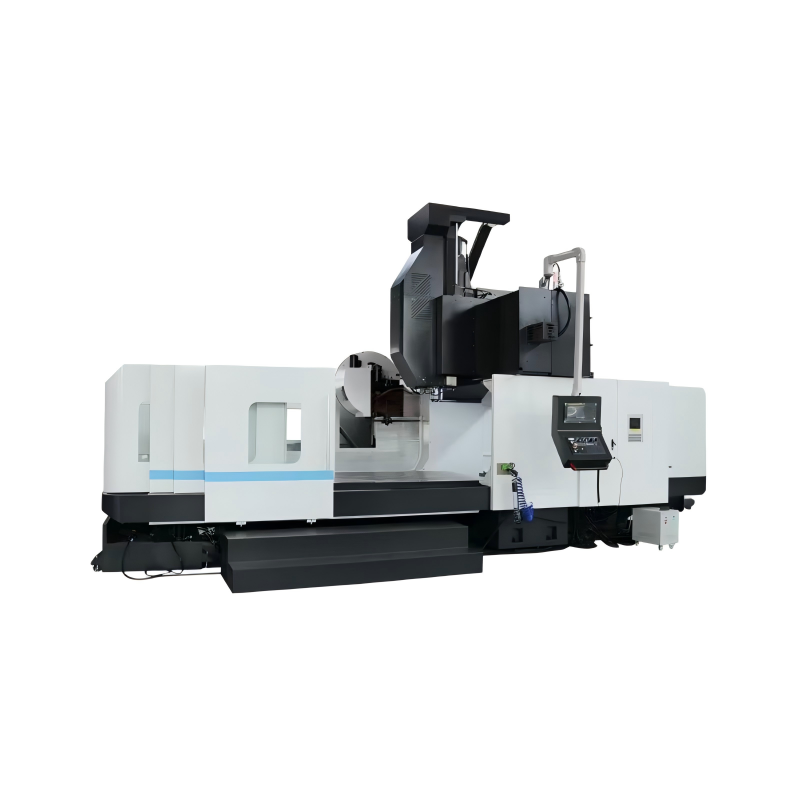
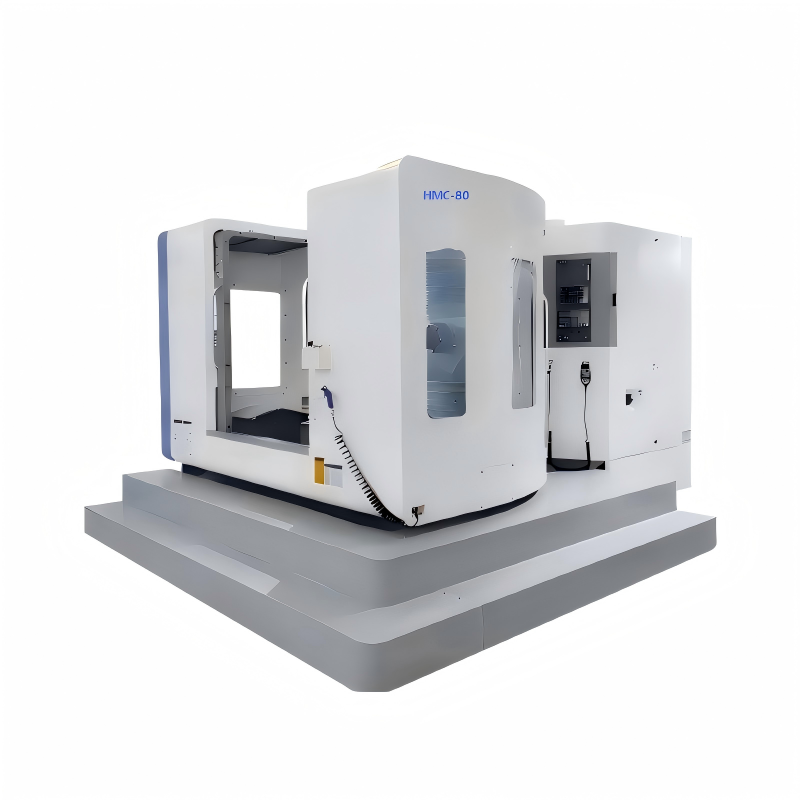
Linear guideways have become a standard in the manufacturing industry, providing precision and reliability to machine tools. In this report, we will explore how integrating Linear Guideway VMC (Vertical Machining Centers) with Double Pallet Heavy HMC (Hor
Read More29/06/2026In the realm of precision manufacturing, the application of advanced machinery is crucial for achieving high accuracy and efficiency. One such innovation that has significantly impacted the industry is the Linear Guideway Vertical Machining Center (VMC).
Read More29/06/2026Vertical Machining Centers (VMCs) have become an indispensable part of modern manufacturing, offering precision and efficiency in a wide range of applications. One of the key components that significantly enhances the performance of VMCs is the Linear Gui
Read More28/06/2026Introduction to Linear Guideways in VMC Linear guideways, a critical component of modern Vertical Machining Centers (VMCs), play an essential role in ensuring precision, stability, and longevity. These components are designed to provide smooth, accurate,
Read More27/06/2026Linear Guideway VMC, or Vertical Machining Center, is a type of machine tool that plays an essential role in the manufacturing industry. It is designed to perform a variety of machining operations with high precision and efficiency. One of the key compone
Read More27/06/2026In the modern manufacturing landscape, precision and speed are critical factors that determine the competitiveness of a business. One technology that has significantly contributed to achieving these goals is the Linear Guideway VMC. This report delves int
Read More27/06/2026Understanding the Importance of Linear Guideways in VMC PerformanceLinear guideways play a crucial role in the overall performance and precision of Vertical Machining Centers (VMC). These components are responsible for guiding the movement of machine part
Read More27/06/2026Linear guideways are an essential component in the design and operation of Vertical Machining Centers (VMC), providing precision, stability, and efficiency. This report delves into the advanced features of linear guideways that significantly enhance the p
Read More26/06/2026Introduction to Linear Guideways in VMC Linear guideways play a crucial role in the performance and efficiency of Vertical Machining Centers (VMC). These components are responsible for guiding and supporting the movement of machine parts, ensuring smooth,
Read More26/06/2026Linear guideways are a critical component in the operation and performance of Vertical Machining Centers (VMCs), providing the necessary precision, stability, and durability for high-accuracy machining processes. However, like any mechanical system, they
Read More26/06/2026Linear guideways are a critical component in the design and operation of vertical machining centers (VMC). They provide the necessary support and guidance for the movement of the machine's components, ensuring precision, stability, and longevity. This rep
Read More26/06/2026Linear guideways are critical components in the design and operation of Vertical Machining Centers (VMCs), playing a pivotal role in ensuring precision, stability, and longevity. The choice of linear guideway can significantly impact the overall performan
Read More25/06/2026In the world of manufacturing, precision and efficiency are paramount. Vertical Machining Centers (VMCs) play a crucial role in achieving these goals, and one of the key components that enhance their performance is the linear guideway. This report explore
Read More25/06/2026Linear Guideway VMCs (Vertical Machining Centers) are a staple in the modern manufacturing industry, offering unparalleled precision and efficiency. This report aims to explore best practices for utilizing linear guideways within VMCs to maximize producti
Read More25/06/2026Linear guideways have become a cornerstone in the advancement of Vertical Machining Centers (VMCs), significantly influencing their performance, precision, and overall efficiency. As we look towards the future, it is essential to understand the current tr
Read More25/06/2026Linear guideways play a crucial role in the performance and longevity of Vertical Machining Centers (VMCs). These components are responsible for ensuring smooth, precise, and repeatable motion along the X, Y, and Z axes. This comprehensive guide aims to p
Read More24/06/2026Linear guideways play a crucial role in the performance and efficiency of Vertical Machining Centers (VMC). These components are essential for ensuring smooth, precise, and reliable motion in VMCs, which are widely used in various manufacturing processes.
Read More24/06/2026The evolution of manufacturing technologies has led to significant advancements in the design and functionality of machine tools. Among these, the Linear Guideway Vertical Machining Center (VMC) stands out as a critical component for precision machining o
Read More24/06/2026Understanding the Importance of Linear Guideways in VMCsWhen it comes to the performance and longevity of a Vertical Machining Center (VMC), the choice of Linear Guideway VMC can significantly influence both. A linear guideway is an essential component th
Read More24/06/2026The advancement in manufacturing technology has brought about significant improvements in the efficiency and performance of various machine tools. One such innovation, the Linear Guideway, when integrated into Vertical Machining Centers (VMCs), demonstrat
Read More23/06/2026Linear guideways play a crucial role in the precision and performance of Vertical Machining Centers (VMCs). As manufacturing industries continue to demand higher accuracy, faster processing speeds, and longer machine life, the enhancements made to linear
Read More23/06/2026Understanding the Role of Linear Guideways in VMCsIn the realm of precision engineering, the Vertical Machining Center (VMC) stands out as a versatile and indispensable tool. A key component contributing to its accuracy and efficiency is the linear guidew
Read More23/06/2026In the realm of modern manufacturing, precision and efficiency are paramount. One technology that significantly contributes to achieving these goals is the Vertical Machining Center (VMC) equipped with linear guideways. This report delves into how VMCs, p
Read More23/06/2026The evolution of manufacturing technologies has led to significant improvements in the efficiency, precision, and durability of machining processes. One such advancement is the integration of linear guideways into Vertical Machining Centers (VMCs). This t
Read MoreOur professional sales team is always ready to assist you.