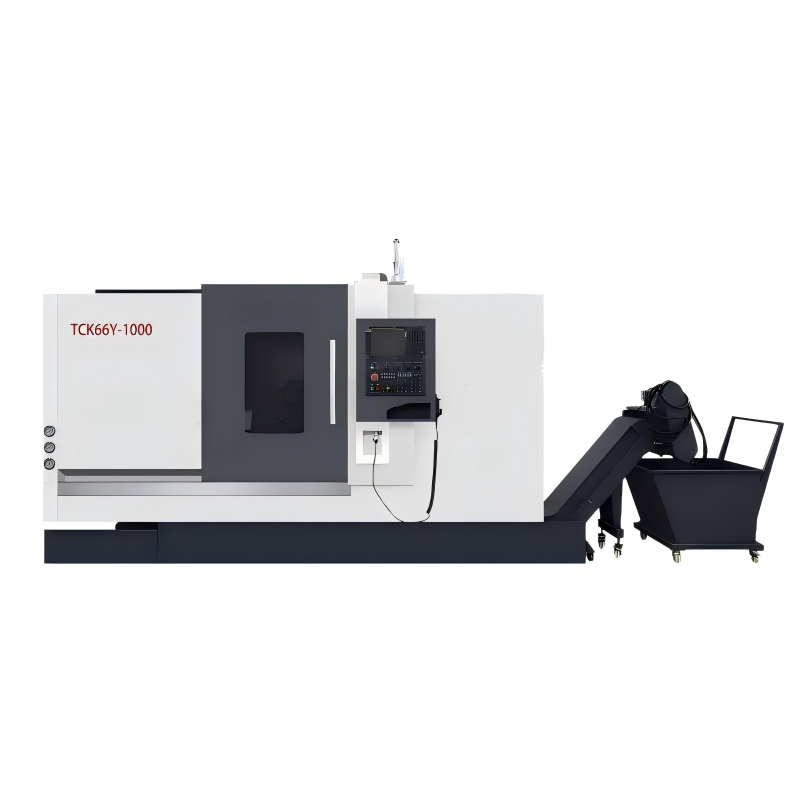
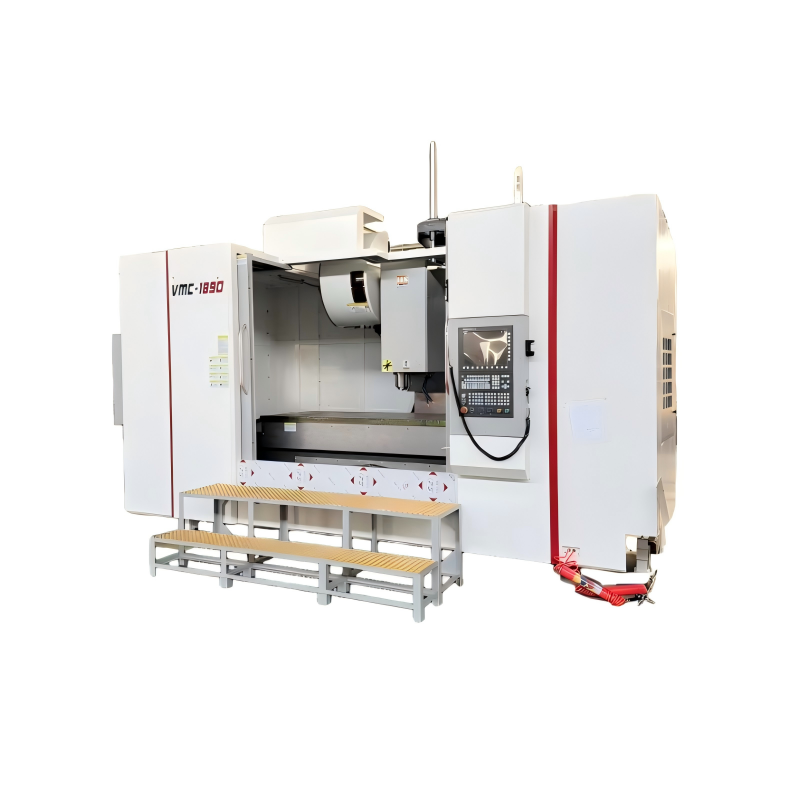
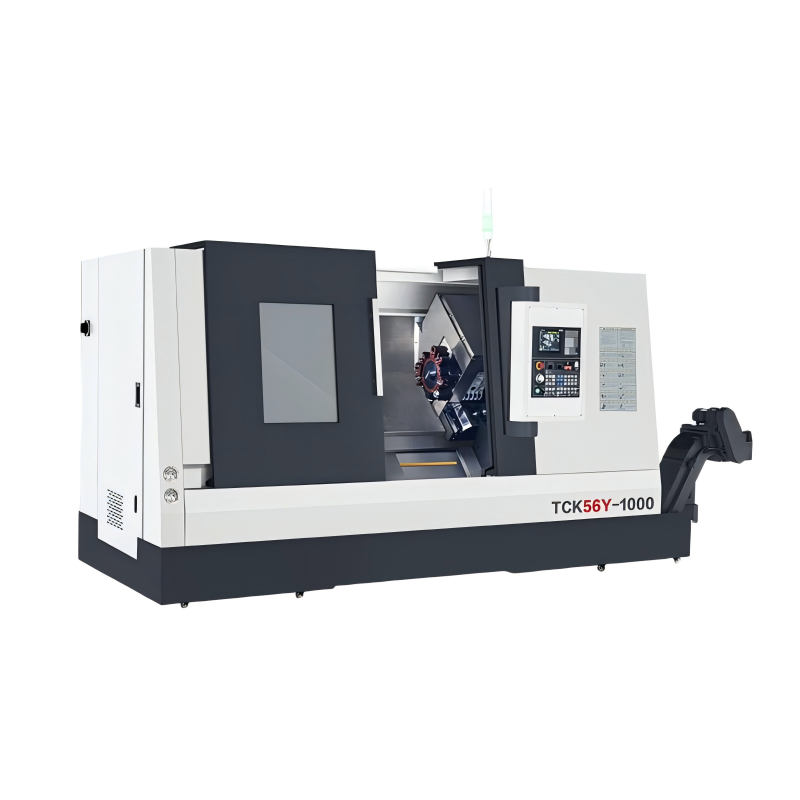
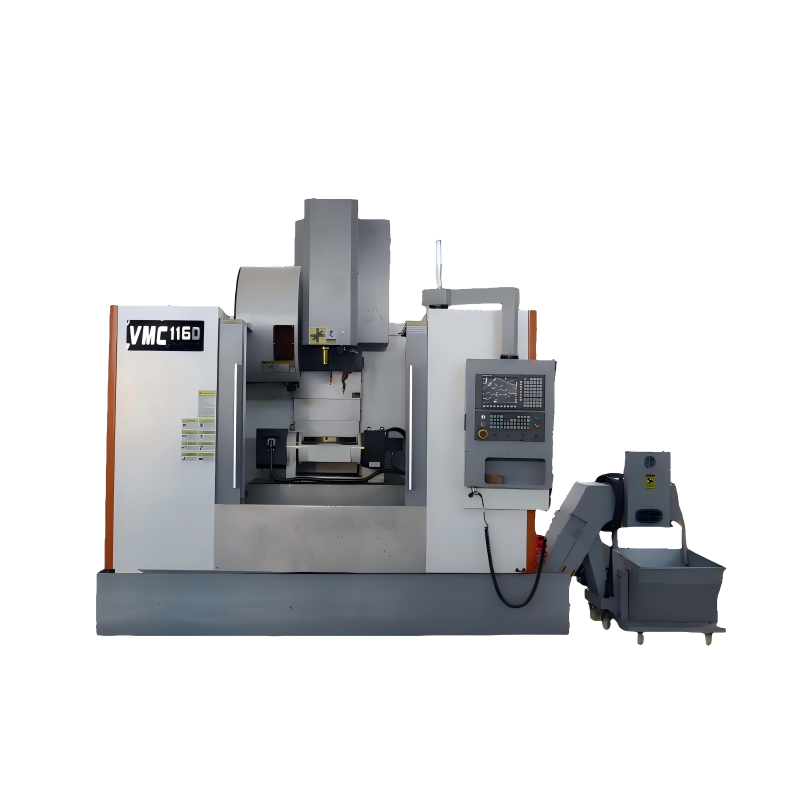
In the realm of Vertical Machining Centers (VMCs), understanding and implementing the Box Way or Hard Way system is crucial for achieving precision, durability, and performance. This technical report delves into the complexities of the Hard Way in VMC engineering, providing insights into its advantages, challenges, and best practices. By exploring the intricacies of the Hard Way, engineers and manufacturers can optimize their machining processes and enhance the overall quality of their products.
The Hard Way, also known as the Box Way, is a fundamental component in VMCs, characterized by its robust and rigid design. Unlike linear guideways, which use rolling elements, the Hard Way employs a sliding mechanism that provides superior structural integrity. The Box Way is typically made from high-quality cast iron, which is known for its excellent damping properties and resistance to wear and tear. This makes it an ideal choice for heavy-duty machining operations where stability and durability are paramount.
One of the key advantages of the Hard Way system is its ability to handle high loads and maintain accuracy over extended periods. The large contact area between the sliding surfaces ensures that the machine remains stable even under extreme conditions. Additionally, the Box Way's design allows for easy maintenance and repair, as worn-out components can be replaced without compromising the overall structure of the machine. This feature is particularly valuable in industrial settings where downtime can be costly.
Thermal stability is a critical factor in VMC engineering, as temperature variations can significantly affect the precision and repeatability of machining operations. The Hard Way system excels in this area due to its inherent thermal stability. The cast iron used in the Box Way has a low coefficient of thermal expansion, which means it is less susceptible to dimensional changes caused by temperature fluctuations. This property ensures that the machine maintains its accuracy and consistency, even in environments with varying temperatures.
Moreover, the Hard Way system often incorporates advanced cooling mechanisms, such as coolant channels and heat sinks, to further enhance thermal management. These features help dissipate heat generated during machining, preventing thermal distortion and ensuring that the machine operates within optimal parameters. By maintaining a stable operating temperature, the Hard Way system contributes to the overall precision and reliability of VMCs, making it a preferred choice for high-precision applications.
While the Hard Way system offers numerous benefits, it also presents certain challenges that must be addressed to ensure optimal performance. One of the primary challenges is the need for regular lubrication to reduce friction and prevent wear. The sliding surfaces of the Box Way require a consistent supply of lubricant to maintain smooth operation and extend the lifespan of the components. Advanced lubrication systems, such as automatic oilers and centralized lubrication units, can be integrated into the VMC to address this issue effectively.
Another challenge is the potential for increased friction, which can lead to higher energy consumption and reduced efficiency. To mitigate this, engineers can incorporate low-friction coatings and materials, such as bronze or Teflon, on the sliding surfaces. These materials reduce the coefficient of friction, allowing the Hard Way to operate more efficiently while maintaining its structural integrity. Additionally, proper alignment and adjustment of the Box Way components are essential to minimize friction and ensure smooth movement.
Finally, the initial cost and complexity of manufacturing the Hard Way system can be higher compared to other types of guideways. However, the long-term benefits, including improved durability, precision, and lower maintenance costs, often justify the investment. By carefully selecting materials, optimizing design, and implementing effective maintenance strategies, manufacturers can overcome these challenges and fully leverage the advantages of the Hard Way in VMC engineering.
To ensure the longevity and optimal performance of the Hard Way system, it is essential to follow best practices for maintenance and optimization. Regular inspection and cleaning of the sliding surfaces are crucial to remove debris and contaminants that can cause wear and reduce efficiency. Using high-quality lubricants and following a strict lubrication schedule can significantly extend the life of the Box Way components and maintain smooth operation.
Additionally, periodic alignment checks and adjustments are necessary to ensure that the Box Way remains in proper alignment. Misalignment can lead to uneven wear and reduced accuracy, so it is important to address any deviations promptly. Employing advanced monitoring and diagnostic tools, such as vibration analysis and thermal imaging, can help detect issues early and prevent unexpected downtime.
Training and education for operators and maintenance personnel are also vital. Understanding the unique characteristics and requirements of the Hard Way system enables them to perform their tasks more effectively and contribute to the overall success of the VMC. By investing in training and continuous improvement, manufacturers can maximize the benefits of the Hard Way and achieve superior results in their machining operations.
The Hard Way, or Box Way, system plays a pivotal role in VMC engineering, offering unparalleled structural integrity, thermal stability, and precision. While it presents certain challenges, these can be effectively managed through advanced design, materials, and maintenance practices. By adopting best practices and leveraging the strengths of the Hard Way, manufacturers can enhance the performance and longevity of their VMCs, ultimately leading to higher quality products and greater operational efficiency.
 29/06/2026
In the realm of precision machining, the Vertical Machining Center (VMC) stands as a cornerstone for achieving high-accuracy and efficient production. One of the key components that significantly impact the performance and longevity of VMCs is the Box Way
Read More28/06/2026In the realm of vertical machining centers (VMC), the choice between using a box way system or opting for the hard way method significantly impacts machine performance, longevity, and overall operational efficiency. While both methods have their merits, t
Read More27/06/2026In the realm of Vertical Machining Centers (VMCs), the choice between a Box Way and Hard Way system can significantly impact the performance, longevity, and maintenance requirements of the machine. This comprehensive guide aims to provide VMC users with a
Read More27/06/2026In the ever-evolving landscape of manufacturing and machining, the Vertical Machining Center (VMC) has become a cornerstone of precision and efficiency. The debate between Box Way and Hard Way VMC technologies is a significant one, as it directly impacts
Read More27/06/2026In the realm of vertical machining centers (VMC), the selection of the right way system plays a crucial role in achieving optimal results. This report explores the advantages and considerations when employing box way systems, often compared to the hard wa
Read More27/06/2026In the realm of machining, the choice between a Box Way and a Hard Way VMC (Vertical Machining Center) can significantly impact the efficiency, precision, and longevity of the equipment. This technical report delves into the advantages of employing a Hard
Read More26/06/2026In the realm of manufacturing and machining, the Vertical Machining Center (VMC) stands as a pillar of precision and efficiency. Among the many components that contribute to its robustness, the Box Way or Hard Way VMC design plays a crucial role in ensuri
Read More26/06/2026In the field of manufacturing, Vertical Machining Centers (VMCs) play a critical role in producing precision components. One of the key considerations when selecting a VMC is the type of way system it employs, with two prominent options being Box Way and
Read More26/06/2026In the realm of machining, Vertical Machining Centers (VMCs) stand out as versatile and efficient tools for a wide range of manufacturing processes. One of the key components that significantly impacts the performance of VMCs is the linear motion system.
Read More25/06/2026In the realm of precision engineering, Vertical Machining Centers (VMCs) play a crucial role in achieving high-accuracy manufacturing. Among the many components that contribute to the performance of VMCs, the Box Way system stands out as a critical elemen
Read More25/06/2026In the realm of advanced manufacturing, Vertical Machining Centers (VMCs) play a crucial role in delivering precision and efficiency. Among the various components that contribute to the robustness and reliability of VMCs, the Box Way or Hard Way system is
Read More25/06/2026In the realm of Vertical Machining Centers (VMCs), the method of guiding the movement of machine components is a critical aspect that influences the precision, efficiency, and longevity of the machinery. Among the various approaches, the Box Way system ha
Read More25/06/2026Understanding the nuances of different machine tool designs is crucial for any professional in the manufacturing industry. Among the various design philosophies, the Box Way and Hard Way VMC (Vertical Machining Center) approaches stand out as two distinct
Read More24/06/2026In the realm of manufacturing, precision and efficiency are paramount. One particular area that demands meticulous attention to detail is VMC (Vertical Machining Center) manufacturing. This report delves into the challenges associated with the "Hard Way"
Read More24/06/2026In the realm of machine tool design, the selection between a Box Way and a Hard Way VMC (Vertical Machining Center) is a critical decision that impacts not only the initial investment but also long-term operational efficiency, maintenance costs, and overa
Read More24/06/2026In the realm of manufacturing and machining, precision and stability are paramount. Vertical Machining Centers (VMCs) have become an integral part of modern manufacturing processes due to their versatility and efficiency. One critical component that signi
Read More24/06/2026The Evolution of VMC Technology: A Focus on Structural ComponentsIn the world of vertical machining centers (VMCs), the quest for precision, durability, and efficiency has driven significant advancements in design and technology. Two key structural compon
Read More23/06/2026Understanding the Core of Box Way Technology in VMCIn the realm of modern Vertical Machining Centers (VMC), the design and implementation of guide ways play a crucial role in determining the machine's performance, precision, and longevity. Among the vario
Read More23/06/2026Introduction to Box Way Systems in VMCIn the realm of Vertical Machining Centers (VMCs), the choice between different guiding systems can significantly impact the performance and longevity of the machine. Among these, the Box Way system stands out for its
Read More23/06/2026When it comes to selecting the right way for your Vertical Machining Center (VMC), understanding the differences between Box Way and Hard Way is crucial. These two systems represent different approaches to the machine's movement, each with its own set of
Read More23/06/2026In the realm of modern Vertical Machining Centers (VMCs), the choice between box way and hard way systems significantly impacts machine performance, longevity, and overall efficiency. This report delves into the advantages of box way systems in VMC techno
Read MoreOur professional sales team is always ready to assist you.