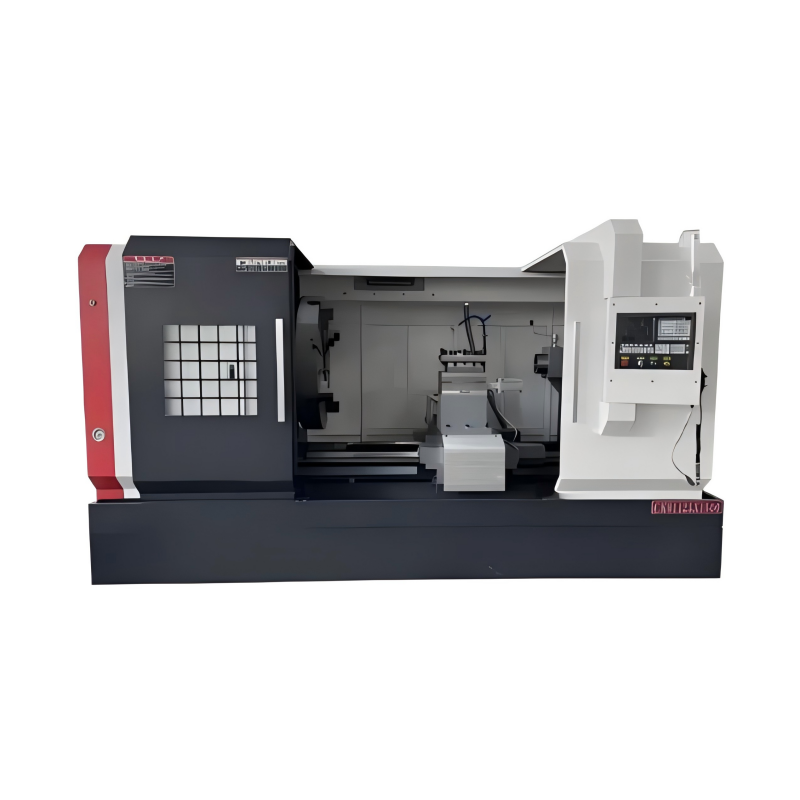
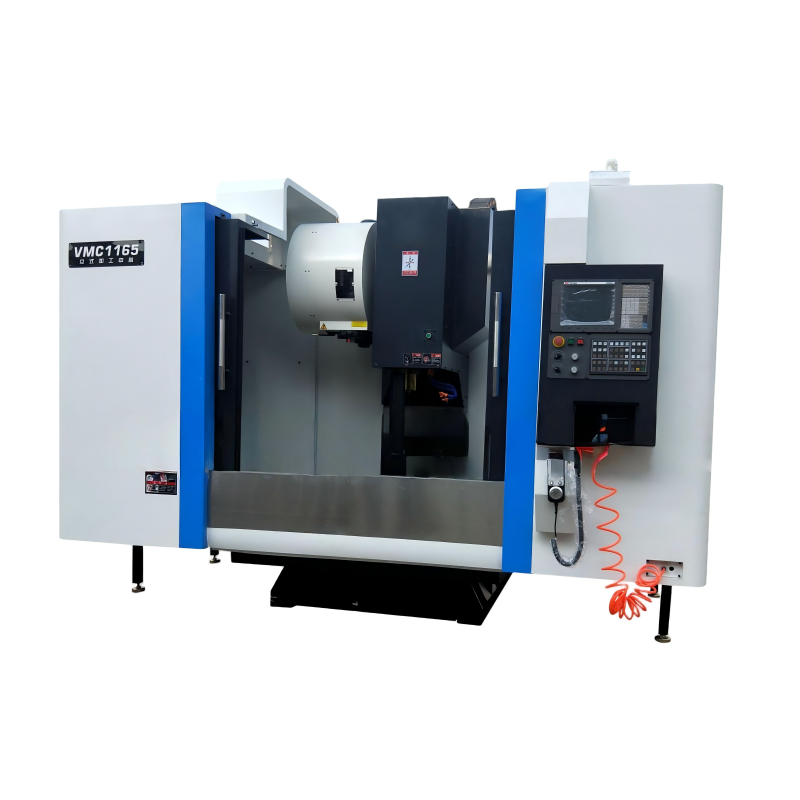
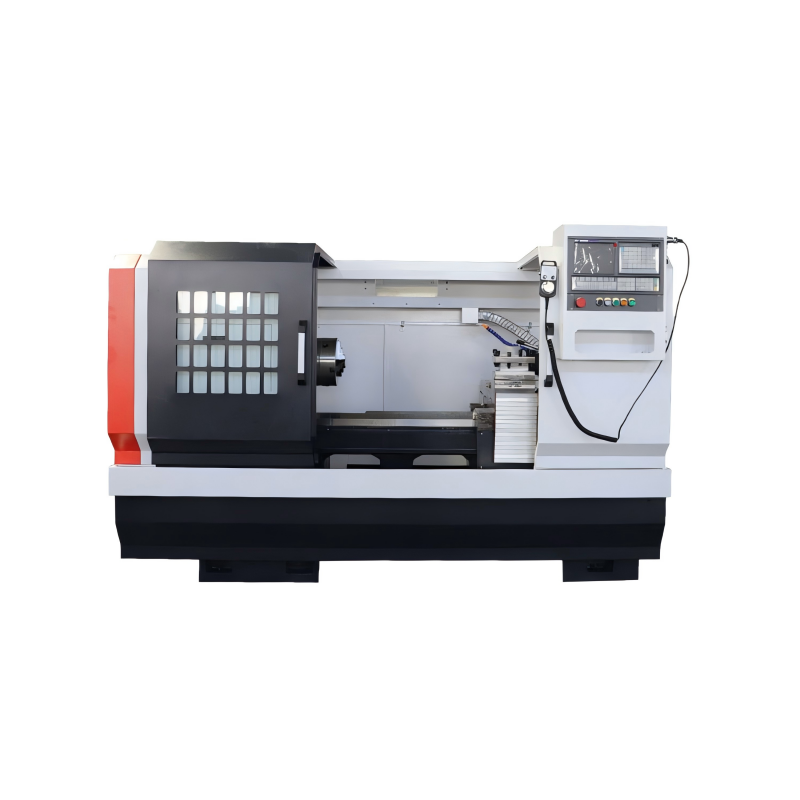
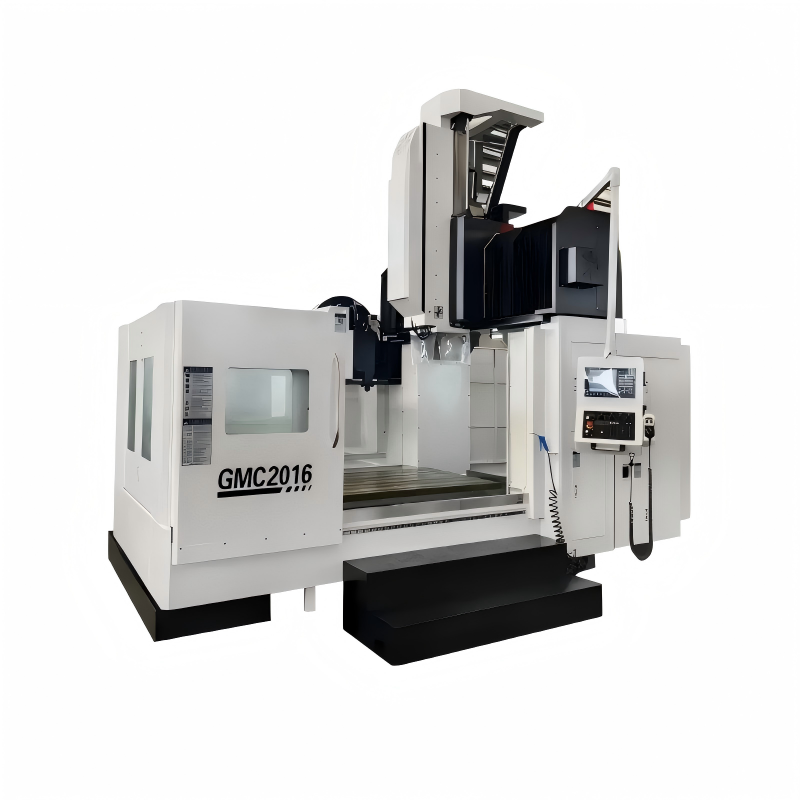
Custom lathe machines, when properly configured and utilized, can significantly enhance the efficiency of manufacturing processes. This report aims to explore how a custom lathe machine setup can be optimized for maximum efficiency, focusing on aspects such as design customization, integration with modern technologies, and maintenance strategies. By addressing these key areas, we aim to provide insights into achieving higher productivity, reduced downtime, and improved product quality in machining operations.
One of the most critical factors in maximizing the efficiency of a lathe machine is its design. A standard, off-the-shelf lathe may not fully meet the specific requirements of every production process. This is where the concept of a custom lathe machine comes into play. Customizing the lathe's design allows for adjustments according to the unique needs of the operation, such as the type of materials being processed, the desired level of precision, and the specific dimensions of the products. For instance, if a company specializes in producing small, intricate parts, they might require a lathe with a smaller spindle bore and a more precise feed mechanism. On the other hand, an operation that deals with larger, heavier components would benefit from a lathe designed with a robust structure capable of handling significant loads without compromising accuracy.
Moreover, the ability to integrate additional features or accessories, such as specialized tool holders, coolant systems, or even automated loading and unloading mechanisms, further enhances the machine’s versatility and adaptability. These customizations not only improve the machine's performance but also contribute to a safer working environment by reducing the need for manual intervention, thereby minimizing the risk of accidents.
In today’s rapidly evolving technological landscape, integrating advanced technologies into a custom lathe machine setup can greatly boost its operational efficiency. One such technology is Computer Numerical Control (CNC), which has revolutionized the way lathes operate. CNC Lathes use pre-programmed software to control the machine tools, allowing for highly accurate and repeatable machining processes. This automation not only increases speed and precision but also reduces the likelihood of human error, leading to consistent product quality and reduced waste.
Beyond CNC, incorporating Internet of Things (IoT) capabilities into a lathe machine can provide real-time monitoring and data analysis. Sensors embedded within the machine can track various parameters like temperature, vibration, and wear, enabling predictive maintenance. By predicting potential failures before they occur, manufacturers can schedule maintenance activities during planned downtimes, thus avoiding unexpected breakdowns and associated costs. Additionally, IoT-enabled lathes can communicate with other devices in the factory, facilitating seamless integration into smart manufacturing systems and promoting overall plant efficiency.
To ensure the continued high performance of a custom lathe machine, implementing effective maintenance strategies is essential. Regular maintenance helps in identifying and addressing issues early, preventing minor problems from escalating into major ones. A comprehensive maintenance plan should include both preventive and corrective measures. Preventive maintenance involves scheduled checks and servicing, while corrective maintenance addresses any faults or malfunctions that arise during operation.
Training staff on proper machine operation and maintenance procedures is another crucial aspect. Well-trained operators are better equipped to handle the machinery safely and efficiently, reducing the risk of damage due to improper use. Furthermore, educating employees about the importance of following maintenance schedules and recognizing signs of potential issues can empower them to take proactive steps, contributing to the longevity and reliability of the lathe machine.
Lastly, it is important to keep up with the latest advancements in lathe technology and consider upgrading components or systems as needed. Technological improvements can offer new ways to optimize performance, increase energy efficiency, and reduce environmental impact. By staying informed and making strategic upgrades, manufacturers can ensure their custom lathe machines remain at the forefront of industry standards, maintaining a competitive edge in the market.
In conclusion, a well-designed and thoughtfully implemented custom lathe machine setup can bring about significant improvements in manufacturing efficiency. Through careful design customization, leveraging modern technologies, and adopting robust maintenance practices, companies can achieve higher levels of productivity, enhanced product quality, and cost savings. As the manufacturing industry continues to evolve, embracing these strategies will be key to staying ahead and meeting the demands of an increasingly competitive global market.
 29/06/2026
In the ever-evolving landscape of manufacturing, the integration of advanced technologies has become a necessity to stay competitive. One such technology that has significantly transformed the machining industry is the Custom Lathe Machine. This report wi
Read More29/06/2026In the world of precision machining, a custom lathe machine is often the backbone of any manufacturing process. For those looking to invest in high-quality, reliable machinery, a Big Bore CNC Lathe from Chinese manufacturers can be an excellent choice. Th
Read More29/06/2026Custom Lathe Machines have become indispensable tools in modern manufacturing, offering unparalleled precision and versatility across a wide range of industries. This report delves into the various applications of custom lathe machines, highlighting their
Read More28/06/2026In the world of precision engineering, a custom lathe machine stands out as an indispensable tool for achieving high-quality production. This article delves into why such machines are essential, focusing on their versatility, precision, and adaptability t
Read More27/06/2026When it comes to the manufacturing industry, a custom lathe machine is an essential tool that can significantly impact the efficiency and quality of production. These machines are designed to meet specific requirements, offering versatility and precision
Read More27/06/2026Custom lathe machines play a crucial role in the manufacturing industry, offering unparalleled precision and versatility. These machines are designed to meet specific requirements, making them an indispensable asset for businesses looking to optimize thei
Read More27/06/2026In today's fast-paced manufacturing environment, the need for precision and efficiency is more critical than ever. Custom lathe machines have emerged as a powerful solution to meet these demands, offering unparalleled flexibility and performance. This rep
Read More27/06/2026Custom lathe machines represent a significant advancement in the field of machining, offering solutions that are precisely tailored to meet specific needs. These machines are designed with particular applications in mind, ensuring that they can perform ta
Read More26/06/2026In the realm of manufacturing, the custom lathe machine stands out as a versatile tool capable of producing a wide range of precision components. This technical report aims to provide a comprehensive overview of the features and capabilities that make cus
Read More26/06/2026In the realm of precision engineering, custom lathe machines have emerged as indispensable tools for manufacturing components with high accuracy and versatility. These machines, designed to meet specific requirements, offer a range of benefits that standa
Read More26/06/2026Custom lathe machines play an indispensable role in the manufacturing industry, enabling precise and efficient production of various components. These machines are designed to meet specific needs, providing solutions that standard models cannot. This repo
Read More25/06/2026In the ever-evolving landscape of manufacturing, precision is not just a goal; it's a necessity. The advent of advanced custom lathe machines has revolutionized the way we approach machining, offering unparalleled accuracy and versatility. This report del
Read More25/06/2026In today’s competitive manufacturing landscape, the quest for enhanced productivity and efficiency has led many companies to explore advanced solutions like custom lathe machine technology. These specialized machines offer a unique combination of precisio
Read More25/06/2026Understanding the Basics of Custom Lathe MachinesA custom lathe machine is a specialized piece of equipment designed to meet specific project requirements that go beyond the capabilities of standard lathes. These machines are often tailored for particular
Read More25/06/2026The manufacturing industry is continuously evolving, driven by the need for increased efficiency, precision, and customization. Among the many tools that have proven indispensable in this evolution, custom lathe machines stand out as a testament to human
Read More24/06/2026When it comes to selecting a Custom Lathe Machine, the process can be quite intricate and requires careful consideration of multiple factors. This guide aims to provide a comprehensive overview for anyone looking to invest in such machinery, ensuring that
Read More24/06/2026In today’s fast-paced manufacturing environment, the quest for efficiency and productivity is more critical than ever. Advanced Custom Lathe Machines have emerged as a key solution to meet these demands, offering unparalleled precision, flexibility, and s
Read More24/06/2026Understanding the intricacies of Custom Lathe Machine design is essential for anyone involved in manufacturing or engineering. These machines, tailored to specific needs, represent a blend of precision, versatility, and efficiency. This technical report a
Read More24/06/2026In the ever-evolving landscape of manufacturing, custom lathe machines have emerged as a game-changer, transforming the way industries approach precision machining. These machines, tailored to specific needs, offer unparalleled flexibility and efficiency,
Read More23/06/2026Lathe machines have been a cornerstone of manufacturing and engineering for centuries, evolving from simple hand-operated devices to the highly sophisticated, automated systems we see today. Among these, custom lathe machines stand out as solutions tailor
Read More23/06/2026In the ever-evolving landscape of manufacturing, the demand for precision and customization has never been higher. Custom lathe machines stand at the forefront of this revolution, offering unparalleled accuracy and versatility. This report delves into the
Read More23/06/2026In the rapidly evolving landscape of modern manufacturing, the role of custom lathe machines cannot be overstated. These sophisticated tools have become indispensable for producing components with high precision and efficiency. This report explores recent
Read MoreOur professional sales team is always ready to assist you.