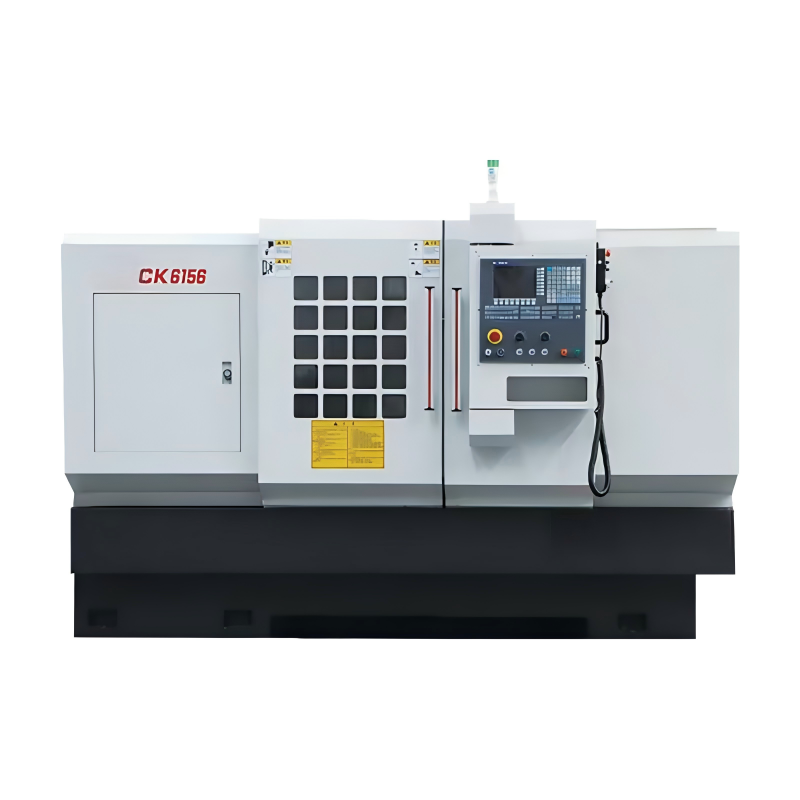
In the realm of machining, a conventional lathe stands as one of the most fundamental and versatile tools. It is used to shape metal, wood, or other materials by rotating them against cutting tools. The choice of a reliable Conventional Lathe Supplier is crucial for any workshop aiming to maintain high standards of productivity and quality. To ensure that you are making an informed decision, it’s important first to understand what makes a good conventional lathe. Key features to look out for include precision, durability, ease of use, and adaptability to different types of projects. Additionally, understanding how these lathes function, their components, and the principles behind their operation will aid in selecting a supplier who can provide the right machine for your specific needs.
One of the most critical steps in choosing a reliable Conventional Lathe Supplier is evaluating the reputation and expertise of potential suppliers. A reputable supplier not only offers quality products but also provides excellent customer service, technical support, and warranty coverage. Researching online reviews, testimonials, and case studies from existing customers can offer valuable insights into a supplier's reliability. Furthermore, checking if the supplier has industry certifications, such as ISO 9001, can be a strong indicator of their commitment to quality. Suppliers with a long-standing presence in the market and those who specialize in conventional lathes tend to have deeper knowledge and better resources to meet your requirements effectively. Engaging directly with the supplier through inquiries or visits to their facilities can further help in assessing their professionalism and capability to deliver on promises.
A wide product range and the availability of customization options are essential factors when considering a Conventional Lathe Supplier. Each workshop has unique needs, whether it’s related to the size of the parts being produced, the materials used, or the level of automation required. A supplier offering a broad selection of lathes, from manual to semi-automatic and fully automatic models, allows you to find the best fit for your operations. Moreover, the ability to customize machines according to specific requirements, such as adding specialized tool holders, modifying bed lengths, or integrating digital readouts, can significantly enhance the functionality and efficiency of your equipment. During your evaluation, ask about the supplier’s flexibility in accommodating custom orders and the lead times associated with such requests. This will give you a clear picture of how well they can tailor solutions to meet your particular demands.
While the initial cost of purchasing a conventional lathe is an important consideration, it is equally vital to think about the long-term value and overall cost-effectiveness of the investment. A reliable Conventional Lathe Supplier should offer competitive pricing without compromising on quality. However, the total cost of ownership (TCO) includes more than just the purchase price; it encompasses maintenance costs, energy consumption, and the cost of consumables. Opting for a supplier that provides comprehensive after-sales services, including regular maintenance, spare parts availability, and training, can reduce TCO over time. Additionally, consider the potential return on investment (ROI) by evaluating the productivity gains, reduced downtime, and improved part accuracy that a high-quality lathe can bring. By balancing upfront costs with long-term benefits, you can make a more informed and financially sound decision.
Safety and compliance with regulatory standards are non-negotiable aspects when selecting a Conventional Lathe Supplier. The machinery must adhere to local and international safety regulations to protect operators and ensure a safe working environment. Reliable suppliers will provide detailed information about the safety features of their lathes, such as emergency stop buttons, protective guards, and interlock systems. They should also be able to demonstrate compliance with relevant standards, such as OSHA (Occupational Safety and Health Administration) guidelines in the United States or similar bodies in other regions. Requesting documentation, such as safety data sheets and compliance certificates, can help verify that the supplier meets all necessary requirements. Prioritizing safety not only safeguards your workforce but also helps avoid potential legal and financial liabilities, ensuring smooth and uninterrupted operations.
 26/06/2026
In today's manufacturing landscape, the role of a Conventional Lathe Supplier is more critical than ever. As industries seek to optimize their production processes, the selection of the right machinery becomes a cornerstone for success. This report delves
Read More26/06/2026When it comes to the world of precision machining, selecting a Conventional Lathe Supplier that can provide not just equipment but also comprehensive support and innovative solutions is crucial. This technical report aims to explore what one should expect
Read More26/06/2026Understanding the Role of a Conventional Lathe in Modern ManufacturingIn today’s fast-paced manufacturing environment, the choice of machinery plays a critical role in determining the efficiency and productivity of an operation. Among the various types of
Read More25/06/2026In the world of manufacturing, selecting the right conventional lathe supplier is crucial for ensuring that your production processes run smoothly and efficiently. A conventional lathe is a fundamental tool in many machining operations, and choosing the b
Read More25/06/2026In the realm of manufacturing, selecting a conventional lathe supplier is a critical decision that can significantly impact production efficiency, product quality, and overall business success. A conventional lathe, being one of the fundamental tools in m
Read More25/06/2026In the realm of manufacturing, the conventional lathe remains a cornerstone tool for shaping and machining metal components. Its versatility and precision make it indispensable across various industries, from automotive to aerospace. However, the role of
Read More25/06/2026In the realm of manufacturing and machining, conventional lathes remain a cornerstone tool for precision work. As businesses seek to optimize their operations, choosing the right Conventional Lathe Supplier is crucial. This guide provides a detailed analy
Read More24/06/2026In the realm of manufacturing and machining, the choice of a conventional lathe supplier is a decision that can significantly impact the quality, efficiency, and cost-effectiveness of production processes. This report aims to highlight the importance of q
Read More24/06/2026When it comes to selecting a Conventional Lathe Supplier, the decision can significantly impact the efficiency, quality, and cost-effectiveness of your manufacturing processes. A conventional lathe is a versatile machine tool used for shaping metal, wood,
Read More24/06/2026In the world of manufacturing, the selection of a conventional lathe supplier is not just about finding a vendor but also about ensuring that the quality of the machines and the service provided meets or exceeds expectations. This report aims to explore w
Read More24/06/2026In the world of manufacturing, precision and reliability are paramount. One of the key tools that enable this is the conventional lathe, a machine that has been a staple in the industry for decades. Partnering with an experienced Conventional Lathe Suppli
Read More23/06/2026In the world of machining, finding the right conventional lathe supplier is crucial for ensuring that your operations run smoothly and efficiently. A conventional lathe is a fundamental tool in many manufacturing processes, and selecting the appropriate s
Read More23/06/2026Choosing the right conventional lathe supplier is a critical decision for any manufacturing or engineering company. The quality of lathes, as well as the support and service provided by the supplier, can significantly impact your production efficiency and
Read More23/06/2026In the rapidly evolving world of manufacturing, choosing a reliable conventional lathe supplier is more critical than ever. A conventional lathe is a fundamental tool in many industries, from automotive to aerospace, and its quality directly impacts the e
Read More23/06/2026Understanding the Importance of Conventional Lathes in Modern Workshops The conventional lathe, a machine that has been around for centuries, continues to play a vital role in modern workshops. Its ability to perform a wide range of operations, from turni
Read MoreOur professional sales team is always ready to assist you.