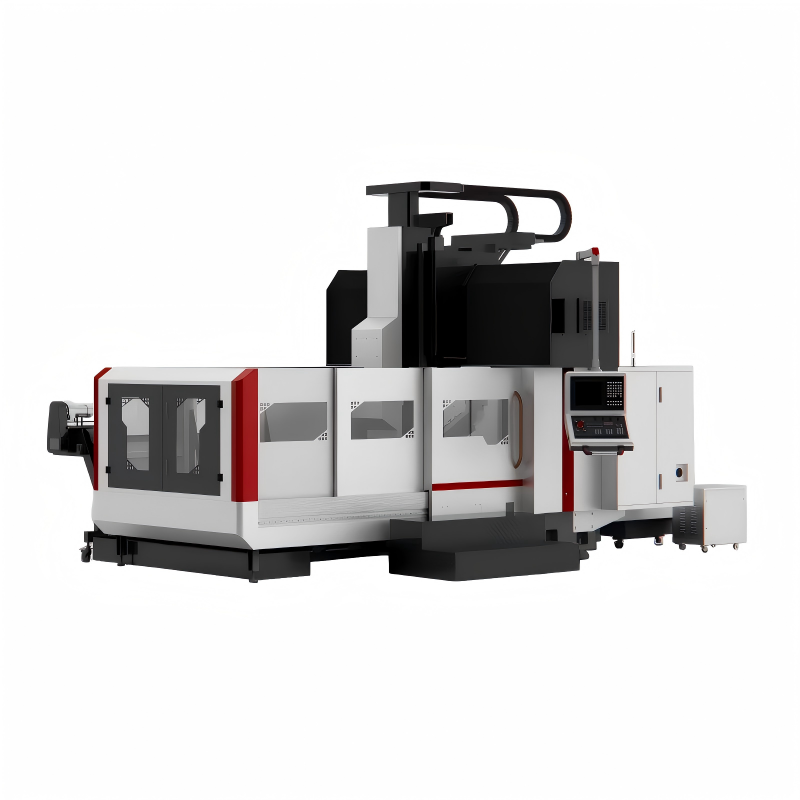
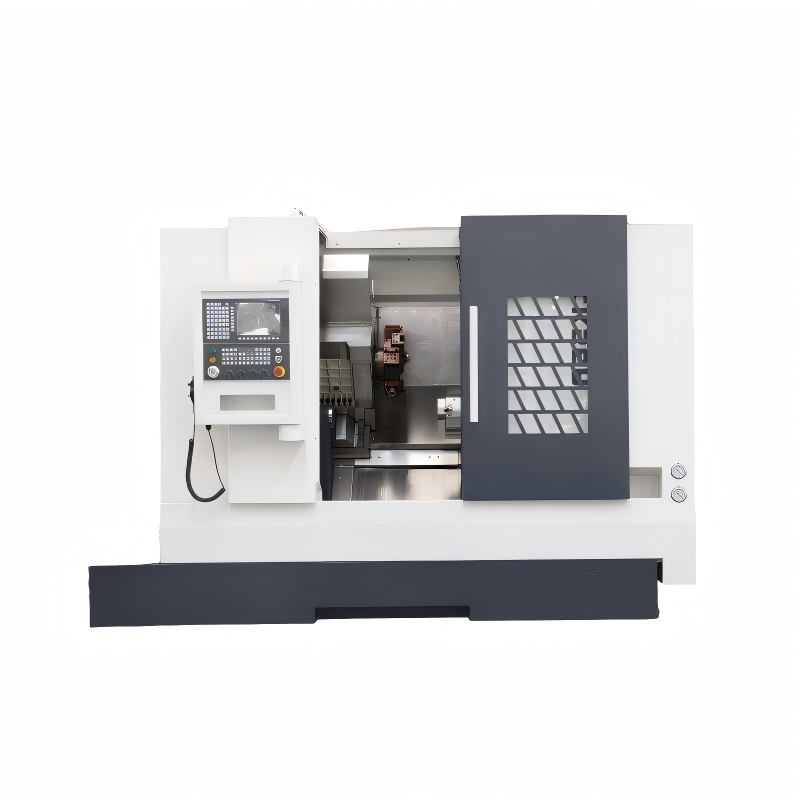
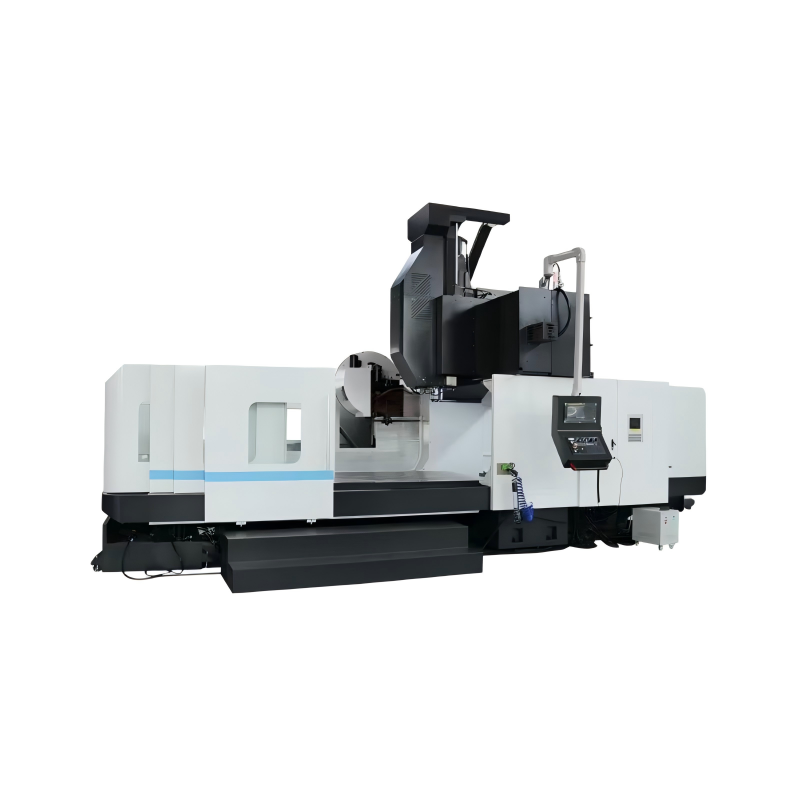
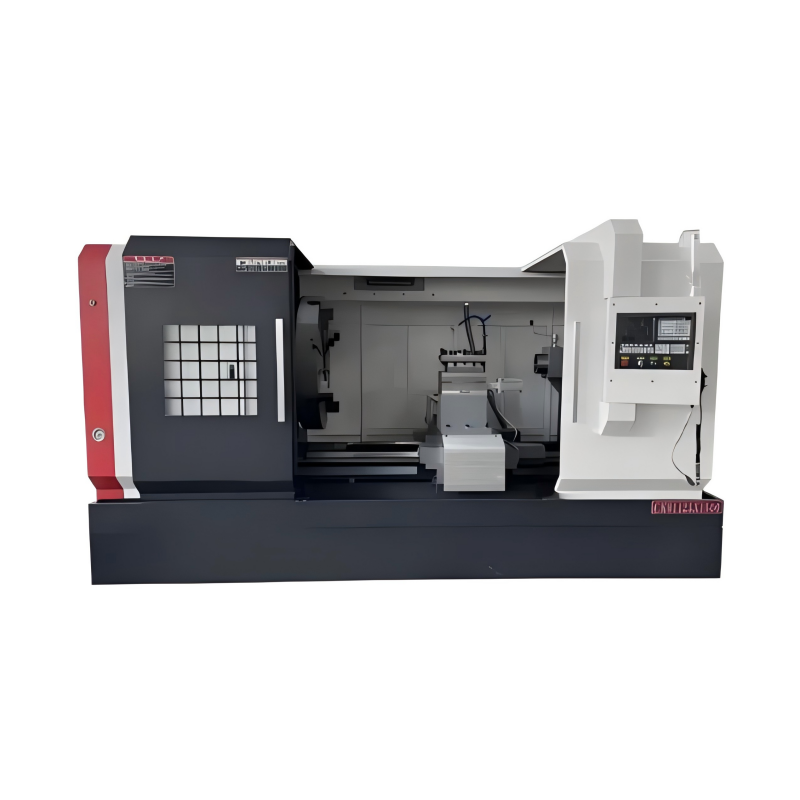
In the realm of metalworking, the introduction and continuous evolution of Computer Numerical Control (CNC) technology have marked a significant shift towards more efficient, precise, and versatile manufacturing processes. Among the various types of CNC machines available, the 2 Axis CNC Lathe stands out as a powerful tool for transforming raw materials into finished products with high precision and repeatability. This document aims to explore how the capabilities of a 2 Axis CNC Lathe are revolutionizing the field of metalworking, focusing on its operational principles, applications, and the benefits it brings to modern industrial settings.
The fundamental principle behind a 2 Axis CNC Lathe involves the use of two primary axes - the X-axis and Z-axis - to control the movement of the cutting tool relative to the workpiece. The X-axis controls the horizontal motion, while the Z-axis manages the longitudinal or front-to-back motion. This dual-axis system enables the machine to perform a wide range of operations, including turning, facing, drilling, and threading, with exceptional accuracy and consistency. By employing advanced computer-aided design (CAD) and computer-aided manufacturing (CAM) software, operators can program complex sequences of movements and tool changes, which the lathe executes with minimal human intervention, thereby enhancing productivity and reducing the likelihood of errors.
The versatility of 2 Axis CNC Lathes makes them indispensable across a broad spectrum of industries, from automotive and aerospace to medical devices and consumer goods. In the automotive sector, these lathes are used for producing components such as engine parts, gears, and shafts, where tight tolerances and smooth finishes are critical. Similarly, in aerospace, the demand for lightweight yet robust materials necessitates the use of 2 Axis CNC Lathes for crafting intricate parts that must withstand extreme conditions. Additionally, the medical industry benefits greatly from the precision and reliability of these machines, particularly in the manufacture of surgical instruments and implants, where even the slightest deviation can have serious consequences. The adaptability of 2 Axis CNC Lathes to different materials, including metals, plastics, and composites, further expands their application scope, making them a cornerstone of modern manufacturing.
One of the key advantages of utilizing 2 Axis CNC Lathes is the potential for significant cost savings. These machines minimize waste by optimizing material usage and reducing the need for secondary operations. Moreover, their ability to run continuously without frequent operator intervention leads to increased production rates and lower labor costs. From an environmental perspective, 2 Axis CNC Lathes contribute to sustainability efforts through energy-efficient operation and reduced material wastage. Modern CNC lathes often incorporate features such as regenerative braking and smart power management systems, which help to minimize energy consumption. Furthermore, the precision and consistency of the machining process reduce the number of defective parts, thereby decreasing the overall carbon footprint associated with rework and scrap disposal. As industries increasingly prioritize eco-friendly practices, the adoption of 2 Axis CNC Lathes represents a step towards more sustainable manufacturing solutions.
As we look to the future, the role of 2 Axis CNC Lathes in metalworking is expected to grow, driven by ongoing advancements in automation, robotics, and artificial intelligence. These technologies will further enhance the capabilities of CNC lathes, enabling even greater precision, speed, and flexibility. With the continued integration of Industry 4.0 concepts, such as the Internet of Things (IoT) and data analytics, manufacturers will be able to achieve unprecedented levels of efficiency and quality control. In conclusion, the 2 Axis CNC Lathe is not just a tool; it is a transformative force in the world of metalworking, poised to shape the future of manufacturing for years to come.
 25/06/2026
In the realm of precision manufacturing, the 2 Axis CNC Lathe stands out as a versatile and essential tool. Its capabilities make it indispensable for various industries, from automotive to aerospace. As technology advances, so too does the functionality
Read More25/06/2026With the rapid advancements in manufacturing technology, 2 Axis CNC Lathes have become a staple in many industries. These machines are known for their precision, efficiency, and versatility, making them an attractive option for both small and large-scale
Read More24/06/2026Understanding the Basics of 2 Axis CNC LatheA 2 Axis CNC (Computer Numerical Control) lathe is a machine tool designed to precisely cut metal, plastic, and other materials. It operates along two axes: X (horizontal movement) and Z (vertical movement). Thi
Read More24/06/2026Introduction to 2 Axis CNC Lathe InnovationsThe evolution of manufacturing technology has been marked by significant advancements, particularly in the realm of computer numerical control (CNC) machinery. Among these, the 2 axis CNC lathe stands out as a f
Read More24/06/2026Introduction to 2 Axis CNC Lathe Technology The 2 axis CNC lathe represents a significant advancement in machining technology, offering unparalleled precision and efficiency for both prototyping and small batch manufacturing. This type of machine is desig
Read More23/06/2026The advent of Computer Numerical Control (CNC) technology has revolutionized the manufacturing industry, significantly enhancing the precision, efficiency, and consistency of machining processes. Among the various CNC machines, the 2 Axis CNC Lathe stands
Read More23/06/2026In the realm of precision machining, a 2 Axis CNC Lathe stands out as an essential tool for producing high-quality parts with exceptional accuracy. This type of lathe is widely used in various industries, from automotive to aerospace, due to its ability t
Read More23/06/2026When it comes to enhancing the precision and efficiency of your workshop, a 2 Axis CNC Lathe is an indispensable tool. This comprehensive guide will help you navigate through the complexities of selecting the right 2 Axis CNC Lathe for your specific needs
Read More22/06/2026In the realm of manufacturing, the advent of 2 Axis CNC Lathes has marked a significant turning point, especially for small-scale production. These machines, which stand out due to their precision and efficiency, are transforming how businesses approach t
Read More22/06/2026The advent of 2 Axis CNC Lathe technology has revolutionized the manufacturing industry, offering unparalleled precision and efficiency in the production of cylindrical parts. This report delves into the fundamentals of 2 Axis CNC Lathes, their advantages
Read More22/06/2026The advent of 2 Axis CNC Lathe technology has revolutionized the manufacturing industry, offering unparalleled precision and efficiency. This report delves into the intricacies of 2 Axis CNC Lathes, exploring their capabilities, applications, and the adva
Read MoreOur professional sales team is always ready to assist you.