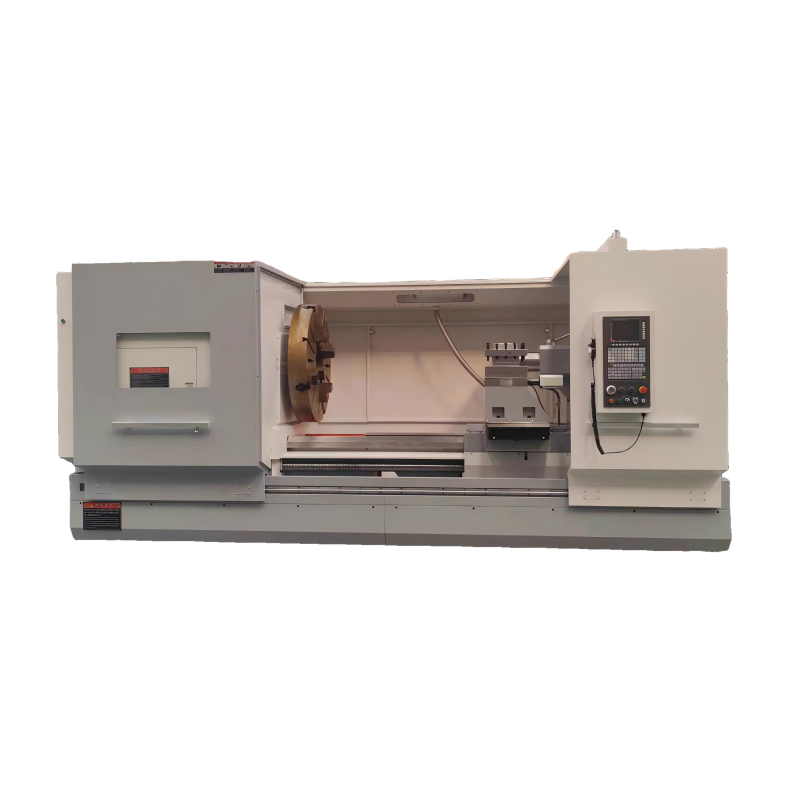
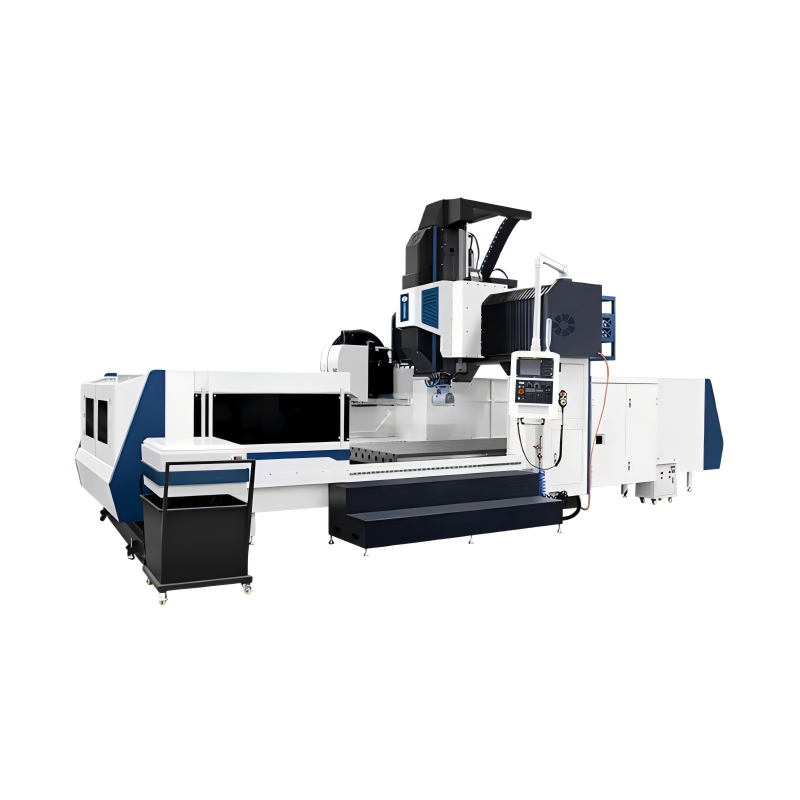
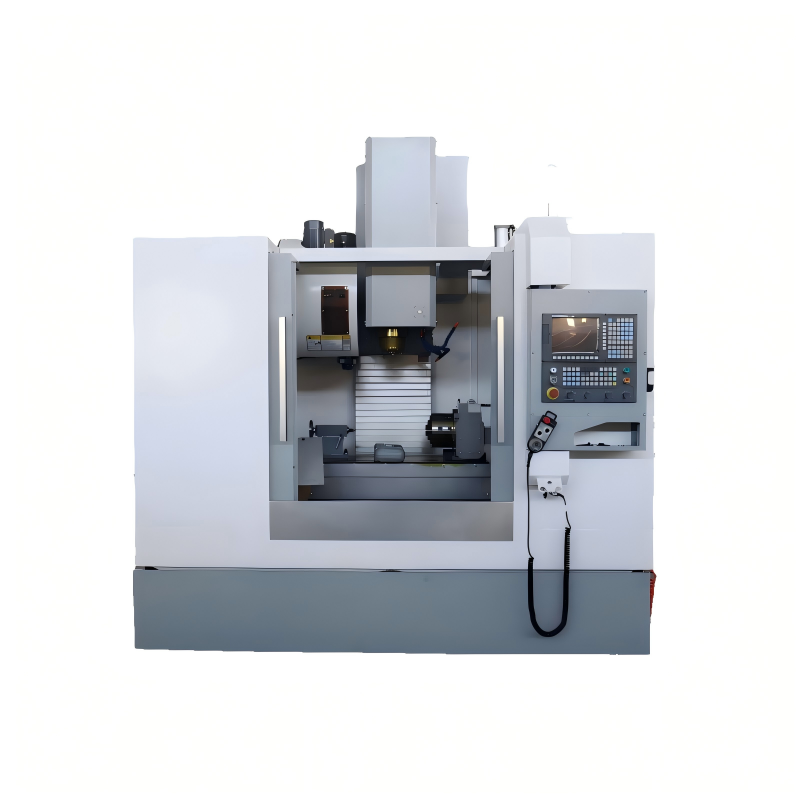
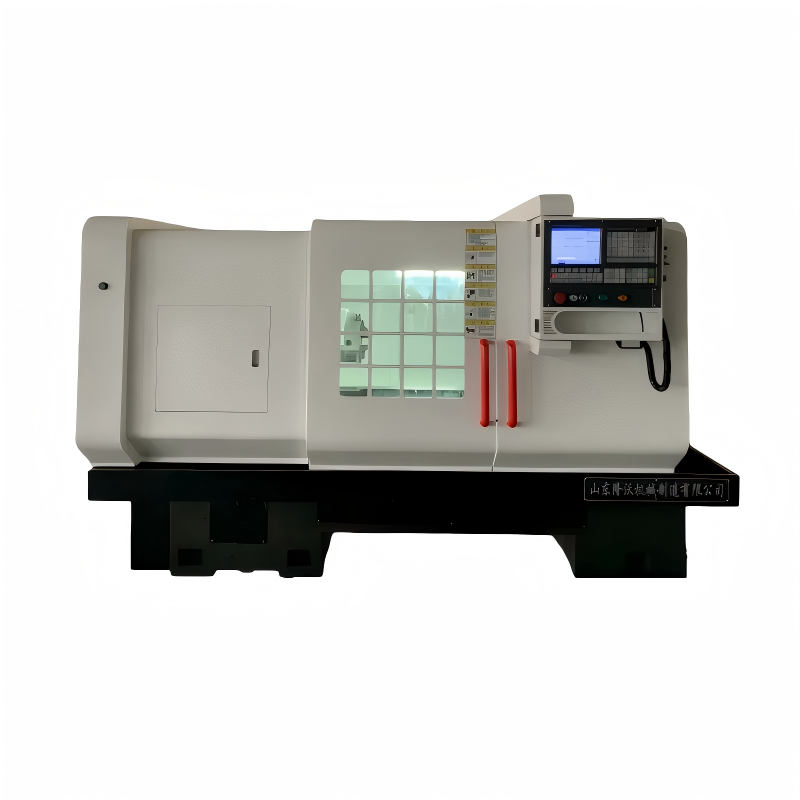
In the realm of automotive manufacturing, the introduction and continuous evolution of technologies like the 2-Axis CNC Turning Center have significantly transformed production processes. These advanced machines play a crucial role in shaping the efficiency, precision, and overall quality of components used in the automotive industry. This report delves into the various aspects of how 2-Axis CNC Turning Centers contribute to the automotive manufacturing landscape.
One of the most significant advantages of 2-Axis CNC Turning Centers is their ability to achieve high levels of precision and consistency. In automotive manufacturing, where even the slightest deviation can lead to part failure or safety issues, this level of accuracy is paramount. The 2-Axis CNC Turning Center uses computer-aided design (CAD) and computer-aided manufacturing (CAM) software to program the machine's movements, ensuring that each part is machined to exact specifications. This not only reduces the margin for error but also ensures that every component produced meets the stringent quality standards required by the automotive industry.
Moreover, the repeatability of these machines means that once a part is programmed, it can be reproduced with the same level of precision, no matter how many times it is manufactured. This consistency is particularly important in large-scale production, where maintaining uniformity across thousands of parts is essential for the assembly process and the final product's performance.
The 2-Axis CNC Turning Center also plays a vital role in increasing production efficiency in automotive manufacturing. Traditional manual turning methods are time-consuming and labor-intensive, often leading to bottlenecks in the production line. In contrast, a 2-Axis CNC Turning Center can operate continuously, with minimal human intervention, thereby reducing the time required to produce each part. The automation of the machining process allows for faster cycle times, enabling manufacturers to meet tight deadlines and increase their output without compromising on quality.
Additionally, the 2-Axis CNC Turning Center can handle a wide range of materials, including steel, aluminum, and other alloys commonly used in the automotive industry. This versatility means that a single machine can be used for multiple operations, reducing the need for additional equipment and further streamlining the production process. The ability to switch between different materials and operations with ease also contributes to the overall efficiency of the manufacturing line.
Another key benefit of 2-Axis CNC Turning Centers is their cost-effectiveness and resource optimization. By automating the machining process, these machines reduce the need for skilled labor, which can be both expensive and difficult to find. The reduction in labor costs, combined with the increased speed and efficiency of the 2-Axis CNC Turning Center, results in lower overall production costs. This cost savings can be passed on to consumers, making the end products more competitive in the market.
Furthermore, the 2-Axis CNC Turning Center optimizes the use of raw materials. The precise control over the machining process minimizes material waste, as the machine can be programmed to make the most efficient cuts and shapes. This not only reduces the cost of raw materials but also has environmental benefits, as less waste is generated. The ability to reuse and recycle scrap material further enhances the sustainability of the manufacturing process.
The 2-Axis CNC Turning Center offers a high degree of flexibility and adaptability, which is essential in the ever-evolving automotive industry. As new designs and materials are introduced, the ability to quickly reprogram and adjust the machining process is critical. The 2-Axis CNC Turning Center can be easily reconfigured to accommodate changes in part design, allowing manufacturers to respond rapidly to market demands and technological advancements.
This flexibility extends to the types of operations that can be performed. A 2-Axis CNC Turning Center can perform a variety of tasks, including turning, facing, grooving, and threading, all within a single setup. This multifunctionality reduces the need for multiple machines and setups, simplifying the production process and reducing the risk of errors that can occur during part transfer between different machines.
The 2-Axis CNC Turning Center is not only a standalone machine but also an integral part of a larger, interconnected manufacturing system. It can be seamlessly integrated with other advanced technologies, such as robotics, artificial intelligence (AI), and the Internet of Things (IoT). For example, robotic arms can be used to load and unload parts, while AI algorithms can optimize the machining parameters in real-time based on sensor data. This integration enhances the overall efficiency and productivity of the manufacturing process, creating a smart, connected factory environment.
Furthermore, the 2-Axis CNC Turning Center can be equipped with sensors and monitoring systems that provide real-time data on the machine's performance and the quality of the parts being produced. This data can be analyzed to identify trends, predict maintenance needs, and improve the overall reliability of the machine. The integration of these advanced technologies not only improves the current manufacturing process but also paves the way for future innovations and improvements.
In conclusion, the 2-Axis CNC Turning Center is a pivotal technology in the automotive manufacturing industry. Its ability to deliver high precision, enhance production efficiency, reduce costs, and offer flexibility and adaptability makes it an indispensable tool for modern manufacturers. As the automotive industry continues to evolve, the 2-Axis CNC Turning Center will remain a key enabler of innovation and progress, driving the industry forward and ensuring the continued success of automotive manufacturers.
 25/06/2026
In the ever-evolving landscape of modern manufacturing, the 2-Axis CNC Turning Center has emerged as a pivotal tool for precision and efficiency. This technical report delves into the critical role that 2-Axis CNC Turning Centers play in contemporary manu
Read More25/06/2026Understanding the Core Components of a 2-Axis CNC Turning Center A 2-Axis CNC (Computer Numerical Control) turning center is a highly specialized machine designed for precision machining. It operates on two axes, typically the X-axis and Z-axis, enabling
Read More25/06/2026When it comes to precision machining, the 2-Axis CNC Turning Center is a cornerstone of modern manufacturing. These machines are designed to provide high-precision and efficient turning operations, making them indispensable in various industries. However,
Read More24/06/2026Choosing the right 2-Axis CNC Turning Center for your specific needs can be a daunting task, especially with the plethora of options available on the market. A 2-Axis CNC Turning Center is a critical piece of equipment in many manufacturing and engineerin
Read More24/06/2026In the modern manufacturing landscape, 2-Axis CNC Turning Centers have become indispensable tools for achieving high-volume production with precision and efficiency. These machines are designed to handle a wide range of materials and can produce complex p
Read More24/06/2026In the realm of precision manufacturing, the role of 2-Axis CNC Turning Centers cannot be overstated. These advanced machines are pivotal in producing high-accuracy components for a wide range of industries, from automotive to aerospace. This report delve
Read More24/06/2026The evolution of manufacturing technology has led to the development of advanced machinery that can produce high-precision parts with minimal human intervention. One such machine is the 2-Axis CNC Turning Center, which plays a crucial role in modern manuf
Read More23/06/2026In the realm of modern manufacturing, precision and efficiency are paramount. A 2-Axis CNC Turning Center is a critical tool that allows manufacturers to achieve these goals with unparalleled accuracy. This technical report delves into the intricacies of
Read More23/06/2026In the realm of precision machining, the 2-Axis CNC Turning Center stands out as a versatile and efficient solution for a wide range of manufacturing applications. This technology has revolutionized the way parts are produced, offering numerous advantages
Read More23/06/2026The manufacturing industry has witnessed a remarkable transformation over the past few decades, with advancements in technology playing a pivotal role. One such technological marvel that has significantly impacted the sector is the 2-Axis CNC Turning Cent
Read More23/06/2026Understanding the Basics of 2-Axis CNC Turning CentersThe advent of Computer Numerical Control (CNC) technology has revolutionized the manufacturing industry, enabling greater precision, efficiency, and flexibility in production processes. Among the vario
Read More22/06/2026In the world of precision manufacturing, the 2-Axis CNC Turning Center stands out as a versatile and indispensable tool. This technology has revolutionized the production processes for many industries, offering an efficient and accurate method to shape ma
Read More22/06/2026In the realm of precision machining, the 2-Axis CNC Turning Center stands out as a powerful tool for enhancing productivity and efficiency. This report delves into the capabilities, advantages, and applications of the 2-Axis CNC Turning Center, providing
Read More22/06/2026Introduction to 2-Axis CNC Turning CentersA 2-Axis CNC (Computer Numerical Control) turning center is a type of machine tool used for shaping metal, plastic, and other materials. This device operates along two axes, the X-axis and the Z-axis, which are cr
Read More22/06/2026In the realm of precision machining, 2-Axis CNC Turning Centers stand out as versatile and efficient tools for producing high-quality parts. This report delves into the capabilities of these machines, exploring their advantages, applications, and the tech
Read MoreOur professional sales team is always ready to assist you.