Understanding the Core Components of a 2-Axis CNC Turning Center
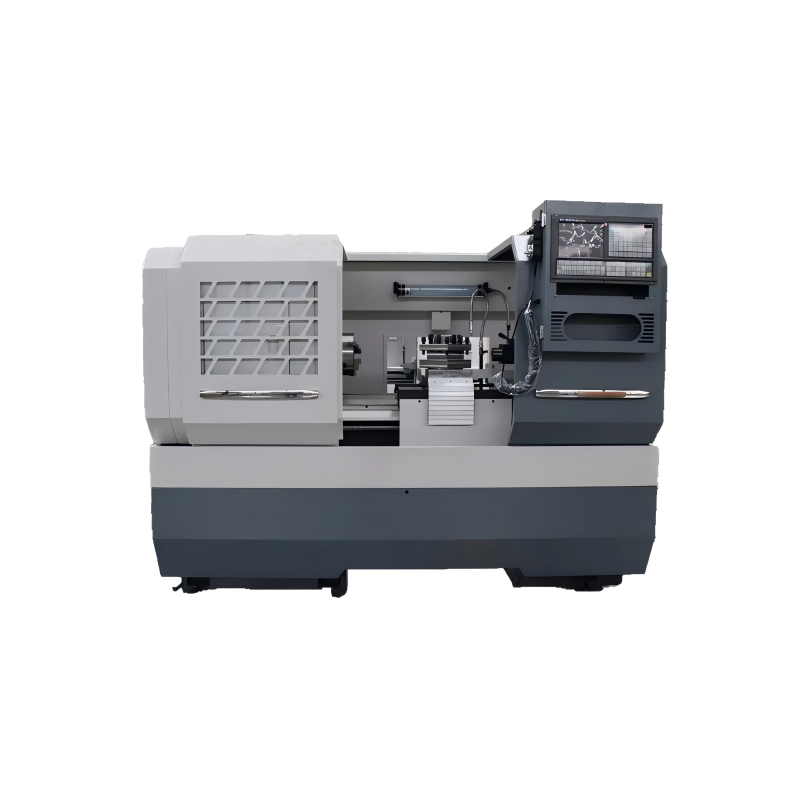
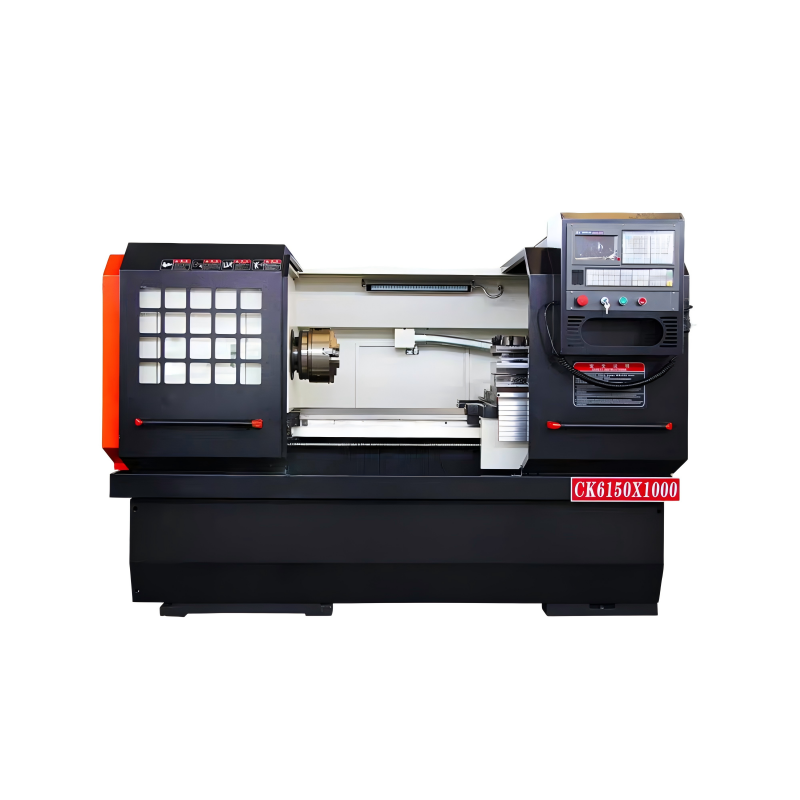
A 2-Axis CNC (Computer Numerical Control) turning center is a highly specialized machine designed for precision machining. It operates on two axes, typically the X-axis and Z-axis, enabling it to perform complex operations with high accuracy. The core components of a 2-Axis CNC Turning Center include the spindle, tool turret, and control system. The spindle holds the workpiece and rotates it, while the tool turret houses multiple cutting tools that can be automatically indexed. The control system, often a computer, manages the entire operation, ensuring precise and repeatable results. Understanding these components is crucial for effective maintenance.
Regular Maintenance Schedules for Optimal Performance
Maintaining a 2-Axis CNC turning center requires a systematic approach to ensure its longevity and optimal performance. A regular maintenance schedule should include daily, weekly, monthly, and annual checks. Daily checks involve inspecting the machine for any visible signs of wear or damage, such as loose bolts or worn belts. Weekly tasks may include cleaning the machine, lubricating moving parts, and checking the coolant levels. Monthly maintenance should focus on more detailed inspections, such as checking the alignment of the spindle and the condition of the cutting tools. Annual maintenance is an opportunity for a comprehensive overhaul, including replacing worn parts, recalibrating the control system, and conducting a thorough inspection of all components. Adhering to this schedule will help prevent unexpected downtime and ensure consistent performance.
Importance of Proper Lubrication and Coolant Management
Proper lubrication and coolant management are essential for the efficient operation of a 2-Axis CNC turning center. Lubrication reduces friction between moving parts, preventing wear and tear and extending the life of the machine. Regularly check and top up the lubrication points, and ensure that the lubricants used are appropriate for the specific components. Coolant, on the other hand, is crucial for maintaining the temperature of the workpiece and cutting tools during operation. It also helps in removing chips and debris, which can otherwise cause damage. Ensure that the coolant system is clean and free from contaminants, and regularly check the concentration and pH levels of the coolant. Proper management of both lubrication and coolant will not only improve the machine's performance but also contribute to a safer working environment.
Diagnostic Tools and Software for Advanced Maintenance
Modern 2-Axis CNC turning centers are equipped with advanced diagnostic tools and software that can significantly enhance the maintenance process. These tools provide real-time data on the machine's performance, allowing operators to identify potential issues before they become critical. For example, vibration analysis can detect imbalances in the spindle, while thermal imaging can identify hot spots that may indicate excessive wear. Additionally, many CNC machines come with built-in diagnostic software that can perform self-checks and generate reports on the health of the machine. Utilizing these tools and software can help in predictive maintenance, reducing the likelihood of unexpected breakdowns and minimizing downtime. Training operators to use these diagnostic tools effectively is also a key aspect of maintaining a 2-Axis CNC turning center.
Training and Documentation for Effective Maintenance
Effective maintenance of a 2-Axis CNC turning center relies heavily on well-trained operators and comprehensive documentation. Operators should be trained not only on the basic operation of the machine but also on the specific maintenance procedures and safety protocols. This includes understanding the importance of regular maintenance, how to perform routine checks, and how to use diagnostic tools. Comprehensive documentation, such as user manuals, maintenance logs, and troubleshooting guides, should be readily available and easily accessible. These documents serve as a reference for operators and can be invaluable in diagnosing and resolving issues. Regular training sessions and updates to the documentation will ensure that operators are always up-to-date with the latest maintenance practices and technologies.
 25/06/2026



